MP CM Yadav meets Solicitor General over OBC quota verdict, Supreme Court challenge planned
Synopsis
A Madhya Pradesh High Court ruling has struck down the state's 27% OBC reservation — a quota introduced by the Congress in 2019 — and now both the ruling BJP and the opposition Congress are racing to challenge it in the Supreme Court. CM Mohan Yadav's direct meeting with the Solicitor General signals this is no routine legal skirmish: the verdict affects thousands of pending appointments and the political identity of every major party in the state.
Key Takeaways
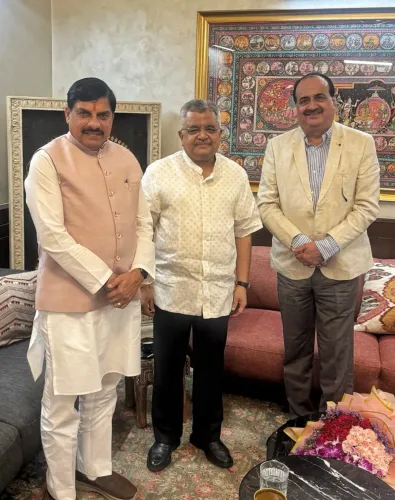
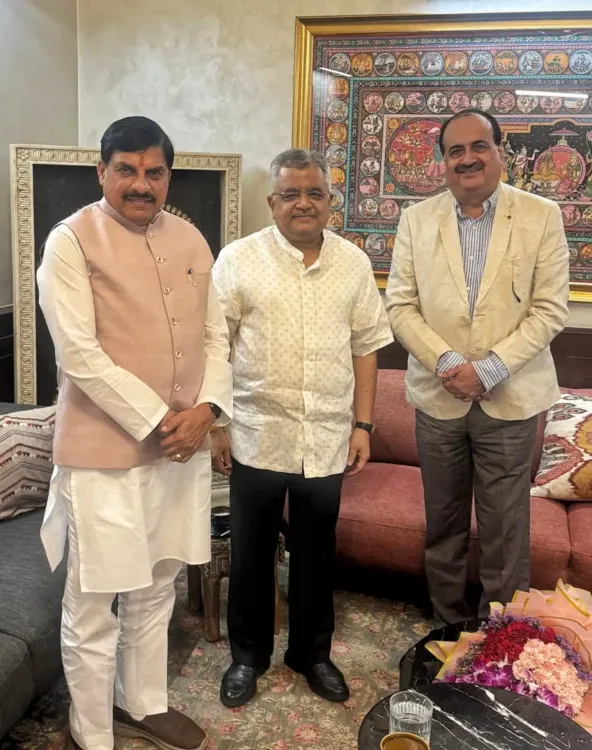
CM Mohan Yadav met Solicitor General Tushar Mehta and Advocate General Prashant Singh in New Delhi on 13 October to plan a Supreme Court challenge.
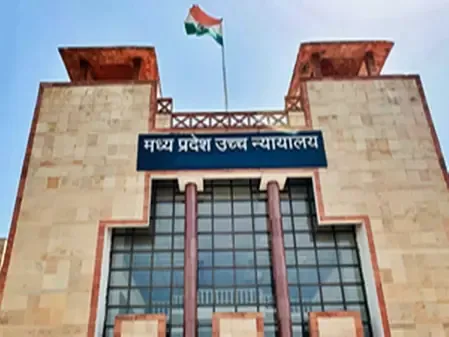
The Madhya Pradesh High Court struck down the 27 per cent OBC reservation in a 159-page order on 9 October , ruling it unjustified.
The enhanced quota was introduced by the Congress government under Kamal Nath in 2019 and triggered more than 90 petitions over seven years.
Appointments under the 87:13 formula — frozen since 29 September 2022 — are now directed to be filled from the unreserved category.
Both the BJP state government and Congress president Jitu Patwari have separately announced plans to approach the Supreme Court .
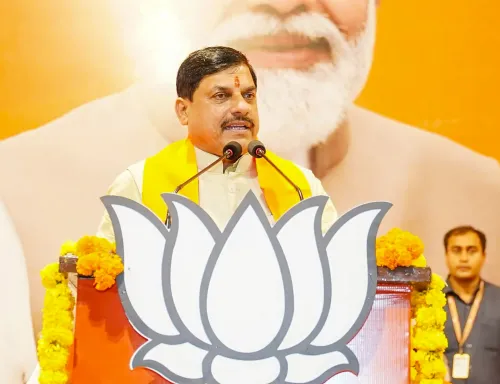
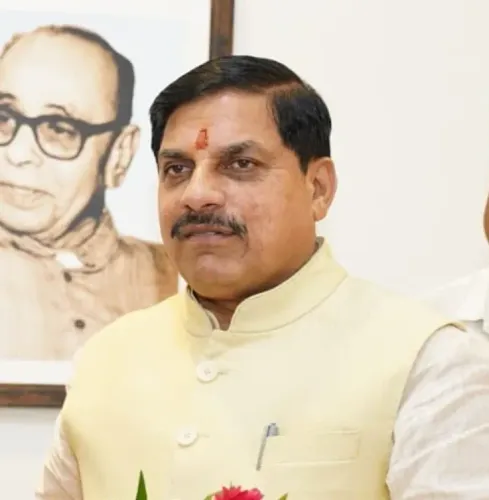
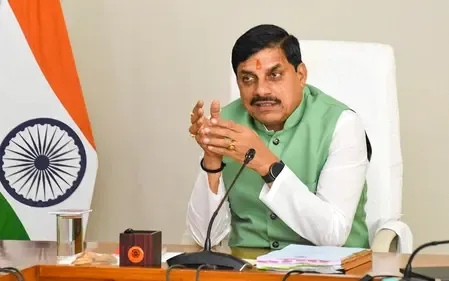
Madhya Pradesh Chief Minister Mohan Yadav on Tuesday, 13 October met Solicitor General of India Tushar Mehta and state Advocate General Prashant Singh in New Delhi to deliberate on the legal fallout of a High Court ruling that struck down 27 per cent OBC reservation in government jobs and higher education in the state. The meeting signals the Bharatiya Janata Party (BJP)-led state government's intent to mount a challenge before the Supreme Court.
What the Meeting Covered
According to Chief Minister Yadav, the discussion centred on a detailed examination of the High Court's judgment and mapping out a legal strategy for subsequent proceedings. CM Yadav confirmed the meeting in a post on X, writing: 'I held a detailed discussion with India's Solicitor General, Shri Tushar Mehta, and the State's Advocate General, Shri Prashant Singh, regarding the legal aspects of the Hon'ble High Court's verdict on OBC reservation and the strategy for future legal proceedings.'
The High Court Verdict Explained
The Madhya Pradesh High Court, in a 159-page order dated 9 October, ruled that the cases before it did not justify raising OBC reservation in government recruitment and higher education from the existing 14 per cent to 27 per cent. The enhanced quota had originally been introduced by the then Indian National Congress (Congress) government under Chief Minister Kamal Nath in 2019, setting off prolonged litigation over its constitutional validity. The verdict resolved a seven-year legal dispute involving more than 90 petitions.
The court's order also addressed the limbo surrounding recruitment under the disputed 87:13 formula, under which 13 per cent of posts had remained unfilled since 29 September 2022. Recruitment agencies were directed to complete appointments against these posts by filling them with candidates from the unreserved category.
Political Reactions and Positioning
The ruling has reignited a politically charged debate in Madhya Pradesh, where both the BJP and Congress have sought to present themselves as protectors of Other Backward Classes (OBC) interests. State Panchayati Raj and Rural Development Minister Prahlad Patel had earlier indicated the government would approach the Supreme Court after studying the High Court's detailed order, adding that the state would 'present its case firmly and continue its legal fight responsibly.'
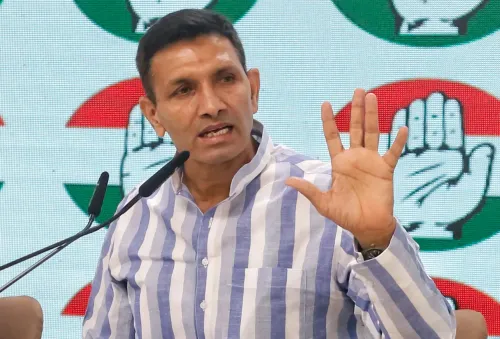
State Congress president Jitu Patwari also announced his party's intention to challenge the verdict in the apex court, saying it would 'fight to protect the interests of the OBC community.' This sets the stage for a rare situation where both the ruling party and the principal opposition may independently petition the Supreme Court on the same issue.
What Happens Next
With both the state government and the Congress preparing separate Supreme Court petitions, the legal contest over OBC reservation in Madhya Pradesh is far from settled. The outcome will have direct consequences for thousands of aspirants whose appointments remain in limbo, as well as broader implications for how states calibrate reservation beyond the constitutionally validated ceiling. A Supreme Court bench is expected to be approached in the coming weeks, and any interim stay on the High Court order could once again freeze the recruitment process pending final adjudication.
Frequently Asked Questions
What did the Madhya Pradesh High Court rule on OBC reservation?
The Madhya Pradesh High Court, in a 159-page order on 9 October, struck down the state's 27 per cent OBC reservation in government jobs and higher education, holding that the cases before it did not justify raising the quota from the existing 14 per cent. The verdict resolved a seven-year legal dispute involving more than 90 petitions.
Why did CM Mohan Yadav meet the Solicitor General?
Chief Minister Mohan Yadav met Solicitor General of India Tushar Mehta and state Advocate General Prashant Singh on 13 October to examine the High Court's judgment and formulate a legal strategy for challenging the verdict in the Supreme Court. The BJP-led Madhya Pradesh government has signalled it will contest the ruling at the apex court.
Who introduced the 27 per cent OBC quota in Madhya Pradesh?
The 27 per cent OBC reservation was introduced by the then Congress government led by Chief Minister Kamal Nath in 2019. It replaced the earlier 14 per cent quota and triggered prolonged litigation over its constitutional validity, culminating in the High Court's October 2024 verdict.
What happens to the recruitment posts that were on hold?
The High Court directed recruitment agencies to fill the 13 per cent of posts that had been frozen under the disputed 87:13 formula since 29 September 2022 by drawing candidates from the unreserved category. However, a Supreme Court challenge by either party could result in a fresh stay on this directive.
Is the Congress also challenging the verdict?
Yes. State Congress president Jitu Patwari announced that the Congress would independently approach the Supreme Court to challenge the High Court's verdict, saying the party would fight to protect OBC interests. Both the ruling BJP government and the Congress are thus expected to file separate petitions at the apex court.