MP govt deploying barricades at 16 Bhopal entry points to block farmers: Congress
Synopsis
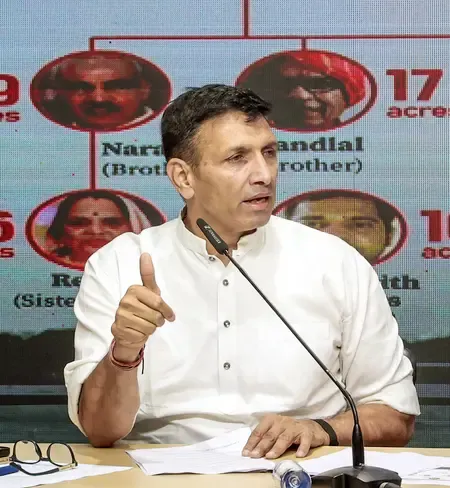
Congress's Madhya Pradesh chief Jitu Patwari has accused the state government of preparing a Delhi-style barricade operation at 16 Bhopal entry points to stop farmers from marching in — even as the Indore division faces a nearly 33% rainfall deficit and irrigation projects lag years behind schedule. The allegation puts the BJP-led state government on the defensive over its handling of rural distress ahead of what could be a significant farmer mobilisation.
Key Takeaways
Jitu Patwari , Madhya Pradesh Congress president, alleged on 5 October 2026 that the state government planned barricades at 16 entry and exit points of Bhopal to block incoming farmers.
The alleged security plan includes concrete blocks, containers, barbed wire, temporary barricades, and containment zones — reportedly modelled on Delhi farmers' agitation arrangements.
Madhya Pradesh received 908.4 mm of rainfall between June–September against a normal of 949.5 mm ; the Indore division faced a deficit of nearly 33 per cent .
Patwari flagged damaged canals of the Sanjay Sarovar Project and a November 2027 deadline for Pench Diversion Project water supply as signs of government neglect.
Congress demands include crop-loss surveys in 30 districts , MSP implementation, transformer replacements within 48 hours , and 10–12 hours of three-phase power for agricultural feeders.
The state government had not officially responded to the allegations at the time of reporting.
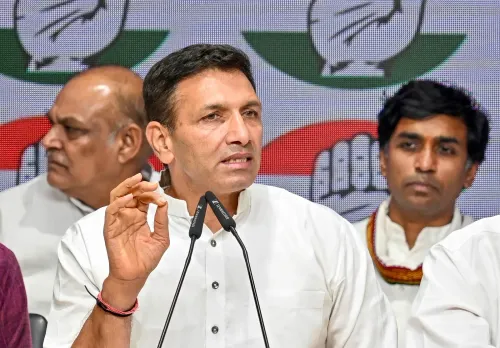
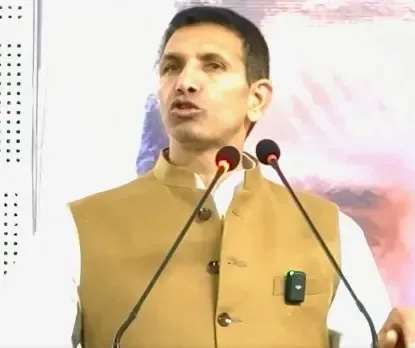
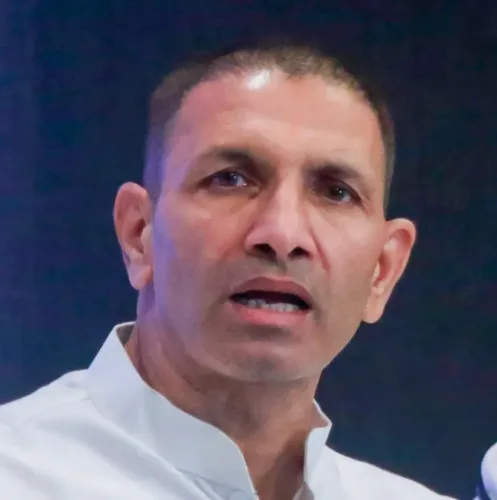
Madhya Pradesh Congress president Jitu Patwari on Monday, 5 October 2026, alleged that the state government was preparing to physically block farmers from entering Bhopal by erecting barricades and security infrastructure at 16 major entry and exit points of the state capital, rather than engaging with their grievances. Patwari claimed the administration had drawn lessons from the Delhi farmers' agitation and was planning to deploy concrete blocks, containers, barbed wire, temporary barricades, and containment zones.
What Congress Alleged
According to Patwari, the Madhya Pradesh government had studied the arrangements used during the farmers' protest in Delhi and was replicating a similar containment strategy at key access points into Bhopal. He said the government should instead establish 16 divisional-level farmer solution centres — one for each entry point being barricaded. 'Instead of putting up barricades at 16 entry points, the government should establish 16 divisional-level farmer solution centres,' he said. He added that when farmers arrive at the capital with their problems, the government's duty is to listen, not to devise strategies to stop them.
Rainfall Deficit and Agrarian Distress
Patwari cited official data to underscore the scale of the agrarian crisis. He said Madhya Pradesh received 908.4 mm of rainfall between 1 June and 30 September against the seasonal normal of 949.5 mm. Western Madhya Pradesh recorded roughly 11 per cent less rainfall than normal. The Indore division faced a sharper shortfall, receiving 639.70 mm against its normal average of 952.20 mm — a deficit of nearly 33 per cent. The Congress leader said the rainfall shortfall had hit crops, and the Agriculture Department was reportedly preparing a contingency plan in response.
Irrigation and Power Failures
Beyond rainfall, Patwari raised concerns about crumbling irrigation infrastructure. He claimed the nearly 40-year-old unlined canals of the Sanjay Sarovar Project were damaged and no longer functional. He also flagged that water supply to tail-end areas of the Pench Diversion Project had been given a deadline of November 2027. 'Farmers need water today, but the government is giving them a date in 2027. This is the height of insensitivity towards farmers,' he said. Power shortages affecting agricultural feeders were also cited as a major concern.
Congress Demands
Patwari laid out a set of specific demands on behalf of the farming community. These include special crop-loss surveys in 30 districts, compensation for affected farmers, effective implementation of the Minimum Support Price (MSP), a publicly announced schedule for releasing water for rabi crops, and replacement of damaged transformers within 48 hours. He also demanded 10 to 12 hours of three-phase electricity supply for agricultural feeders. He called for the immediate withdrawal of the proposed barricading and containment plan.
Congress Warning to the Government
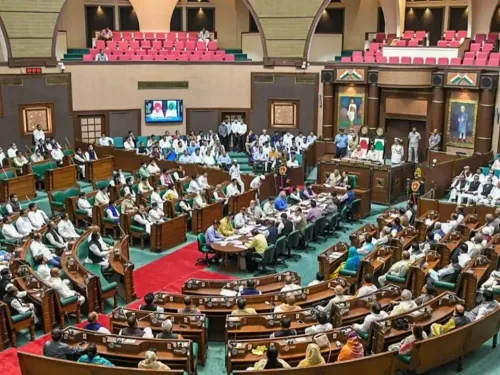
Patwari warned that the Congress would stand firmly with farmers and raise their issues 'from the streets to the Assembly' if the government attempted to suppress their democratic right to protest. This comes amid broader discontent in the agrarian belt of central India, where erratic monsoons and inadequate support prices have compounded rural distress. The state government had not issued an official response to Patwari's allegations at the time of reporting.
Point of View
But the rainfall and irrigation data he cited are verifiable and significant — a 33% monsoon shortfall in the Indore division is not a routine grievance. The deeper question is whether the Madhya Pradesh government has a credible short-term response to agrarian distress, or whether it is managing the optics of farmer mobilisation rather than its underlying causes. If the barricading plan is accurate, it echoes a pattern seen elsewhere: administrations choosing containment over dialogue. That approach has historically inflamed rather than resolved farmer movements, and with rabi sowing approaching amid water uncertainty, the window for de-escalation may be narrow.
NationPress
5 Oct 2026
Frequently Asked Questions
What did Congress allege about the Madhya Pradesh government's plan for farmers?
Congress's Madhya Pradesh president Jitu Patwari alleged that the state government was preparing to barricade 16 major entry and exit points of Bhopal to prevent farmers from entering the capital. He claimed the plan involved concrete blocks, containers, barbed wire, and containment zones, modelled on arrangements used during the Delhi farmers' agitation.
What is the scale of the rainfall deficit in Madhya Pradesh?
Madhya Pradesh received 908.4 mm of rainfall between 1 June and 30 September against a normal of 949.5 mm. The Indore division faced the sharpest shortfall, receiving 639.70 mm against a normal of 952.20 mm — a deficit of nearly 33 per cent.
What are the key demands raised by Congress on behalf of farmers?
Congress has demanded special crop-loss surveys in 30 districts, compensation for affected farmers, effective MSP implementation, a publicly announced water-release schedule for rabi crops, transformer replacements within 48 hours, 10 to 12 hours of three-phase power for agricultural feeders, and withdrawal of the barricading plan.
What infrastructure issues did Patwari highlight?
Patwari flagged that the nearly 40-year-old unlined canals of the Sanjay Sarovar Project were damaged, and that water supply to tail-end areas of the Pench Diversion Project had been given a deadline of November 2027 — which he called a sign of government insensitivity to immediate farmer needs.
Has the Madhya Pradesh government responded to these allegations?
The state government had not issued an official response to Patwari's allegations at the time of reporting. Congress has warned it will raise the issue 'from the streets to the Assembly' if farmers are prevented from staging democratic protests in Bhopal.