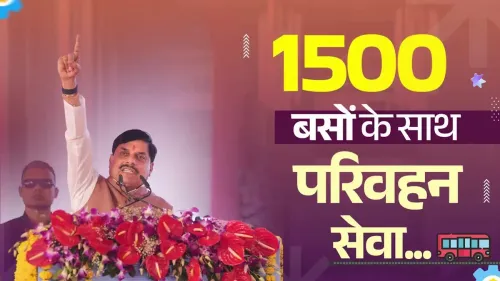
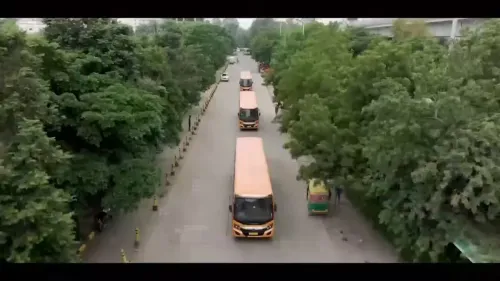
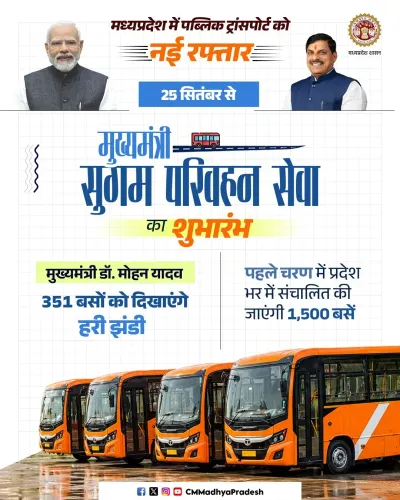
MP Launches 351 Electric Buses Across 7 Cities Under CM Sugam Parivahan
Synopsis
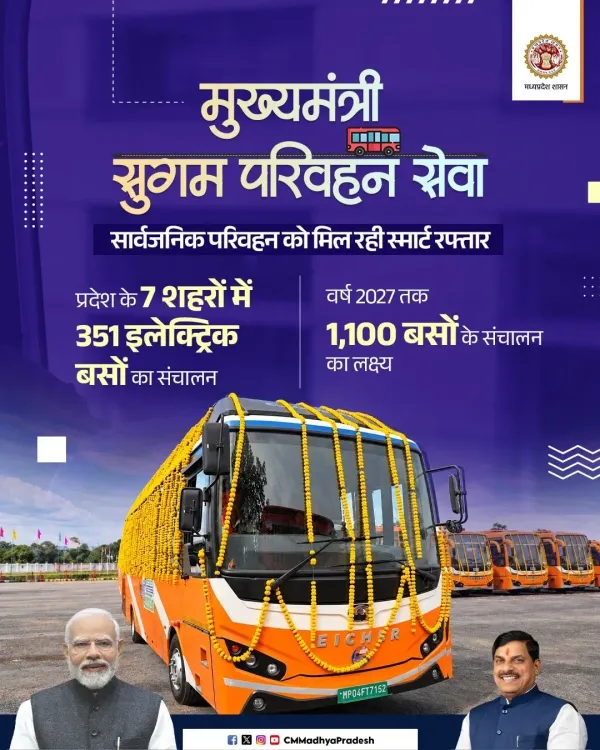
Madhya Pradesh has deployed 351 electric buses across 7 cities under the Mukhyamantri Sugam Parivahan Seva, announced by the Chief Minister's Office on 11 November 2026. The state scheme, backed by central FAME-II funding, marks a significant step in India's urban transport electrification drive.
Key Takeaways
351 electric buses are operational across 7 cities in Madhya Pradesh under the Mukhyamantri Sugam Parivahan Seva .
The announcement was made by the Chief Minister's Office of Madhya Pradesh on 11 November 2026 , tagging CM Dr.
The scheme aims to deliver smart, accessible, and cleaner urban public transport across the state.
India's central FAME-II scheme (2019) provides the subsidy framework enabling states like MP to procure electric buses at scale.
The Madhya Pradesh Transport Department is the implementing body for fleet operations and route coordination.
The simultaneous multi-city rollout positions Madhya Pradesh ahead of states still running single-city EV pilots.
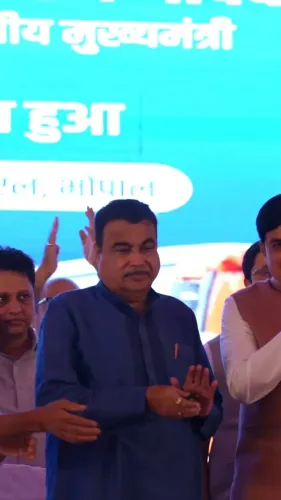
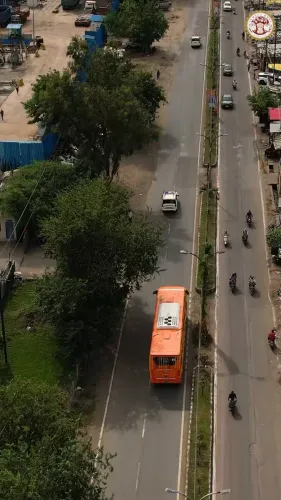
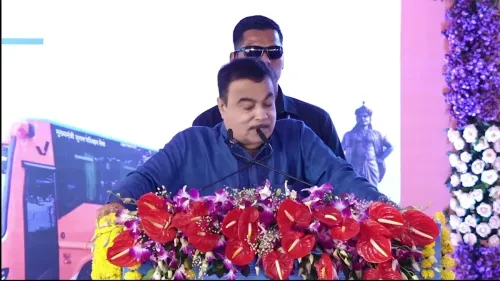
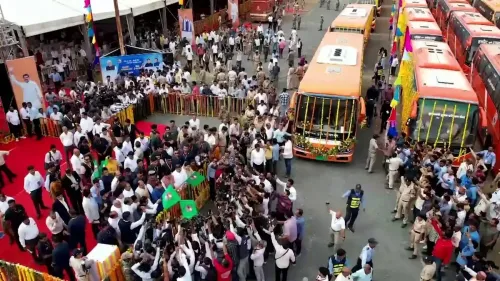
Madhya Pradesh is putting its cities on a cleaner, quieter grid — 351 electric buses are now rolling across 7 cities in the state under the Mukhyamantri Sugam Parivahan Seva, a state-led push to overhaul urban public transport and cut dependence on fossil fuels. The Chief Minister's Office of Madhya Pradesh announced the milestone on Wednesday, 11 November 2026, tagging Chief Minister Dr. Mohan Yadav and the Madhya Pradesh Transport Department.
What the Mukhyamantri Sugam Parivahan Seva Is Actually Doing
The scheme's name translates literally as 'Chief Minister's Easy Transport Service' — but the ambition is anything but routine. Sugam, meaning smooth or accessible, signals the government's intent: not just electrification, but a rethink of who gets to move through India's mid-sized cities affordably and reliably. The Madhya Pradesh Transport Department is the operational backbone, coordinating fleet deployment and route planning across the seven participating cities.
Electric buses at this scale require more than vehicles — they need charging infrastructure, trained drivers, and grid support. The fact that the rollout spans seven cities simultaneously marks a departure from the pilot-one-city approach most states have favoured.
FAME-II's Long Shadow Over State EV Fleets
Madhya Pradesh's push did not emerge in a vacuum. The central government's FAME-II (Faster Adoption and Manufacturing of Electric Vehicles) scheme, launched in 2019, created a funding channel that allowed states to procure electric buses at substantially subsidised costs. MP's current rollout fits squarely within that national architecture — state ambition backed by central subsidy, now translated into visible infrastructure on city roads.
Across India, urban air quality and fuel import bills have driven an accelerating race to electrify public fleets. Madhya Pradesh, with its cluster of rapidly growing Tier-2 cities, is positioning itself as a state that moved decisively rather than waited.
What Urban Commuters Stand to Gain
For the daily commuter, the arithmetic is simple: electric buses are quieter, produce zero tailpipe emissions, and typically carry lower operating costs that — if passed on — could mean cheaper or more reliable fares. The scheme's branding as 'smart speed for public transport' (the post's phrase: saarvajanik parivahan ko mil rahi smart raftaar) signals the government is packaging this as a modernity story, not just an environment one.
The Madhya Pradesh Transport Department's next challenge is integration — connecting these buses with real-time tracking, digital ticketing, and last-mile links that make a 351-bus network feel like a system rather than a fleet. That work, largely invisible to the commuter, will determine whether this milestone becomes a durable upgrade or a headline that fades.
Point of View
It anchors a pro-urban, pro-environment image at a time when Tier-2 city voters are increasingly sensitive to air quality and commute reliability. The scheme also illustrates how FAME-II has quietly become the financial spine of state-level EV ambitions — central subsidy doing the heavy lifting while state branding takes the credit. The real test will come in whether MP can build the charging ecosystem and integration layer that turns a fleet announcement into a lasting ridership shift.
NationPress
11 Nov 2026
Frequently Asked Questions
What is the Mukhyamantri Sugam Parivahan Seva in Madhya Pradesh?
It is a Madhya Pradesh state government scheme to modernise urban public transport by deploying electric buses across cities. The scheme is designed to provide affordable, clean, and accessible commuting options to residents.
How many electric buses are running under the MP Sugam Parivahan Seva?
351 electric buses have been deployed across 7 cities in Madhya Pradesh under the scheme, as announced on 11 November 2026 .
Which cities in Madhya Pradesh have electric buses under this scheme?
The Chief Minister's Office announced operations across 7 cities, though the specific city names were not listed in the official post. The scheme is administered by the Madhya Pradesh Transport Department.
What is India's FAME-II scheme and how does it relate to MP's electric buses?
FAME-II (Faster Adoption and Manufacturing of Electric Vehicles), launched by the central government in 2019 , provides funding subsidies for electric bus procurement by states. Madhya Pradesh's deployment is part of this national incentive architecture.
Who is overseeing the electric bus rollout in Madhya Pradesh?
The Madhya Pradesh Transport Department is the implementing agency, operating under the direction of Chief Minister Dr. Mohan Yadav .