MP Launches Gopal-Krishna Gram Award for Best Animal Rearer
Synopsis
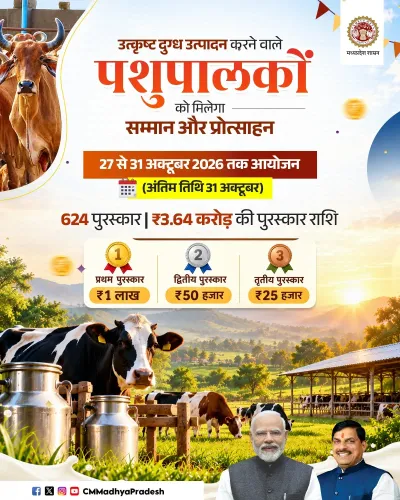
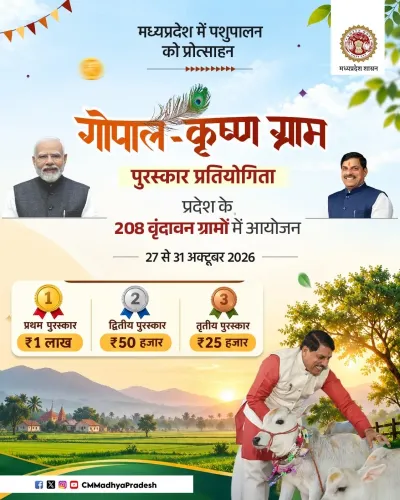
Madhya Pradesh's CMO announces the Gopal-Krishna Gram Puraskar Pratiyogita across 208 Vrindavan villages, offering the best livestock keeper a ₹1 lakh prize. October 31, 2026 is the last day to compete, with CM Dr. Mohan Yadav backing the initiative.
Key Takeaways
The Gopal-Krishna Gram Puraskar Pratiyogita is being held across 208 Vrindavan villages in Madhya Pradesh.
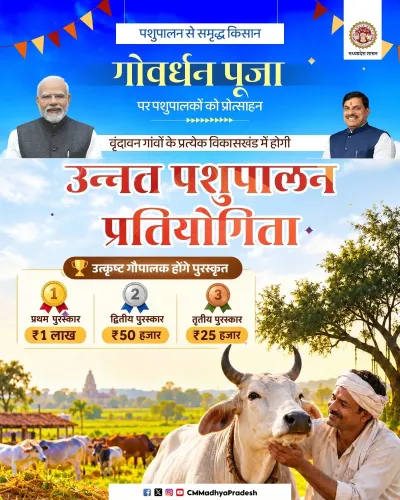
The top animal rearer ( pashupalak ) wins a cash prize of ₹1 lakh .
31 October 2026 is the final day to participate in the competition.
The scheme is backed by the Madhya Pradesh Department of Animal Husbandry and endorsed by CM Dr.
The initiative aligns with the national Rashtriya Gokul Mission (launched 2014) focused on indigenous cattle breed conservation and dairy development.
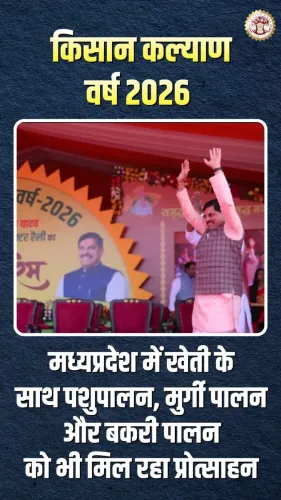
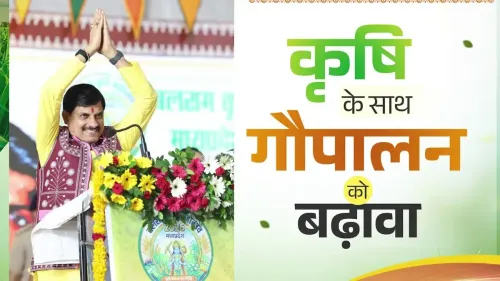
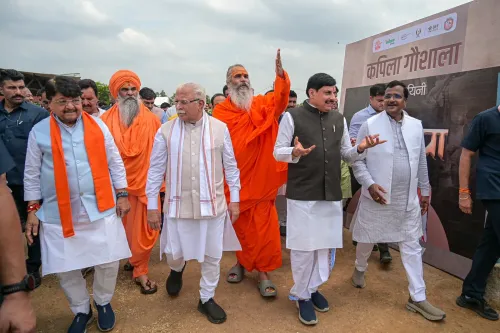
A cash prize of ₹1 lakh is on the line for the most dedicated livestock keeper in Madhya Pradesh — and today, Saturday, 31 October 2026, is the last day to compete. The Chief Minister's Office of Madhya Pradesh announced that the Gopal-Krishna Gram Puraskar Pratiyogita (Gopal-Krishna Village Award Competition) is being held across 208 Vrindavan villages of the state, with the top animal rearer set to take home the prize.
What the competition covers and who stands to win
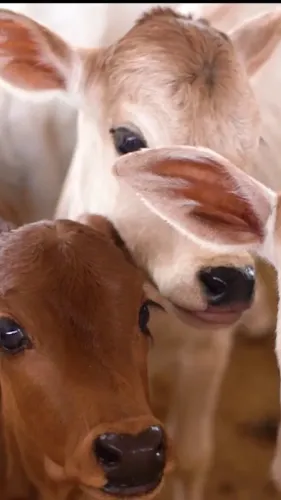
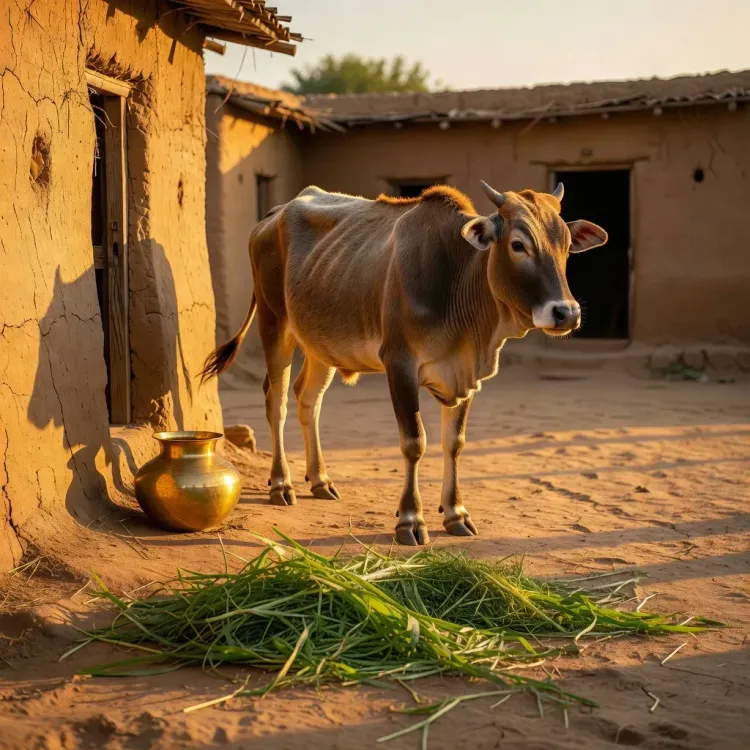
The contest is designed to identify and reward the best pashupalaks — livestock keepers — operating within Madhya Pradesh's designated Vrindavan villages. These are select rural settlements developed around cow-centric and culturally significant models, drawing on the region's deep agrarian and devotional heritage. The top performer walks away with a ₹1 lakh cash prize, a meaningful sum for a rural household that can directly reinvest in its herd or dairy operation.
The competition is run under the Madhya Pradesh Department of Animal Husbandry, the state body responsible for livestock promotion, gaushala support, and related incentive programmes. Chief Minister Dr. Mohan Yadav, who has held the post since December 2023, has been tagged in the announcement, signalling political endorsement at the top level.
Vrindavan villages and the Gokul policy thread
Madhya Pradesh governments have periodically used targeted awards and financial incentives to strengthen the animal husbandry and dairy sectors as pillars of rural income support. The broader national frame for this is the Rashtriya Gokul Mission, launched by the Government of India in 2014, which focuses on conserving indigenous cattle breeds and supporting dairy development. State-level competitions like this one translate that national push into village-level contests with tangible rewards.
The Vrindavan village model adds a distinct layer — blending economic incentives with cultural emphasis on cow protection and indigenous breed conservation, a combination that has become a recurring feature of rural policy in the state.
Last day to enter — what comes next
With today marking the competition deadline, the focus now shifts to announcement of winners and whether the state will expand the Vrindavan village model or scale up livestock incentive schemes in upcoming budget cycles. For the 208 villages in the frame, the stakes are immediate and local. For the state's broader livestock policy, the results will be a signal of how seriously the rural economy takes competition-based incentives.
In a state where millions of households depend on cattle for both livelihood and cultural identity, a ₹1 lakh prize is not just a number — it is a statement about what the government chooses to reward.
Point of View
Whose political base is rooted in rural Central India, such visible, tangible rewards for farmers serve a dual purpose: real livelihood support and an unmistakable signal of cultural alignment. The watch question is whether this remains a one-off competition or evolves into a scalable, budgeted programme for India's livestock-rich heartland.
NationPress
31 Oct 2026
Frequently Asked Questions
What is the Gopal-Krishna Gram Puraskar Pratiyogita in Madhya Pradesh?
It is a state-level livestock competition organised across 208 Vrindavan villages of Madhya Pradesh, awarding the best animal rearer a cash prize of ₹1 lakh.
Who is eligible for the Gopal-Krishna Gram award in MP?
Animal rearers (pashupalaks) residing in the designated 208 Vrindavan villages of Madhya Pradesh are eligible to participate in the competition.
What is the last date to enter the Gopal-Krishna Gram Puraskar competition?
The last date to participate in the competition is 31 October 2026, as announced by the Chief Minister's Office of Madhya Pradesh.
What are Vrindavan villages in Madhya Pradesh?
Vrindavan villages are select rural settlements in Madhya Pradesh developed around cow-centric and culturally significant models, forming the focus of several state livestock and rural welfare schemes.
How does this MP scheme relate to the Rashtriya Gokul Mission?
The Rashtriya Gokul Mission, launched by the Government of India in 2014, promotes indigenous cattle breed conservation and dairy development. State-level contests like this one translate that national policy into direct, village-level cash incentives.