CM Mohan Yadav Pushes MP Toward Prosperity via Cow Conservation
Synopsis
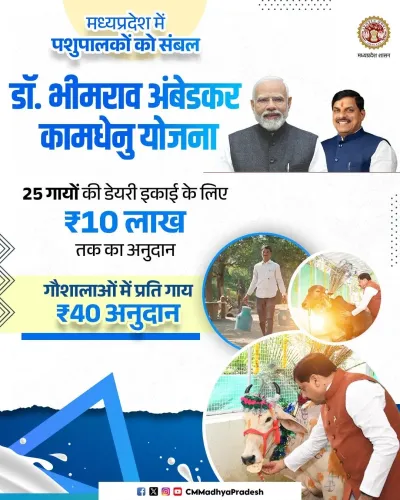
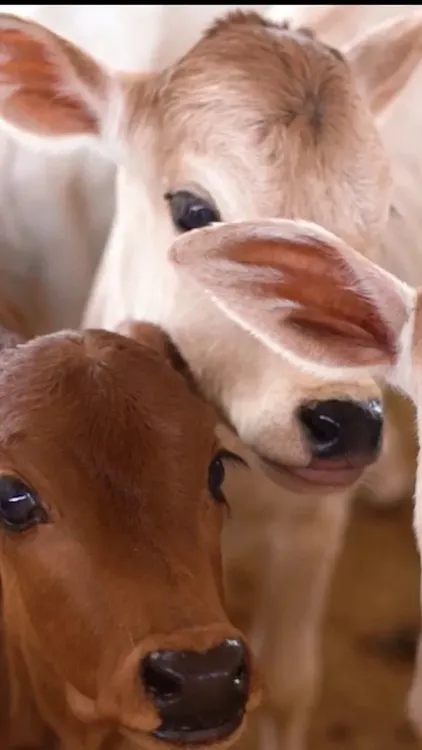
The Chief Minister's Office of Madhya Pradesh says CM Dr. Mohan Yadav is steering the state toward rural prosperity through bovine conservation, the Vrindavan Gram scheme, and milk-production drives — positioning cow welfare as an economic engine for village households.
Key Takeaways
The CMO Madhya Pradesh announced on June 8, 2026 that the state is advancing rural prosperity through cow conservation and dairy development.
Mohan Yadav , in office since December 2023 , has made animal husbandry a central pillar of his rural-economy agenda.
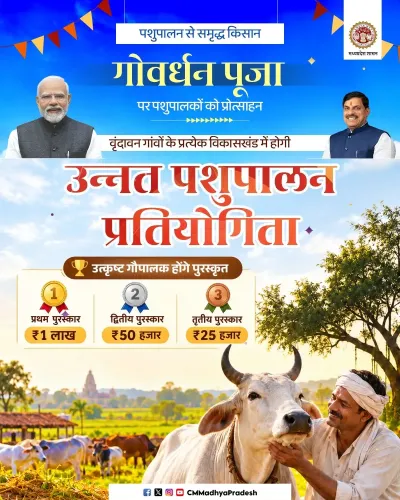
The Vrindavan Gram scheme promotes cow-centric village development, linking gaushala operations to local livelihoods.
The initiative aligns with the national Rashtriya Gokul Mission launched in 2014 for indigenous cattle conservation and dairy productivity.
Key beneficiaries include dairy farmers, rural households, and livestock owners across Madhya Pradesh.
Progress will be tracked through state budget allocations, gaushala coverage data, and annual milk-production figures from the Department of Animal Husbandry .
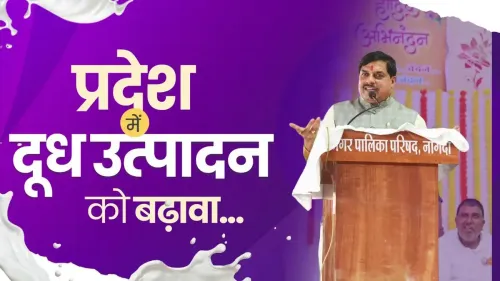
The Chief Minister's Office of Madhya Pradesh, on Monday, June 8, 2026, highlighted how the state is advancing rural prosperity through bovine conservation, the Vrindavan Gram scheme, and milk-production initiatives under the leadership of Chief Minister Dr. Mohan Yadav.
Context
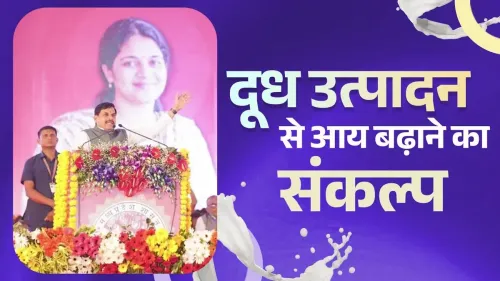
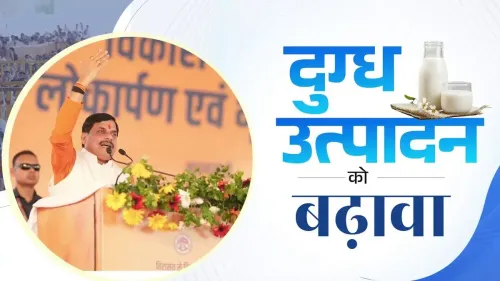
The post, shared from the official CMO handle, declared that Madhya Pradesh is moving 'gau-samvardhan se samridhdhi ki aur' (from cow enrichment towards prosperity). It cited bovine conservation, the Vrindavan Gram initiative, and dairy development as pillars strengthening the rural economy. The Department of Animal Husbandry, Madhya Pradesh was tagged alongside Dr. Mohan Yadav's personal handle, signalling an inter-departmental push.
Madhya Pradesh holds one of the largest bovine populations among Indian states, and its rural households depend heavily on livestock for supplementary income. Framing cow conservation as an economic instrument — rather than solely a cultural one — marks a deliberate policy communication choice by the current administration.
Policy Backdrop
The Vrindavan Gram scheme positions select villages as centres of cow-centric development, linking gaushala operations and indigenous breed conservation to local livelihoods. The initiative draws from the national Rashtriya Gokul Mission, launched in 2014, which set the template for scientific breeding, gaushala support, and productivity enhancement for indigenous cattle across India.
Dr. Mohan Yadav, who assumed office as Chief Minister in December 2023, has consistently foregrounded animal husbandry and rural welfare in the state's development narrative. The current communication reinforces that agenda by bundling bovine conservation with measurable economic outcomes such as milk output and village-level income growth.
Stakeholders and Impact
The primary beneficiaries are dairy farmers, rural households, and livestock owners across Madhya Pradesh. By supporting gaushalas and promoting organised milk procurement, the state aims to raise incomes for smallholder farmers who rely on cattle as a productive asset rather than merely a cultural symbol.
The approach mirrors a broader pattern seen in BJP-governed states, where cow-protection legislation and gaushala expansion are woven together with dairy development goals. This dual framing allows the government to appeal simultaneously to cultural priorities and economic aspirations, widening the policy's political and social reach.
What's Next
Analysts and rural-economy observers will watch for state budget allocations directed at the Vrindavan Gram scheme and associated gaushala infrastructure in the coming fiscal cycle. Physical progress reports — including the number of villages covered and gaushalas operationalised — will be key indicators of on-ground momentum.
Annual milk-production and bovine-population data from the Department of Animal Husbandry will serve as the clearest measure of whether the policy is delivering tangible gains for Madhya Pradesh's rural economy. If production figures show a sustained upward trend, the state could position itself as a model for cow-conservation-linked dairy growth across central India.
Point of View
The government is attempting to make the policy legible to both ideological supporters and economically motivated rural voters. This sits within a wider BJP-state pattern of using animal husbandry budgets to build grassroots infrastructure while reinforcing identity-linked priorities. The real test will come when verifiable output data — milk production volumes, gaushala numbers, and farmer income surveys — are placed in the public domain.
NationPress
24 Oct 2026
Frequently Asked Questions
What is the Vrindavan Gram scheme in Madhya Pradesh?
Vrindavan Gram is a Madhya Pradesh state initiative that promotes cow-centric village development, supporting gaushala operations, indigenous breed conservation, and dairy-linked livelihoods in rural communities.
What is CM Mohan Yadav doing for cow conservation in MP?
Chief Minister Dr. Mohan Yadav has backed bovine conservation through the Vrindavan Gram scheme and dairy development programmes aimed at strengthening rural incomes for livestock-dependent households across Madhya Pradesh.
What is the Rashtriya Gokul Mission?
The Rashtriya Gokul Mission is a national programme launched in 2014 to conserve indigenous cattle breeds and improve dairy productivity through scientific breeding support and assistance to gaushalas across India.
How does cow conservation help the rural economy in Madhya Pradesh?
By linking gaushala support and indigenous breed conservation to organised milk procurement and village-level income generation, the state aims to raise earnings for dairy farmers and smallholder livestock owners in rural Madhya Pradesh.
Which department handles animal husbandry in Madhya Pradesh?
The Department of Animal Husbandry, Madhya Pradesh manages livestock conservation, gaushala support, and milk-production enhancement programmes in the state, working alongside the Chief Minister's Office on schemes such as Vrindavan Gram.