MP CM Mohan Yadav pledges support to boost milk output
Synopsis
Madhya Pradesh CM Dr Mohan Yadav has pledged government support to expand milk production and raise livestock farmers' incomes, with financial assistance for animal husbandry, linking the push to the state's Ladli Behna Yojana base.
Key Takeaways
The Chief Minister's Office of Madhya Pradesh announced on October 14, 2026 that the state is committed to boosting milk production.
CM Dr Mohan Yadav stated the government will provide financial assistance ( aarthik sahayata ) to encourage animal husbandry.
The announcement was tagged with #LadliBehnaYojana , signalling a potential link between dairy support and women-led household beneficiaries.
The dairy push aligns with national policy goals of raising farmer incomes by integrating allied agricultural sectors.
Madhya Pradesh's livestock sector represents a key income source for millions of rural households across the state.
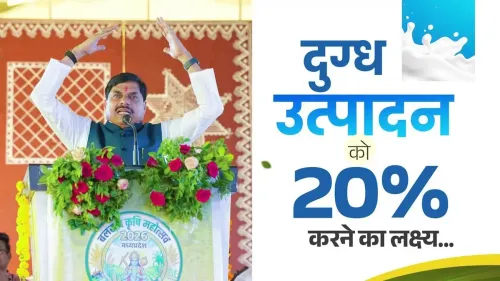
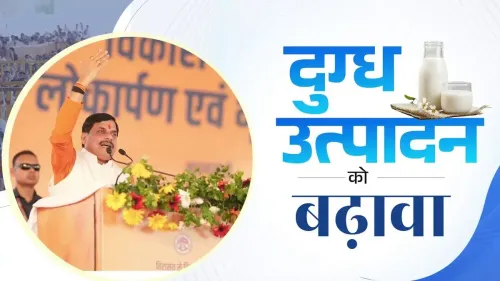
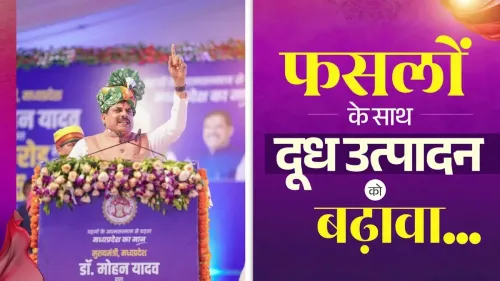
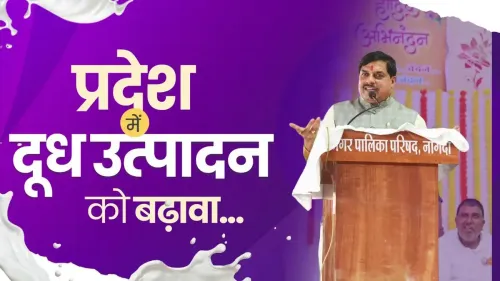
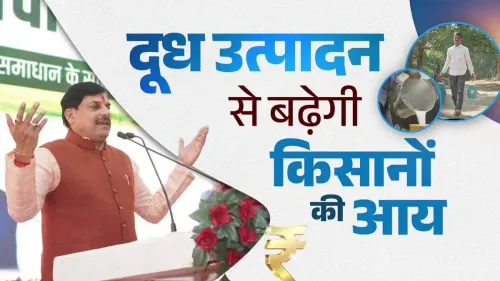
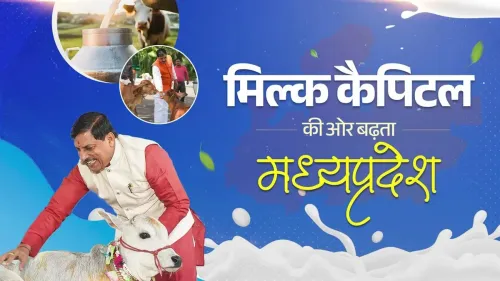
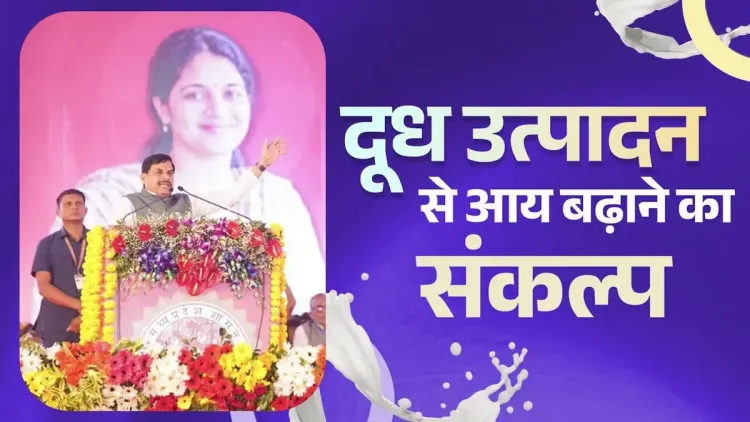
Madhya Pradesh's dairy farmers got a clear government signal on Wednesday, October 14, 2026: the state is committing to both higher milk production and better incomes for livestock keepers. The Chief Minister's Office of Madhya Pradesh posted on X that Chief Minister Dr Mohan Yadav has reaffirmed the government's resolve to promote dairy farming and extend financial assistance to animal husbandry practitioners across the state.
In his statement, CM Yadav said: 'हमारी सरकार प्रदेश में दुग्ध उत्पादन को बढ़ावा देने और पशुपालकों की आय बढ़ाने के लिए प्रतिबद्ध है' — 'Our government is committed to promoting milk production in the state and increasing the income of livestock farmers. The government is also providing financial assistance to encourage animal husbandry.'
Dairy farming at the centre of rural income policy
Madhya Pradesh is among India's significant milk-producing states, and livestock rearing remains a secondary — often primary — income source for millions of rural households. The state's push on dairy is consistent with a broader national emphasis on doubling farmers' incomes by integrating crop cultivation with allied sectors such as animal husbandry, fisheries, and dairying.
The post's tagging of #LadliBehnaYojana alongside the dairy announcement is notable. Ladli Behna Yojana, the flagship direct-benefit scheme for women in Madhya Pradesh, has a strong rural and semi-urban base; linking dairy income support to women beneficiaries would align with the government's strategy of channelling economic gains through women-led households, where livestock ownership is common.
Financial assistance as the policy lever
The CM's statement specifically highlights economic assistance — aarthik sahayata — as the vehicle for encouraging animal husbandry. While the post does not specify the quantum or the exact scheme name, such support in Indian state policy typically takes the form of subsidised loans for animal purchase, insurance premium support, or direct incentive payments for milk supplied to cooperatives.
Madhya Pradesh has in recent years expanded its cooperative dairy network and sought to bring more farmers into structured procurement chains that guarantee floor prices. Formalising that linkage with direct financial support could meaningfully raise net incomes for smallholders who currently sell at informal, often lower, local rates.
For a state where agriculture and allied activities employ a large share of the workforce, lifting dairy incomes is not a sectoral footnote — it is a frontline poverty-reduction tool. The government's signal is clear. The details of delivery are what farmers will now watch for.
Point of View
It follows a template visible across BJP-governed states of wrapping agrarian welfare in women-centric branding to maximise electoral reach. The announcement is policy-directional but light on specifics; the real test will be whether financial assistance translates into a named scheme with measurable disbursals, or remains a headline commitment. Either way, it positions the CM as proactively attentive to rural distress heading into a politically active calendar.
NationPress
14 Oct 2026
Frequently Asked Questions
What did MP CM Mohan Yadav announce for dairy farmers?
CM Dr Mohan Yadav announced on October 14, 2026 that the Madhya Pradesh government is committed to promoting milk production and increasing the income of livestock farmers through financial assistance to encourage animal husbandry.
What is the government's financial support for pashupalan in Madhya Pradesh?
The MP government stated it is providing financial assistance — referred to as 'aarthik sahayata' — to encourage animal husbandry, though specific scheme names or amounts were not detailed in the announcement.
How is Ladli Behna Yojana connected to the dairy farming announcement?
The CM's post tagged Ladli Behna Yojana alongside the dairy support announcement, suggesting the government may seek to channel dairy income benefits through women beneficiaries of that scheme, who often manage household livestock.
Why is milk production important for Madhya Pradesh farmers?
Livestock rearing and dairying serve as a primary or secondary income source for millions of rural households in Madhya Pradesh, making dairy income support a direct tool for rural poverty reduction.
Which official made the dairy farming statement in Madhya Pradesh?
The statement was made by Chief Minister Dr Mohan Yadav and shared via the official Chief Minister's Office of Madhya Pradesh account on X on October 14, 2026.