MP man airlifted from Dubai after cardiac arrest, now at AIIMS Delhi
Synopsis
A Madhya Pradesh man lay in a Dubai hospital for over three weeks in a cardiac-arrest-induced coma before Chief Minister Mohan Yadav's direct outreach to the PMO unlocked a cross-border air ambulance evacuation. The case puts a human face on the complex diplomatic and logistical machinery that must be activated every time an Indian national falls critically ill abroad.
Key Takeaways
Gyanendra Tiwari of Anuppur district, Madhya Pradesh suffered a cardiac arrest in Dubai on 15 October 2026 and was in a coma for over three weeks .
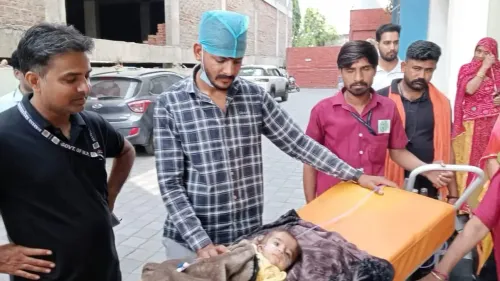
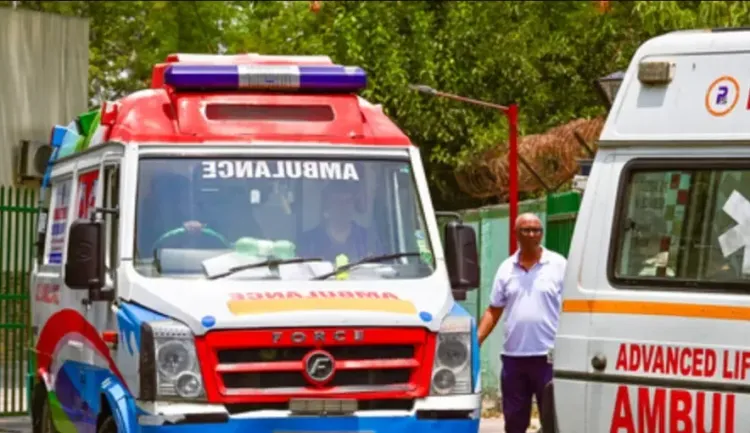
He was airlifted to India in an air ambulance and admitted to AIIMS New Delhi for treatment.
Chief Minister Mohan Yadav contacted the Prime Minister's Office to coordinate the repatriation.
Deputy Chief Minister Rajendra Shukla and Shahdol MP Himadri Singh also worked to facilitate his safe return.
Tiwari's family, represented by relative Devendra Tiwari , thanked both the Central and Madhya Pradesh governments for their assistance.
A Madhya Pradesh man who suffered a cardiac arrest in Dubai and remained in a coma for over three weeks has been brought back to India aboard an air ambulance and admitted to the All India Institute of Medical Sciences (AIIMS) in New Delhi, following coordinated efforts by the Centre and the Madhya Pradesh government. The rescue comes after weeks of anxiety for his family, who had been uncertain about arranging his repatriation from a foreign country.
What Happened in Dubai
Gyanendra Tiwari, a resident of Anuppur district in Madhya Pradesh, suffered a cardiac arrest on 15 October 2026 and was hospitalised in Dubai. His prolonged stay in a coma at a foreign hospital deepened concerns for his family, who faced the difficult prospect of arranging medical evacuation for a critically ill patient across international borders.
How the Repatriation Was Arranged
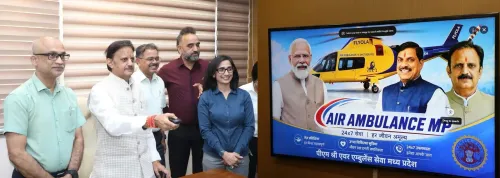
According to a statement issued by the Madhya Pradesh government on Thursday, Chief Minister Mohan Yadav took the initiative to facilitate Tiwari's return and contacted the Prime Minister's Office (PMO) for necessary coordination. “Necessary coordination was undertaken with the Prime Minister's Office on the initiative of the Chief Minister,” the government statement said.
Deputy Chief Minister Rajendra Shukla and Shahdol Member of Parliament Himadri Singh also made sustained efforts to ensure Tiwari's safe return and access to better medical care, the statement added. Arrangements for the air ambulance were made following coordinated action at both government and administrative levels.
Family's Relief and Gratitude
Tiwari's relative, Devendra Tiwari, confirmed the family had remained deeply worried throughout the ordeal and expressed gratitude to all who assisted in bringing him back safely. He thanked the Central government, the Madhya Pradesh government, and the officials and public representatives who helped make the arrangements possible.
Gyanendra is currently undergoing treatment at AIIMS Delhi under the supervision of doctors there. His condition, while still serious given the prolonged coma, is being monitored closely by the medical team.
Significance of the Case
The case highlights the challenges faced by Indian workers and travellers who suffer medical emergencies abroad, particularly in the Gulf region, where a large number of Indians are employed. Medical evacuations of this nature typically require diplomatic coordination, insurance clearances, and logistical arrangements that can take days or weeks to complete. The involvement of the PMO and state leadership in facilitating the return underscores the growing expectation that governments will intervene in such cases involving Indian nationals overseas.
Point of View
Which raises an uncomfortable question: should repatriation outcomes depend on who you know in government? The case also quietly signals a political dynamic — both the state and Centre are keen to demonstrate responsiveness to constituents working abroad, particularly in an era when Gulf remittances and diaspora welfare have become visible governance metrics.
NationPress
6 Nov 2026
Frequently Asked Questions
Who is Gyanendra Tiwari and what happened to him in Dubai?
Gyanendra Tiwari is a resident of Anuppur district in Madhya Pradesh who suffered a cardiac arrest in Dubai on 15 October 2026. He was hospitalised there and remained in a coma for more than three weeks before being evacuated to India.
How was Gyanendra Tiwari brought back to India?
He was airlifted in an air ambulance following coordinated efforts by the Madhya Pradesh government and the Centre. Chief Minister Mohan Yadav contacted the Prime Minister's Office to facilitate the arrangements, with Deputy Chief Minister Rajendra Shukla and Shahdol MP Himadri Singh also playing active roles.
Where is Gyanendra Tiwari being treated now?
He is currently admitted to the All India Institute of Medical Sciences (AIIMS) in New Delhi, where he is under the supervision of doctors there.
What role did the Madhya Pradesh government play in the evacuation?
According to a state government statement, Chief Minister Mohan Yadav took the initiative to coordinate the repatriation and contacted the PMO directly. The government stated that arrangements for the air ambulance were made through coordinated action at both government and administrative levels.
Why are such medical evacuations from Gulf countries difficult to arrange?
Medical evacuations for critically ill patients from countries like the UAE typically require diplomatic coordination, medical clearances, insurance approvals, and specialised air ambulance logistics, all of which can take days or weeks. The involvement of senior political figures can accelerate these processes by cutting through bureaucratic and administrative delays.