MP Marks Birsa Munda's 151st Birth Anniversary in Dhar
Synopsis
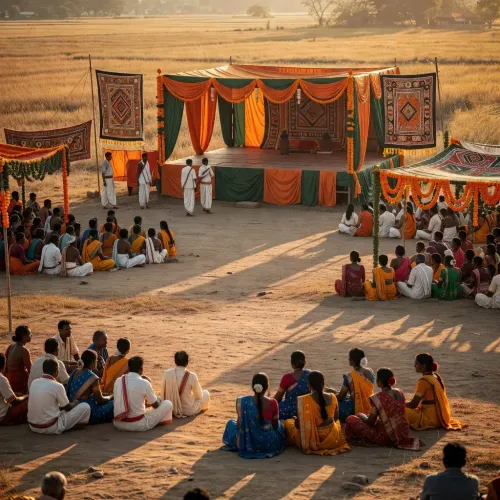
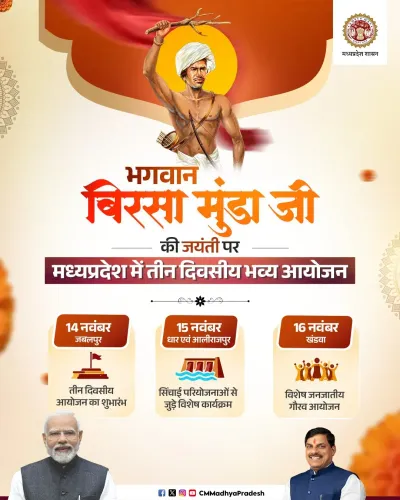
Madhya Pradesh held its state-level Janjatiya Gaurav Diwas celebration in Dhar on 15 November 2026, marking Bhagwan Birsa Munda's 151st birth anniversary. PM Modi addressed the event virtually, while Governor Mangubhai Patel and CM Dr. Mohan Yadav attended in person. The Dahi Micro Lift Irrigation Project was inaugurated at the ceremony.
Key Takeaways
Madhya Pradesh held its state-level Janjatiya Gaurav Diwas celebration in Dhar district on 15 November 2026 , marking Bhagwan Birsa Munda's 151st birth anniversary .
Prime Minister Narendra Modi addressed the event virtually; Governor Mangubhai Patel and CM Dr.
Mohan Yadav were present in person.
The Dahi Micro Lift Irrigation Project was inaugurated at the ceremony, targeting agricultural water access in a tribal-majority district.
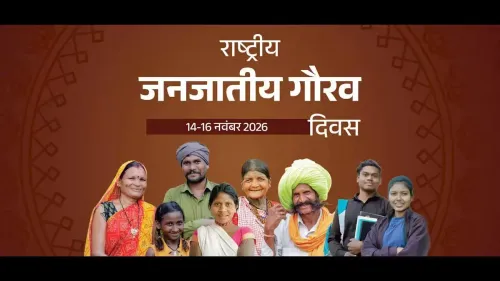
Janjatiya Gaurav Diwas was instituted by the Government of India in 2021 to honour tribal freedom fighters on Birsa Munda's birth anniversary.
Madhya Pradesh has one of India's largest Scheduled Tribe populations , making districts like Dhar central to tribal welfare and infrastructure delivery.
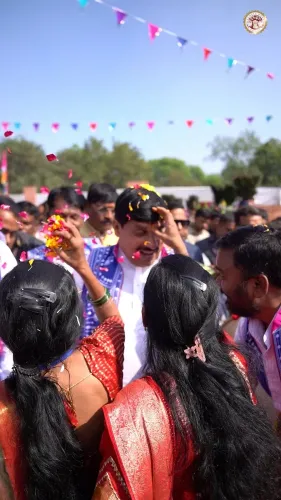
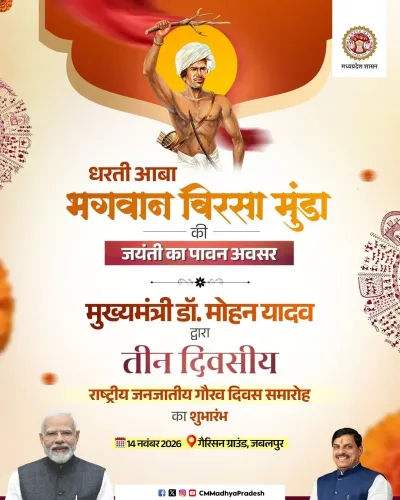
On the 151st birth anniversary of Bhagwan Birsa Munda, Madhya Pradesh elevated Janjatiya Gaurav Diwas — Tribal Pride Day — from a ceremonial calendar entry into a live moment of infrastructure delivery, bringing together the highest offices of the state and the nation in Dhar on 15 November 2026. The Chief Minister's Office of Madhya Pradesh announced the state-level celebration with Prime Minister Narendra Modi addressing the event virtually and both Governor Mangubhai Patel and Chief Minister Dr. Mohan Yadav present in person.
Who Was Birsa Munda — and Why 151 Matters
Born on 15 November 1875, Bhagwan Birsa Munda led the Munda community's armed uprising against British colonial authority and forest-rights dispossession in the late 19th century. He died in British custody in 1900, aged just 25, but his legacy endured as a touchstone of tribal resistance and self-determination. The number 151 carries weight: a century and a half since his birth, and the first full decade since the Government of India formally declared his anniversary a national day of tribal pride.
That declaration came in 2021, when the Centre instituted Janjatiya Gaurav Diwas to honour Birsa Munda and other tribal freedom fighters. Since then, the day has become a fixture on the political calendar — marked with cultural events, welfare announcements, and development project launches in tribal-majority districts across the country.
Dhar as the Stage — and the Dahi Irrigation Launch
Dhar district in western Madhya Pradesh, home to a substantial Scheduled Tribe population, was chosen as the venue for this year's state-level ceremony. The centrepiece infrastructure announcement: the inauguration of the Dahi Micro Lift Irrigation Project (Dahi Micro Udwahan Sinchai Pariyojana). Micro lift irrigation systems pump water from lower to higher elevations in small, targeted channels — a design suited to the undulating topography of tribal hinterlands where large canal networks rarely reach.
The launch signals Madhya Pradesh's established pattern of coupling symbolic tribal recognition with tangible ground-level delivery. The state carries one of India's largest Scheduled Tribe populations, making districts like Dhar critical arenas for welfare and agricultural infrastructure.
Modi's Virtual Address and the National Frame
Prime Minister Modi addressed the gathering virtually — a format that has become routine for Janjatiya Gaurav Diwas events, allowing the Centre to anchor state-level ceremonies within a unified national narrative of tribal honour. With Governor Patel and CM Yadav flanking the event in person, the ceremony presented a rare convergence of constitutional, executive, and national leadership around a single tribal district.
The post's salutation — 'shant-shant naman' (reverential hundredfold salutations) — sets the register: solemn tribute first, development announcement second. That sequencing is deliberate. For Madhya Pradesh's tribal communities, Birsa Munda is not just history; he is living identity.
What Follows the Inauguration in Dhar
Progress on the Dahi Micro Lift Irrigation Project — its coverage area, number of beneficiary farmers, and water delivery timelines — will be the metric by which this day's promises are measured. Madhya Pradesh has repeatedly used Janjatiya Gaurav Diwas inaugurations as launchpads for broader tribal welfare announcements; whether this year's ceremony produces a follow-up policy package will become clear in the weeks ahead.
One hundred and fifty-one years after Birsa Munda was born, Dhar just became the measure of how far that promise has travelled — and how far it still has to go.
Point of View
One of India's most tribal-populous states. Choosing Dhar, a district with deep tribal demographics, over larger urban centres signals a deliberate optics strategy: ground the tribute where it carries the most electoral and social resonance. The virtual address format used by PM Modi has become a force-multiplier, linking dozens of state events to a single national narrative without requiring physical travel. The key question going forward is whether the Dahi Irrigation Project translates into measurable agricultural gains for tribal farmers, or whether it joins a long list of inaugurated-but-unmonitored infrastructure in scheduled areas.
NationPress
15 Nov 2026
Frequently Asked Questions
What is Janjatiya Gaurav Diwas and when is it observed?
Janjatiya Gaurav Diwas is India's national Tribal Pride Day, observed every year on 15 November — the birth anniversary of tribal freedom fighter Bhagwan Birsa Munda . The Government of India declared it in 2021 to honour tribal freedom fighters and their contributions.
Who was Bhagwan Birsa Munda?
Bhagwan Birsa Munda was a Munda tribal leader and freedom fighter born on 15 November 1875 who led an armed uprising against British colonial rule and forest-rights dispossession. He died in British custody in 1900 and is revered as a symbol of tribal resistance in India.
What is the Dahi Micro Lift Irrigation Project in Dhar?
The Dahi Micro Lift Irrigation Project (Dahi Micro Udwahan Sinchai Pariyojana) is an irrigation infrastructure project inaugurated in Dhar district , Madhya Pradesh, on 15 November 2026 during the Janjatiya Gaurav Diwas state ceremony. Specific operational details and coverage numbers have not been officially released.
Why was the 2026 Janjatiya Gaurav Diwas event held in Dhar, Madhya Pradesh?
Dhar in western Madhya Pradesh was selected as the venue for the state-level ceremony because of its substantial Scheduled Tribe population. Madhya Pradesh has one of India's largest tribal populations, making Dhar a symbolically and demographically significant location for such an event.
Did PM Modi attend the Janjatiya Gaurav Diwas event in Dhar in person?
No. Prime Minister Narendra Modi addressed the state-level event in Dhar virtually. Governor Mangubhai Patel and Chief Minister Dr. Mohan Yadav were present in person at the ceremony.