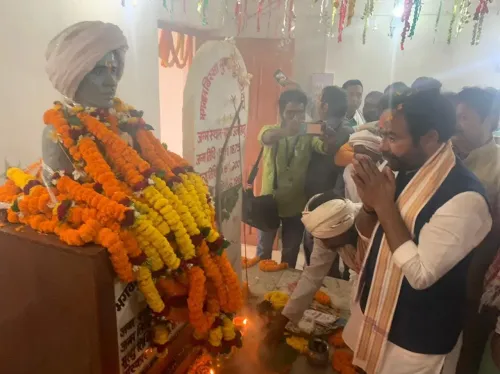
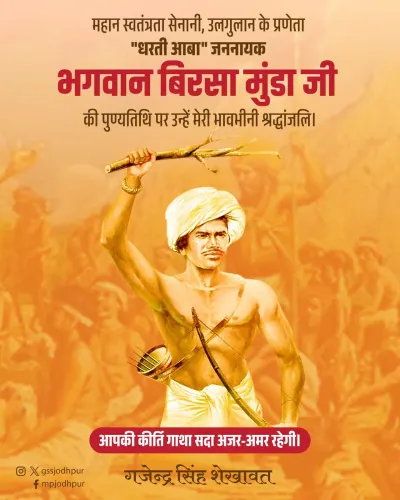
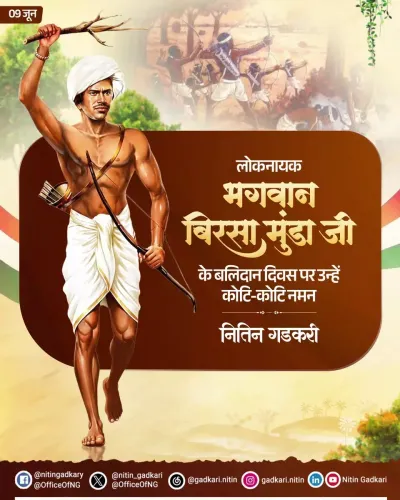
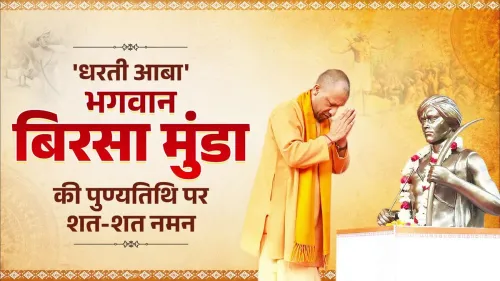
Kishan Reddy Pays Tribute to Birsa Munda on Janjatiya Gaurav Divas
Synopsis
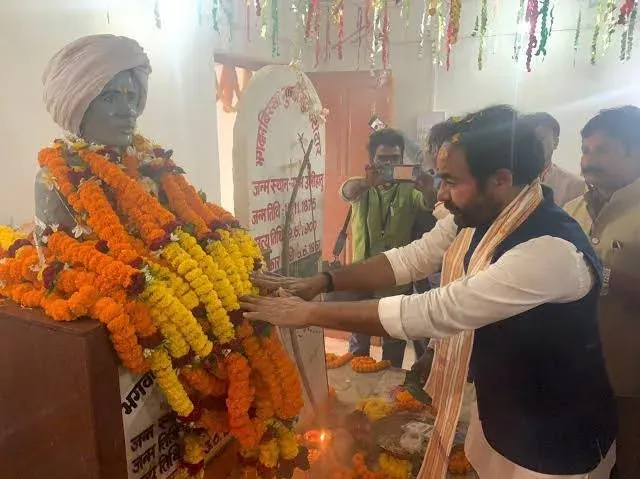
Union Coal and Mines Minister G. Kishan Reddy marked Janjatiya Gaurav Divas on November 15 by honouring Bhagwan Birsa Munda, recalling the Ulgulan rebellion of 1899-1900 and Munda's enduring call for Adivasi self-rule and land rights.
Key Takeaways
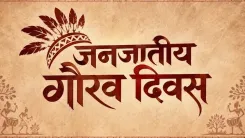
Janjatiya Gaurav Divas is observed on November 15 each year — the birth anniversary of Bhagwan Birsa Munda — a national day declared by the Government of India in 2021 .
Birsa Munda led the Ulgulan (Great Rebellion) of 1899–1900 in the Chota Nagpur plateau , resisting British land policies that dispossessed Adivasi communities.
His slogan 'Abua Raj Ete Jana, Maharani Raj Tundu Jana' became a defining expression of the tribal aspiration for self-rule and an end to colonial authority.
Kishan Reddy (Coal and Mines, BJP Telangana president) paid formal tribute, citing Munda's contribution as an 'enduring part of India's freedom struggle.' Birsa Munda's portrait hangs in the Central Hall of Parliament , reflecting a broad political consensus on his place in India's national history.
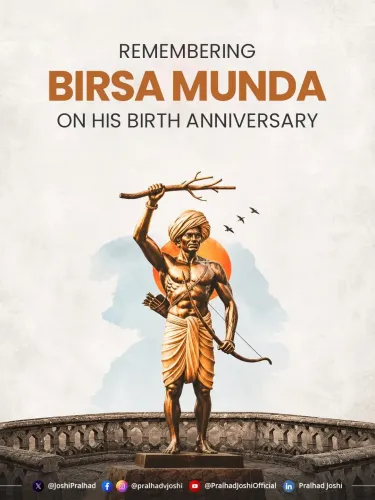
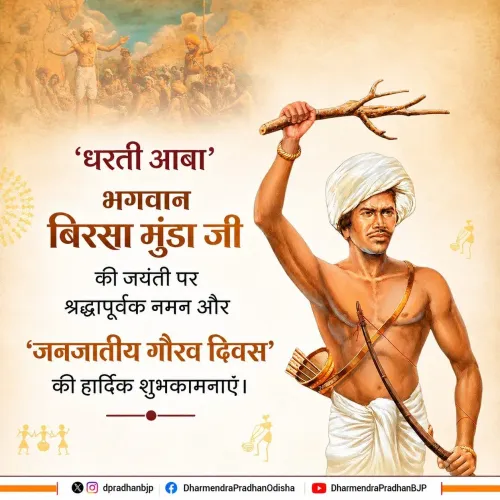
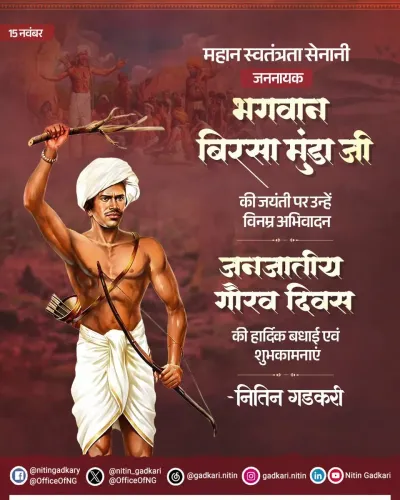
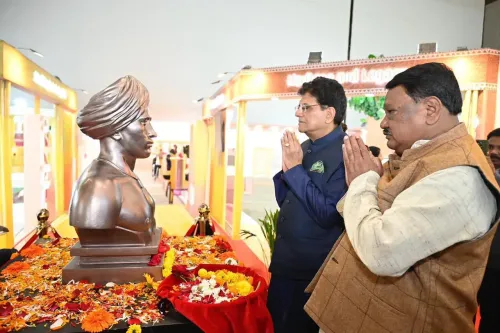
On Janjatiya Gaurav Divas, November 15, Union Coal and Mines Minister G. Kishan Reddy paid tribute to Bhagwan Birsa Munda, the Adivasi leader whose rebellion against British rule made him one of the most consequential figures in India's freedom struggle.
The Ulgulan — a rebellion that shook the Chota Nagpur plateau
Birsa Munda led the Ulgulan — the Great Rebellion of 1899–1900 — across the Chota Nagpur plateau, mobilising Munda tribespeople against British land policies that were systematically stripping Adivasi communities of their ancestral holdings. His war cry, 'Abua Raj Ete Jana, Maharani Raj Tundu Jana' ('Let our rule be established and the Queen's rule end'), fused the demand for land rights with an assertion of cultural sovereignty — a declaration that reverberated far beyond his immediate constituency.
Kishan Reddy's post quoted the slogan directly, calling Birsa Munda's contribution to Adivasi rights 'an enduring part of India's freedom struggle.' The tribute underscores how the tribal resistance of the late 19th century is now woven into the official canon of India's independence narrative.
Janjatiya Gaurav Divas and the politics of tribal recognition
The occasion itself carries policy weight. In 2021, the Government of India formally declared November 15 — Birsa Munda's birth anniversary — as Janjatiya Gaurav Divas, a national day to honour tribal freedom fighters and their contributions to the independence movement. The declaration was a deliberate act of historical reframing: elevating movements like the Ulgulan from regional footnotes to central chapters of the national story.
Annual observances on this date have since become a fixture in the ministerial calendar, accompanied by welfare and cultural programmes targeting Adivasi communities across the country.
Birsa Munda's enduring place in India's historical memory
Born into the Munda tribe, Birsa Munda channelled deep discontent over British-era land alienation and diku (outsider) exploitation into organised resistance. His movement was not merely political — it was spiritual and cultural, reclaiming an identity that colonial policy had sought to displace. He died in British custody in 1900, aged around 25, but his legend only grew. Today, his portrait hangs in the Central Hall of Parliament, a rare honour that speaks to the cross-party consensus around his legacy.
For a Union Minister responsible for India's mining sector — a portfolio that sits in perpetual tension with Adivasi land rights — the tribute carries a particular resonance. The country's coal and mineral wealth is concentrated precisely in the tribal heartlands of Jharkhand, Odisha, and Chhattisgarh that Birsa Munda once defended.
Point of View
Not merely a footnote. Whether that recognition translates into structural change on land rights remains the defining question for Adivasi communities.
NationPress
15 Nov 2026
Frequently Asked Questions
What is Janjatiya Gaurav Divas and why is it celebrated on November 15?
Janjatiya Gaurav Divas is a national day declared by the Government of India in 2021 to honour tribal freedom fighters. It is observed on November 15 because that date marks the birth anniversary of Bhagwan Birsa Munda, the celebrated Adivasi leader from the Munda tribe.
Who was Bhagwan Birsa Munda and what was the Ulgulan?
Bhagwan Birsa Munda was a 19th-century Adivasi leader from the Munda tribe who organised the Ulgulan — the Great Rebellion of 1899–1900 — in the Chota Nagpur plateau against British land policies that exploited and displaced tribal communities.
What does Birsa Munda's slogan 'Abua Raj Ete Jana, Maharani Raj Tundu Jana' mean?
The slogan translates from the Mundari language to 'Let our rule be established and the Queen's rule end.' It encapsulated Birsa Munda's call for Adivasi self-rule and resistance to British colonial authority.
Why did G. Kishan Reddy pay tribute to Birsa Munda?
G. Kishan Reddy, Union Minister of Coal and Mines and BJP Telangana state president, posted his tribute on November 15, 2026 to mark Janjatiya Gaurav Divas and Birsa Munda's birth anniversary, as part of official national commemorations of tribal freedom fighters.
Is Birsa Munda honoured at the Indian Parliament?
Yes. Birsa Munda's portrait is displayed in the Central Hall of Parliament in New Delhi, an honour that reflects cross-party recognition of his significance in India's freedom struggle.