Has MP Removed the Distinction Between Permanent and Temporary Govt Employees?
Synopsis
In a bold move, the Madhya Pradesh government has redefined employee classifications, merging permanent and temporary workers into a single category. This change aims to address disparities in job security and retirement benefits, impacting thousands statewide. Additionally, significant investments in infrastructure and environmental initiatives are set to boost the economy.
Key Takeaways
Madhya Pradesh simplifies employee classifications.
The distinction between permanent and temporary workers is eliminated.
New classifications aim to provide equitable treatment .
Rs 1,782 crore allocated for rehabilitation of displaced families.
Significant investments in infrastructure and environmental initiatives.
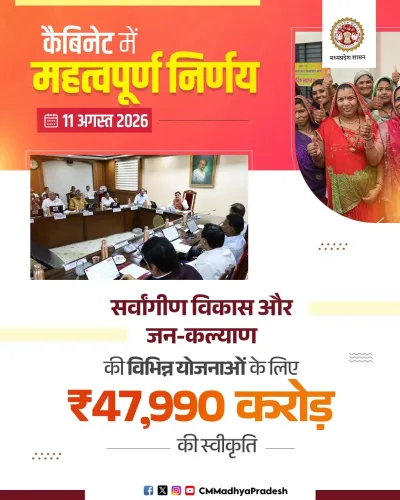
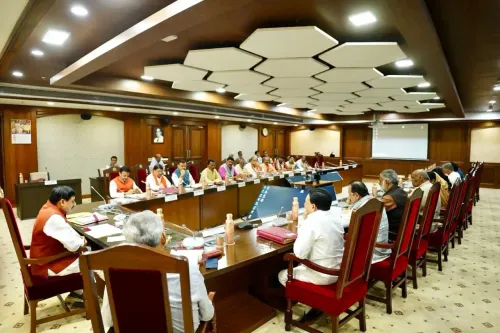
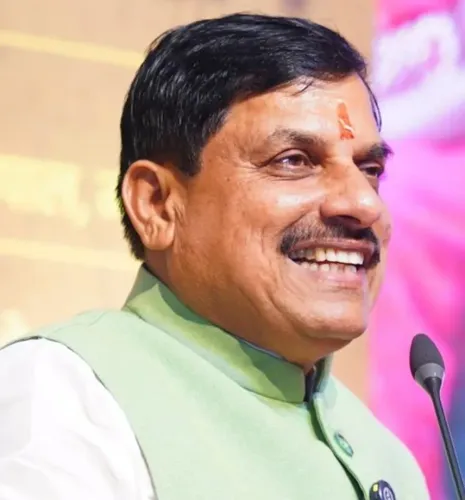
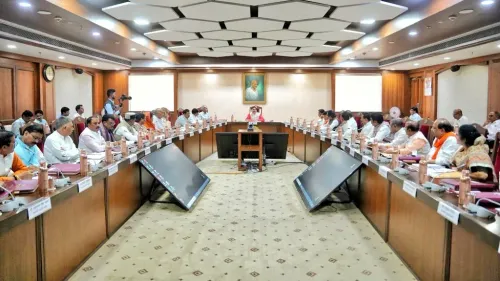
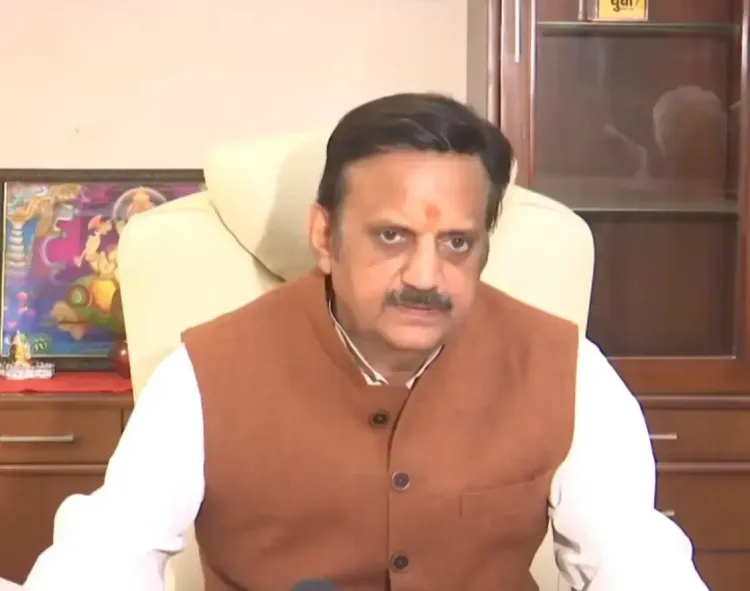
Bhopal, Dec 16 (NationPress) In a groundbreaking reform for the state government workforce, the Madhya Pradesh cabinet, led by Chief Minister Dr. Mohan Yadav, has eliminated the distinction between permanent and temporary employees. This simplification reduces employee classifications from ten categories, which included regular, contractual, outsourced, and part-time, down to just five, as stated by Rajendra Shukla, the deputy chief minister, after the cabinet meeting on Tuesday.
This decision aims to tackle longstanding issues concerning retirement benefits, probation periods, and job security disparities that have impacted thousands of workers across various departments.
Previously, the existing multi-tier system created inequalities in benefits, promotions, and social security, often putting contractual and temporary staff at a disadvantage.
The streamlined categories are designed to deliver uniform relief, improve administrative efficiency, and guarantee equitable treatment for all employees, according to the deputy chief minister.
Furthermore, the cabinet authorized a Rs 1,782 crore special rehabilitation package for families displaced by the Upper Narmada, Raghavpur, and Basania multipurpose projects located in Anuppur, Mandla, and Dindori districts.
These initiatives, with a total expenditure of Rs 5,512 crore, are expected to irrigate approximately 71,967 hectares and generate 125 MW of electricity, thereby enhancing agricultural productivity and power supply.
In another environmentally conscious decision, the government has allocated Rs 48 crore to establish six 'Van Vigyan Kendras (Forest Science Centres)' in the first phase between 2025-26 and 2029-30, modeled after Krishi Vigyan Kendras.
These centres will focus on promoting forestry extension, agroforestry, and income generation from non-forest areas, with NGOs permitted to establish them under the supervision of the Forest Department. The deputy chief minister emphasized that six such centres will be initiated, with further expansion based on need.
Other approvals included increasing the project index for the Chief Minister's Village Road Scheme, which enables Rs 693.76 crore for 3,810 projects, allocating Rs 90.67 crore for Bhopal-Indore Metro operations, and extending the Udyam Kranti Yojana until 2030-31 with Rs 95.25 crore for youth entrepreneurship loans.
The meeting also discussed the surge in industrial investments following the Global Investors Summit, with 30 percent of Rs 30 lakh crore proposals already materializing. These decisions represent a significant push towards employee welfare, rural development, and sustainable growth.
Point of View
This reform in Madhya Pradesh signifies a progressive step towards equitable treatment of government employees. By eliminating the distinctions between permanent and temporary staff, the state is addressing critical issues of job security and benefits. This move not only enhances employee welfare but also underscores the importance of fair treatment in public service. Such initiatives align with the broader national goals of sustainable growth and rural development.
NationPress
29 Sept 2026
Frequently Asked Questions
What changes were made to employee classifications in Madhya Pradesh?
The Madhya Pradesh cabinet has simplified employee classifications from ten categories to just five, eliminating the distinction between permanent and temporary employees.
What are the expected benefits of this reform?
This reform aims to address disparities in retirement benefits, job security, and promote equitable treatment for all government employees.
How much funding has been allocated for the rehabilitation package?
The cabinet approved a special rehabilitation package of Rs 1,782 crore for families displaced by various multipurpose projects.
What are the environmental initiatives mentioned?
The government has sanctioned Rs 48 crore to establish six 'Van Vigyan Kendras' to promote forestry and agroforestry.
What is the projected impact of the new projects?
The initiatives are expected to irrigate about 71,967 hectares and generate 125 MW of electricity, boosting agriculture and power supply.