MP CM Mohan Yadav Sets 100 Lakh MT Wheat Procurement Target
Synopsis
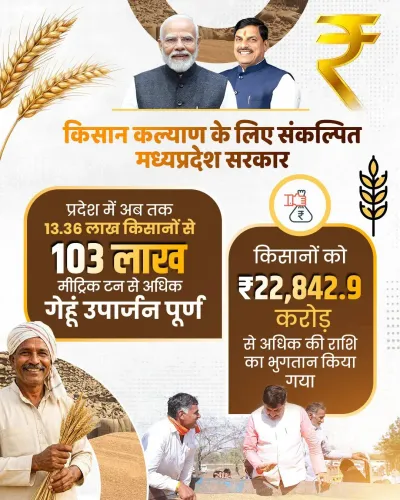
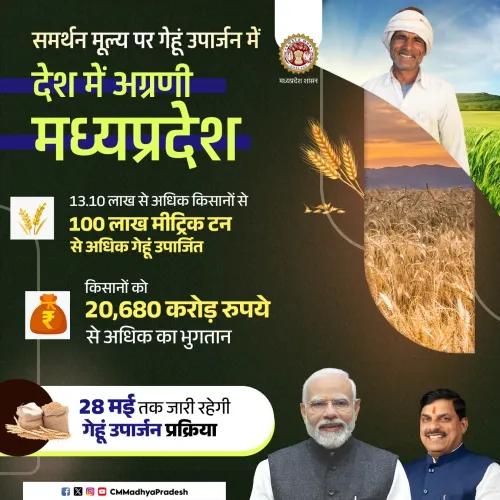
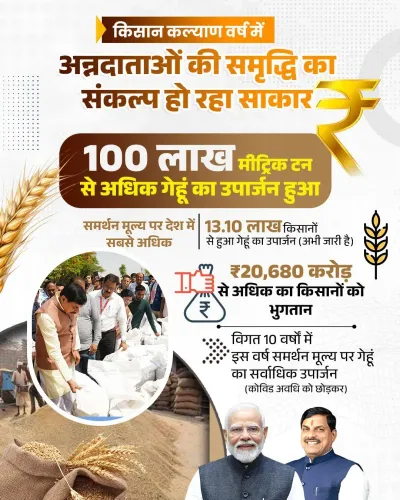
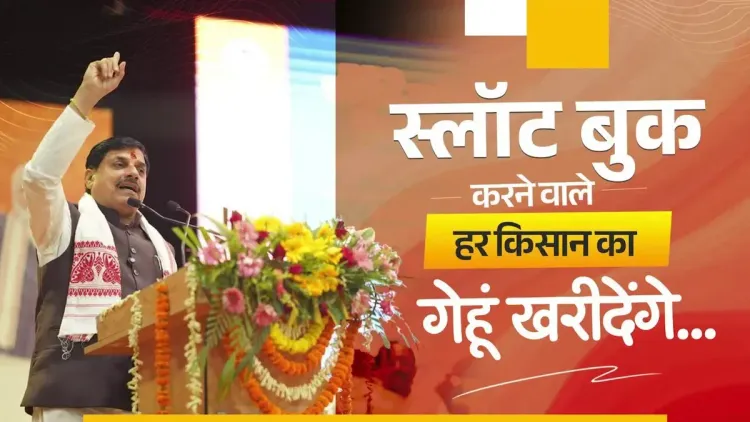
Chief Minister Dr. Mohan Yadav has announced that Madhya Pradesh will purchase wheat from every slot-booked farmer this season, setting a procurement target of 100 lakh metric tonnes — one of the state's most ambitious Rabi offtake goals in recent years.
Key Takeaways
The Chief Minister's Office of Madhya Pradesh announced the wheat procurement guarantee on 23 May 2026 .
Mohan Yadav pledged that every farmer who completed slot booking will have their wheat purchased by the state government.
The wheat procurement target for the current season has been raised to 100 lakh metric tonnes .
Madhya Pradesh uses a slot-booking system to manage orderly wheat offtake at Minimum Support Price during the Rabi harvest.
The announcement comes at the peak of mandi arrivals in May 2026 , when procurement pressure is highest.
Actual procurement volumes against the stated target will be the key indicator of delivery on this commitment.
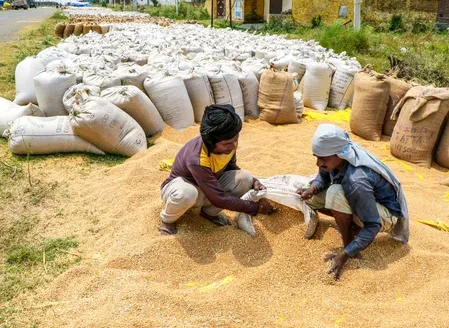
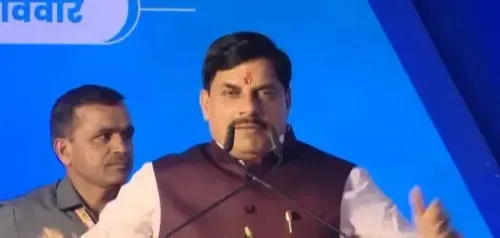
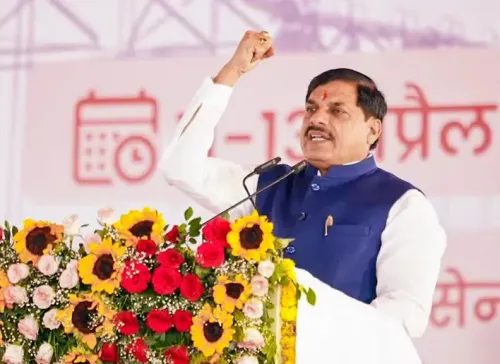
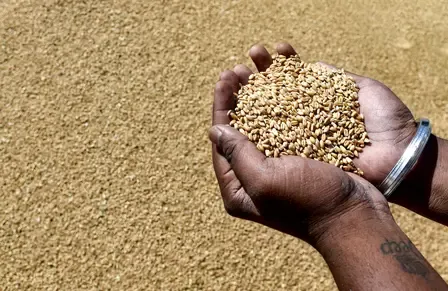
The Chief Minister's Office of Madhya Pradesh announced on Saturday, 23 May 2026, that every farmer who has completed slot booking during the ongoing wheat procurement drive will have their produce purchased by the state government, with the annual wheat procurement target raised to 100 lakh metric tonnes.
Context
The post, attributed to Chief Minister Dr. Mohan Yadav, states in Hindi: 'हमारी सरकार जो कहती है, करके दिखाती है' ('Our government delivers on what it promises'). The CM assured that no slot-booked farmer would be turned away, framing the procurement guarantee as a direct commitment of his administration. The announcement comes at the peak of the Rabi 2026 harvest season, when wheat arrivals at mandis across the state are at their highest.
Policy Backdrop
Madhya Pradesh has been one of India's most significant wheat-producing states for over a decade, consistently contributing large volumes to the national foodgrain pool through Minimum Support Price (MSP) operations. The state government operates a slot-booking mechanism that allows farmers to register in advance for procurement, ensuring orderly offtake and reducing mandi congestion. Successive state governments have revised procurement targets upward in line with rising production estimates, and this year's stated goal of 100 lakh metric tonnes represents the scale of the state's ambition in the current Rabi season.
The central MSP framework sets the floor price, while state governments operationalise the purchase through their own agencies, infrastructure, and logistics. Announcements of higher targets in the April-May window are a standard part of this cycle, serving both farmer income-support objectives and national food-stock building goals.
Stakeholders and Impact
The primary beneficiaries of this announcement are wheat farmers across Madhya Pradesh who have registered through the slot-booking system. The guarantee that every slot-booked farmer's wheat will be procured is intended to eliminate uncertainty during the harvest period, when delayed or incomplete purchases can force farmers into distress sales on the open market at prices below MSP. The state's agriculture ministry, tagged as @minmpkrishi in the post, is expected to coordinate ground-level procurement operations.
Broader stakeholders include state procurement agencies responsible for storage and logistics, as well as the central government's food security apparatus, which relies on state-level procurement to build buffer stocks. A successful high-volume procurement season in Madhya Pradesh would strengthen India's overall wheat reserve position.
What's Next
The key measure of success will be the actual quantity of wheat procured against the 100 lakh metric tonne target by the close of the procurement season. Observers will watch for any operational bottlenecks — including storage capacity, transportation, and payment timelines — that could affect farmer experience on the ground. Any revision to the central MSP or introduction of a state bonus on top of the floor price would also be a significant development to track in the coming weeks.
Point of View
Positioning the administration as farmer-first at a time when agrarian credibility matters deeply in a state like Madhya Pradesh. Raising the procurement target to 100 lakh metric tonnes is a significant public commitment that will be easy to audit: either the grain is lifted or it is not. The slot-booking guarantee is particularly notable because it shifts accountability from the farmer to the state machinery, a move that could build trust if executed well but invite sharp criticism if procurement falls short. This announcement fits a broader pattern of BJP-governed states using MSP operations as a visible welfare delivery mechanism in the run-up to political cycles.
NationPress
7 Oct 2026
Frequently Asked Questions
What is the Madhya Pradesh wheat procurement target for 2026?
The Madhya Pradesh government has set a wheat procurement target of 100 lakh metric tonnes for the 2026 Rabi season, as announced by Chief Minister Dr. Mohan Yadav.
What is slot booking in wheat procurement in MP?
Slot booking is a registration system used in Madhya Pradesh where farmers sign up in advance for a specific date and mandi to sell their wheat to the government at the Minimum Support Price, reducing congestion and ensuring orderly purchase.
Will every farmer who booked a slot get their wheat bought in MP?
CM Dr. Mohan Yadav has publicly guaranteed that every farmer who completed slot booking during the 2026 wheat procurement drive will have their produce purchased by the state government.
Who is in charge of wheat procurement in Madhya Pradesh?
The state agriculture ministry, working under the overall direction of Chief Minister Dr. Mohan Yadav , oversees wheat procurement operations in Madhya Pradesh in coordination with central government food agencies.
Why does Madhya Pradesh matter for India's wheat supply?
Madhya Pradesh is one of India's largest wheat-producing states and a major contributor to the national foodgrain pool, making its annual procurement performance critical for the country's food security and buffer stock position.