MP to form MSME Industrial Development Company for small firms
Synopsis
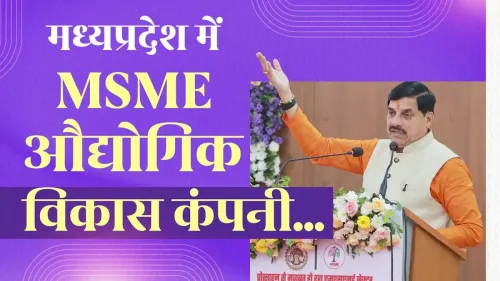
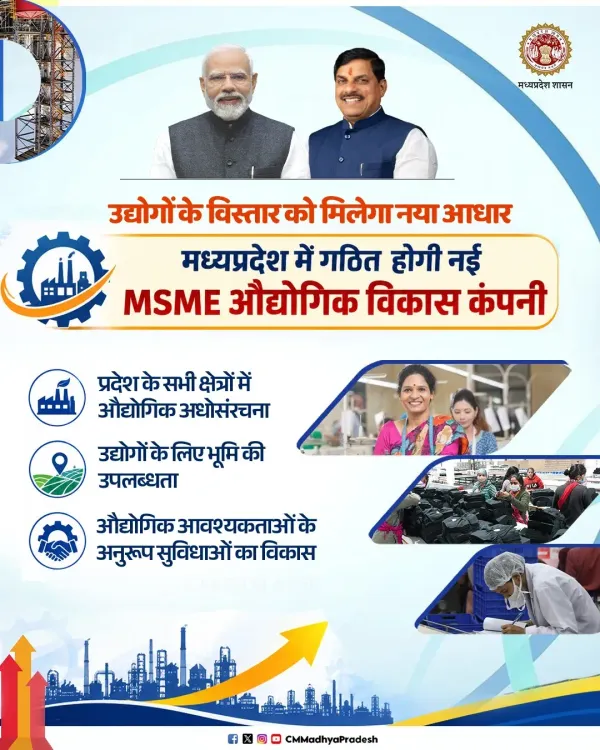
Madhya Pradesh's CMO announced the formation of an MSME Industrial Development Company to provide small and medium enterprises with better infrastructure, land, and essential facilities, signalling a focused institutional push for the state's manufacturing ecosystem.
Key Takeaways
Madhya Pradesh will establish an MSME Industrial Development Company to support micro, small, and medium enterprises.
The company will focus on ensuring better infrastructure, land availability, and essential facilities for small industries.
The announcement was made on November 4, 2026 by the Chief Minister's Office, tagging CM Dr.
The move aligns with a broader national trend of states creating dedicated agencies to cut procedural delays for MSMEs.
Formal cabinet approvals, budget allocations, and policy notifications are the next milestones to watch.
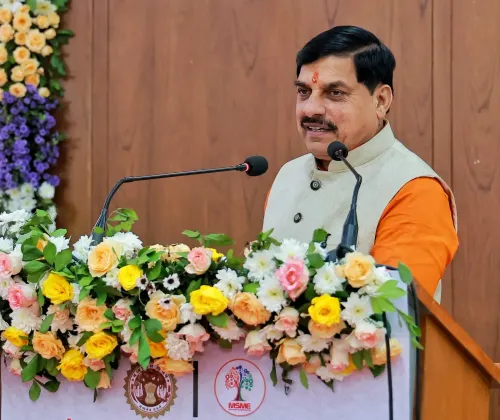
Madhya Pradesh is building a dedicated institutional backbone for its small industries. The Chief Minister's Office of Madhya Pradesh announced on Wednesday, November 4, 2026 that the state will establish an MSME Industrial Development Company — a new state entity designed to guarantee better infrastructure, land availability, and essential facilities for micro, small, and medium enterprises across the state.
What the new company is meant to fix
The announcement frames the company as 'support for small industries, new momentum for industrial development' — chhote udyogon ko sambal, audyogik vikas ko nayi gati. At its core, the entity is meant to solve a problem that has quietly strangled MSME growth for years: the absence of ready, well-serviced industrial land and reliable on-ground infrastructure. Small entrepreneurs often spend months — sometimes years — navigating land allotments, power connections, and road access before a single machine runs. A dedicated company, with a focused mandate, is intended to cut through that maze.
The post, shared by the official CMO account and tagging Chief Minister Dr. Mohan Yadav and the Ministry of MSME Madhya Pradesh, signals that this is a state-level priority being pushed from the top of the government.
MP's MSME push inside a national pattern
Madhya Pradesh is not moving alone. Several Indian states — including Tamil Nadu, Gujarat, and Telangana — have created dedicated industrial corporations or special-purpose vehicles specifically to streamline land allotment and plug infrastructure gaps for MSMEs, all as part of broader ease-of-doing-business reforms. MP has pursued targeted interventions in its manufacturing ecosystem alongside national MSME schemes, and this new company fits that arc precisely — moving from policy intent to institutional delivery.
The practical logic is straightforward: when a state agency owns the specific mandate of ensuring MSME-ready land and facilities, it removes the coordination burden from individual entrepreneurs and concentrates accountability in one place. That accountability, in theory, moves faster than a general-purpose department stretched across competing priorities.
What comes next — and why the details matter
The announcement establishes the direction; the work now shifts to the specifics. Cabinet approvals, formal incorporation documents, state budget allocations, and any associated policy notifications will determine whether the company becomes an operational engine or a headline. Watch for those notifications in the coming weeks — they will reveal the company's capitalisation, its mandate boundaries, and which districts or industrial clusters get priority attention first.
For the lakhs of MSME units operating across Madhya Pradesh — from textile clusters in Indore to agro-processing units in Jabalpur — the question is simple: will this company turn the promise of a plot and a power line into a reality they can actually build on?
Point of View
Which has been methodically building its ease-of-doing-business credentials, this fits a deliberate pattern of moving beyond policy announcements toward purpose-built delivery structures. The real test, however, will be capitalisation and execution speed; similar corporations in other states have delivered unevenly depending on how much operational autonomy and funding they actually received. If the company is backed by genuine budgetary muscle, it could meaningfully shift MP's MSME competitiveness over the medium term.
NationPress
4 Nov 2026
Frequently Asked Questions
What is the MSME Industrial Development Company in Madhya Pradesh?
It is a proposed state-level entity announced by the Madhya Pradesh government to ensure better infrastructure, land availability, and essential facilities for micro, small, and medium enterprises in the state.
Who announced the MSME Industrial Development Company for MP?
The announcement was made by the Chief Minister's Office of Madhya Pradesh, with Chief Minister Dr. Mohan Yadav tagged in the official post on November 4, 2026.
How will the MSME Industrial Development Company help small businesses?
It aims to remove key barriers for small industries — primarily by guaranteeing access to ready industrial land, reliable infrastructure, and necessary utilities — reducing delays that entrepreneurs currently face when setting up units.
Has any other Indian state formed a similar MSME development company?
Yes. Several states including Tamil Nadu, Gujarat, and Telangana have established dedicated agencies or corporations to streamline land allotment and infrastructure for MSMEs as part of ease-of-doing-business reforms.
What are the next steps after this announcement?
Cabinet approval, formal incorporation of the company, state budget allocations, and associated policy notifications are the key milestones that will determine the company's operational scope and timelines.