MP's Swamitva Yojana: 16 Lakh Free Registries Done
Synopsis
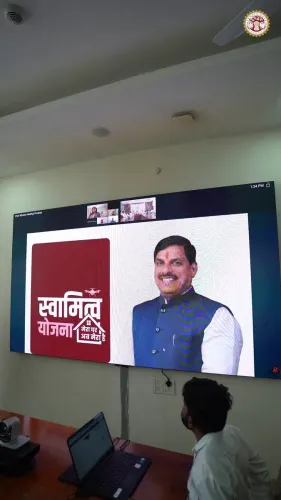
Madhya Pradesh has completed nearly 16 lakh free property registrations under the central Swamitva Yojana across all 55 districts, the CM's Office announced on 5 November 2026, marking a major milestone in formalising rural land ownership and enabling financial access for village households.
Key Takeaways
Approximately 16 lakh property registrations completed under Swamitva Yojana in Madhya Pradesh as of 5 November 2026.
Free registration drives are active across all 55 districts of the state simultaneously.
The Swamitva Yojana was launched by the Government of India in April 2020 , using drone surveys to map rural residential land.
Property cards issued under the scheme enable rural households to use residential land as collateral for bank loans.
Mohan Yadav , in office since December 2023, is overseeing the state-wide rollout.
Waiving stamp-duty and registration fees removes a key financial barrier for economically vulnerable rural families.
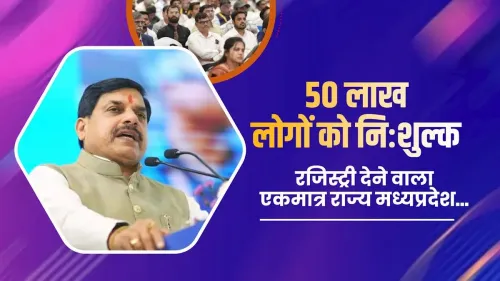
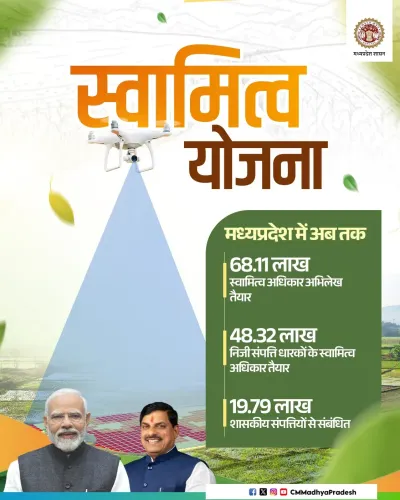
Sixteen lakh property registrations — and counting. The Chief Minister's Office of Madhya Pradesh announced on Thursday, 5 November 2026 that free property registrations under the Swamitva Yojana have crossed approximately 16 lakh in the state, with the drive now active across all 55 districts of Madhya Pradesh.
The post, tagged to Chief Minister Dr. Mohan Yadav, framed the milestone in pointed terms: 'संपत्ति का अधिकार, सम्मान का आधार' — 'the right to property is the foundation of dignity.' That phrase is not incidental. For rural households that have lived on land for generations without a single legal document to their name, a property card is exactly that: dignity, formalised on paper.
What Swamitva Yojana actually does for a village household
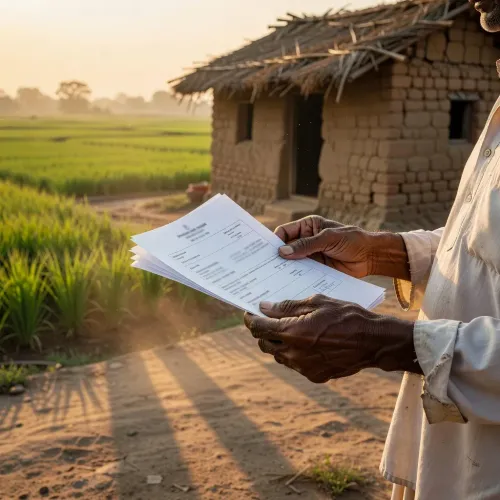
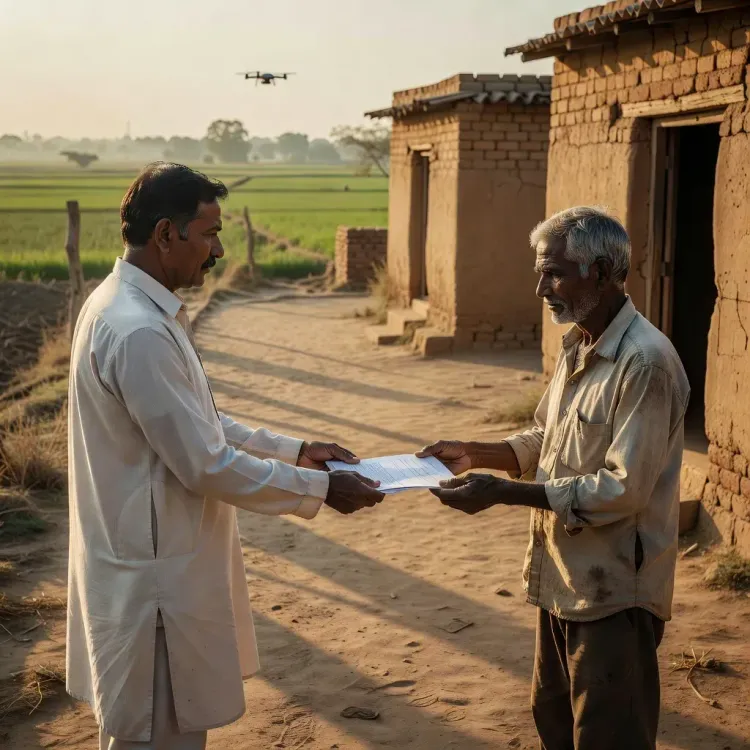
Launched by the Government of India in April 2020 under the Ministry of Panchayati Raj, the Swamitva Yojana uses drone surveys to map rural residential land and issue official property cards — called adhikar abhilekh — to homeowners in villages. Before this scheme, most rural households sat in a legal grey zone: they lived on the land, but had no registered title they could take to a bank.
That gap matters enormously. Without a title deed, a farmer cannot pledge residential property as collateral for a loan. Disputes over boundaries drag on for years. Inheritance becomes a source of conflict rather than continuity. The property card closes that gap — in one stroke converting informal occupancy into formal, documented ownership.
MP's all-55-district rollout — what makes it significant
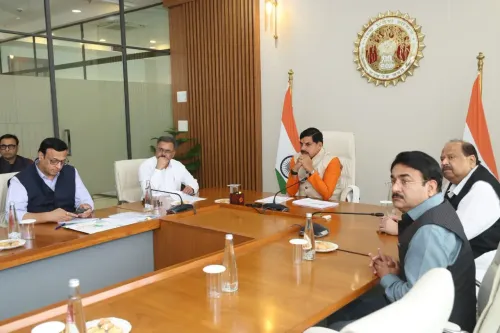
Scaling a central scheme uniformly across a state as large and administratively complex as Madhya Pradesh — 55 districts, hundreds of thousands of villages — is not straightforward. The fact that free registrations are now running in every district signals that the state has moved past the pilot phase into full execution mode under CM Dr. Mohan Yadav, who has led Madhya Pradesh since December 2023.
The 'free registration' component is worth underlining. Stamp-duty and registration fees have historically been a quiet barrier that kept poor rural families from formalising land records even when titles were available. Waiving those charges removes the last friction point for the most economically vulnerable beneficiaries.
Financial inclusion — the downstream prize
The bigger story beyond the registry count is what these property cards unlock. Village households holding recognised titles can now approach banks for loans against residential property — a channel that was effectively closed to them before. Rural panchayats, too, gain cleaner land records for local governance and planning. The scheme, at scale, is as much a financial-inclusion initiative as it is a land-records exercise.
Madhya Pradesh's milestone fits a national pattern of states accelerating Swamitva implementation, using it as a foundation for broader rural credit access. The next metric to watch: how many of these 16 lakh property-card holders actually translate their new legal status into bank loans — that number will tell us whether the right to property has truly become the foundation of prosperity.
Point of View
The scheme could measurably shift rural financial inclusion data in the state. The real policy test, however, is utilisation: title deeds sitting unused in homes do not translate into the economic empowerment the scheme promises.
NationPress
5 Nov 2026
Frequently Asked Questions
What is Swamitva Yojana and who is eligible?
Swamitva Yojana is a central government scheme launched in April 2020 that uses drone surveys to map rural residential land and issue official property cards to village households. Rural residents living on abadi (residential) land in villages are eligible to receive property cards under the scheme.
How many registrations has Madhya Pradesh completed under Swamitva Yojana?
According to the Chief Minister's Office, Madhya Pradesh has completed approximately 16 lakh free property registrations under the Swamitva Yojana as of 5 November 2026.
Is property registration under Swamitva Yojana free in Madhya Pradesh?
Yes. The Madhya Pradesh government is conducting free property registrations under the Swamitva Yojana across all 55 districts of the state, waiving the fees that would ordinarily apply to registration.
What can rural households do with the property card issued under Swamitva Yojana?
A property card issued under Swamitva Yojana serves as a legal ownership document that households can use to access bank loans by pledging their residential land as collateral, resolve boundary disputes, and pass on property through inheritance with legal clarity.
Which districts in Madhya Pradesh are covered under Swamitva Yojana?
All 55 districts of Madhya Pradesh are currently covered under the Swamitva Yojana, with free property registration work ongoing simultaneously across the entire state.