Mumbai AQI hits 322 'Very Poor' as Delhi logs best October 24 air in a decade
Synopsis
Mumbai's air quality crashed to AQI 322 on 24 October — triggering a Bombay High Court emergency declaration — while Delhi quietly recorded its cleanest 24 October in a decade at AQI 176. The twin data points expose a widening divide: Delhi's 'war mode' enforcement is showing early results, but Mumbai, long assumed safe behind sea breezes, is now confronting a pollution crisis it never built systems to handle.
Key Takeaways
Mumbai's AQI touched 322 ('Very Poor') on 24 October , driven by construction dust, garbage burning, low wind speeds, and crop-fire emissions.
The Bombay High Court declared an air-quality emergency and directed authorities to intensify enforcement against polluting activities.
Doctors reported a surge in headache, sore throat, and eye irritation cases; children and the elderly were advised to stay indoors.
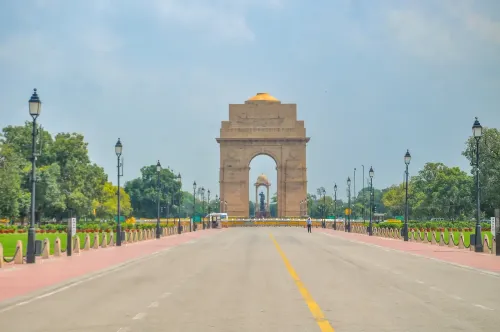
Delhi recorded an AQI of 176 (moderate) on the same date — its best 24 October reading in ten years .
Delhi officials credited 'war mode' measures — road sweeping, waste removal, and water sprinkling — but cautioned that stubble burning and winter could reverse gains.
Experts warned that Mumbai's deterioration signals a structural air-quality problem in coastal cities, not a one-off event.
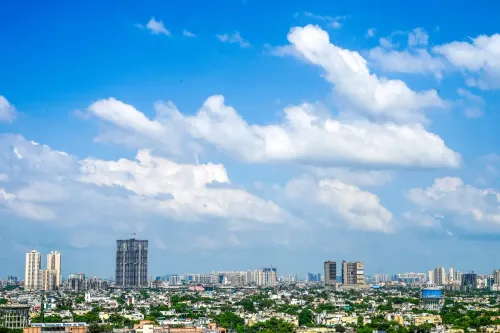
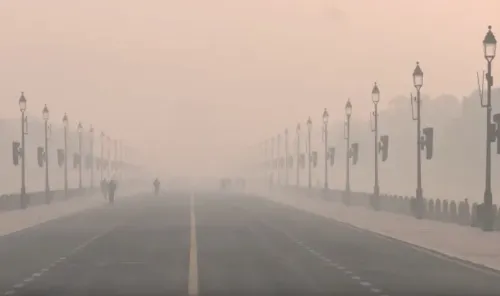
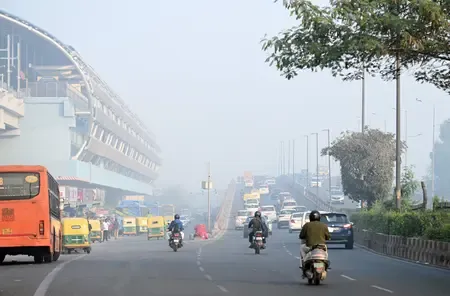
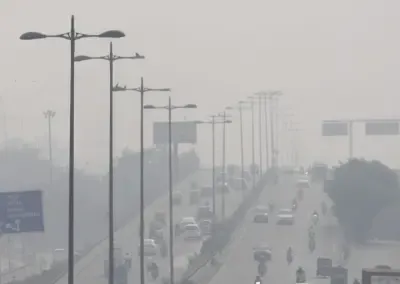
Mumbai's air quality plunged to an AQI of 322 — firmly in the 'Very Poor' category — on Saturday, 24 October, as a toxic mix of construction dust, garbage burning, sluggish winds, and crop-fire emissions from surrounding regions blanketed the city in thick haze. In a striking contrast, Delhi recorded a moderate AQI of 176 on the same date — its cleanest 24 October reading in ten years, according to air quality monitoring data.
What Is Driving Mumbai's Pollution Spike
Air quality monitors attributed Mumbai's deterioration to a convergence of multiple pollutant sources: unregulated construction activity, open garbage burning, low wind speeds that trapped particulate matter close to the surface, and residual smoke from post-Diwali firecrackers compounded by crop-fire emissions drifting in from neighbouring regions. Civic officials acknowledged the sudden spike, noting that several factors had simultaneously pushed the index into hazardous territory.
The health impact was immediate. Doctors reported a rise in complaints of headache, sore throat, and eye irritation among residents. Medical professionals advised vulnerable groups — particularly children and the elderly — to restrict outdoor exposure until conditions improved.
Bombay High Court Declares Emergency
The Bombay High Court, taking cognisance of the worsening air quality, declared an emergency and directed authorities to intensify enforcement against polluting activities. Environmental activists and citizen groups have demanded stricter monitoring of construction sites, a complete ban on open garbage burning, and improved inter-agency coordination to curb regional emissions. The court's intervention signals the urgency of the situation and adds legal pressure on civic bodies that critics argue have been slow to act.
Delhi's Rare Improvement — and the Caveats
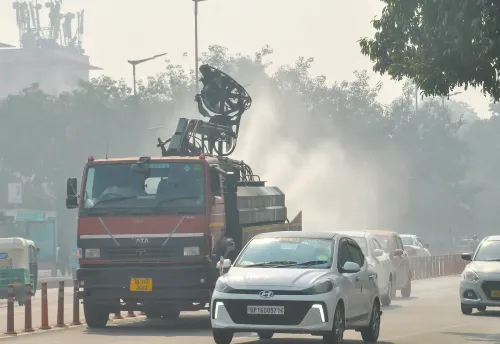
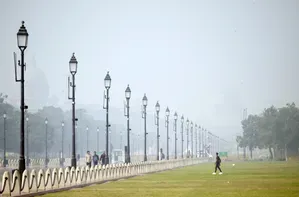
Delhi's AQI of 176 on 24 October placed it in the moderate category — a significant departure from previous years, when early-winter pollution typically begins to intensify around this date. Officials attributed the improvement to sustained efforts launched in what they described as 'war mode': continuous road sweeping, removal of construction and municipal waste, and extensive water sprinkling on roads and dust-prone areas.
Delhi's environment department credited coordinated action by civic agencies and the deployment of technology to identify and target pollution hotspots for keeping particulate levels in check. However, authorities cautioned that the gains remain fragile — the onset of winter and farm stubble burning in neighbouring states could rapidly reverse progress.
The Bigger Picture: Coastal Cities No Longer Immune
Experts noted that Mumbai's sudden decline challenges a long-held assumption that coastal cities, benefiting from sea breezes, are naturally insulated from the severe air-quality crises that afflict north Indian cities. The episode underscores the need for year-round pollution control strategies in cities like Mumbai that have historically lacked robust air-quality infrastructure. Notably, this is not an isolated event — Mumbai has recorded worsening AQI readings in recent post-monsoon seasons, pointing to a structural deterioration rather than a one-off spike.
Both cities continue to face sustained public pressure for stronger, more consistent enforcement of environmental norms. How authorities respond in the coming weeks — particularly as winter approaches — will determine whether Delhi's improvement holds and whether Mumbai can reverse its alarming trajectory.
Point of View
And that complacency is now visible in an AQI of 322 and a High Court emergency declaration. Delhi's improvement, while genuinely encouraging, is fragile and season-dependent; the real test comes in November when stubble smoke arrives. The deeper story here is that India's air-quality governance remains reactive: courts intervene, agencies scramble, and the cycle repeats. Until cities like Mumbai build year-round monitoring and enforcement infrastructure — not just post-crisis task forces — the numbers will keep worsening.
NationPress
25 Oct 2026
Frequently Asked Questions
What is Mumbai's AQI today and why is it so high?
Mumbai's Air Quality Index reached 322 on 24 October , placing it in the 'Very Poor' category. The spike was caused by a combination of construction dust, open garbage burning, sluggish wind speeds, and crop-fire emissions drifting in from surrounding regions, compounded by residual firecracker smoke.
What action has the Bombay High Court taken on Mumbai's air pollution?
The Bombay High Court declared an air-quality emergency on 24 October and directed authorities to step up enforcement against polluting activities. The court's intervention came after Mumbai's AQI touched 322, prompting widespread health complaints from residents.
Why is Delhi's air quality better than Mumbai's right now?
Delhi recorded a moderate AQI of 176 on 24 October — its best reading for that date in ten years — following sustained 'war mode' anti-pollution measures including continuous road sweeping, waste removal, and water sprinkling. Mumbai, by contrast, lacked comparable year-round enforcement infrastructure.
What are the health risks of Mumbai's current air quality?
At AQI 322 ('Very Poor'), prolonged exposure can cause respiratory distress, aggravate asthma, and irritate the eyes and throat. Doctors have specifically advised children, the elderly, and those with pre-existing conditions to limit outdoor exposure until the index improves.
Will Delhi's improved air quality last through winter?
Authorities have cautioned that Delhi's gains are fragile. The onset of winter and farm stubble burning in neighbouring states — typically peaking in November — could rapidly push the AQI back into the 'Very Poor' or 'Severe' categories, as has happened in previous years.