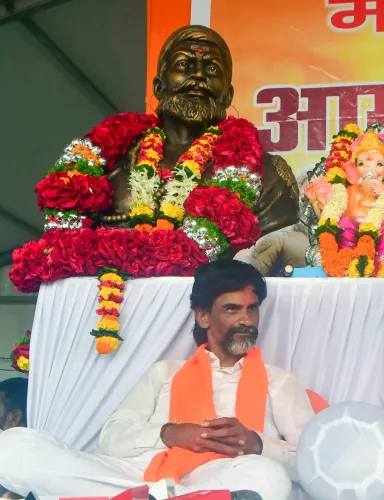
Mumbai Police rejects Manoj Jarange's Azad Maidan fast plea a second time
Synopsis
Mumbai Police has denied Manoj Jarange Patil permission to fast at Azad Maidan for the second time, citing Ganeshotsav security concerns and the risk of lakhs of protesters overwhelming South Mumbai's hospitals and courts. With Jarange vowing to march alone from Antarwali Sarati on 15 September and lawyers eyeing a High Court challenge, the Maratha reservation standoff is heading toward a high-stakes confrontation.
Key Takeaways
Mumbai Police rejected Manoj Jarange Patil's Azad Maidan fast-to-death request for the second consecutive time .
The proposed hunger strike was to begin on 19 September , centred on Maratha reservation demands.
Authorities cited unauthorised parking of roughly 5,000 vehicles during past protests and Ganeshotsav security concerns as reasons for refusal.
The 7,000-sq-metre Azad Maidan zone can hold a maximum of 5,000 protesters under 2025 guidelines — far fewer than the lakhs Jarange has mobilised before.
Jarange Patil says he will march from Antarwali Sarati on 15 September and fast alone; legal advisers may challenge the ban in the Bombay High Court .
Revenue Minister Chandrashekhar Bawankule appealed for peace and separately announced a new Land Titling Act and drought-data review across 18 districts .
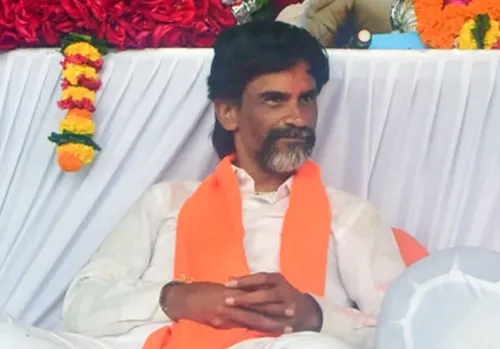
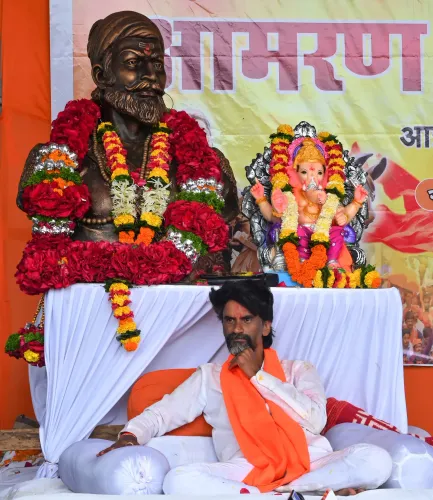
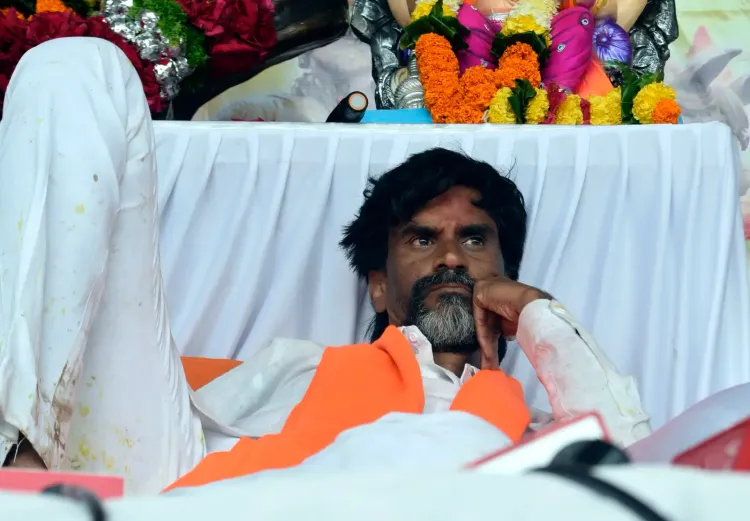
Mumbai Police has for the second consecutive time denied permission to Maratha quota activist Manoj Jarange Patil for a proposed fast-to-death at Azad Maidan, deepening uncertainty over his planned hunger strike scheduled to begin on 19 September. The latest rejection deals a significant blow to the agitation centred on long-pending Maratha reservation demands.
Why Permission Was Refused
Authorities cited severe traffic congestion and law-and-order concerns stemming from previous protests, during which roughly 5,000 vehicles parked without authorisation across South Mumbai. The ongoing 10-day Ganeshotsav festival, which commenced on 14 September, has further heightened security sensitivity across the city, prompting a firm stance on Azad Maidan.
Under 2025 guidelines, the designated 7,000-square-metre area at Azad Maidan can accommodate a maximum of 5,000 protesters. Jarange Patil, however, has called for lakhs of supporters to assemble — a scale that authorities say could disrupt operations at critical South Mumbai healthcare facilities including G.T. Hospital, Cama Hospital, St. George Hospital, and Bombay Hospital, in addition to courts and key financial institutions.
Police noted that alternative venues could be considered after the conclusion of the Ganeshotsav festival, but maintained a strict position on Azad Maidan at this stage.
Jarange Patil's Next Move
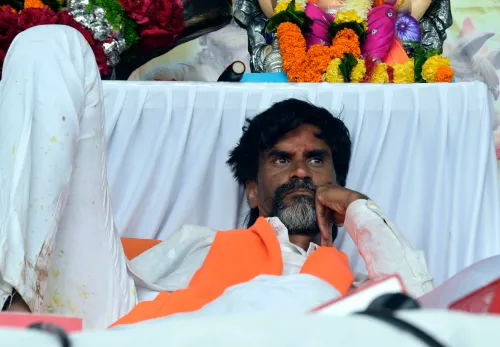
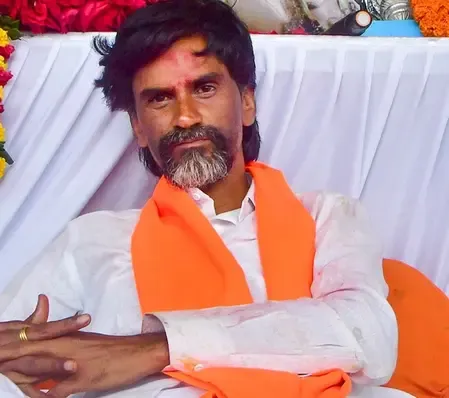
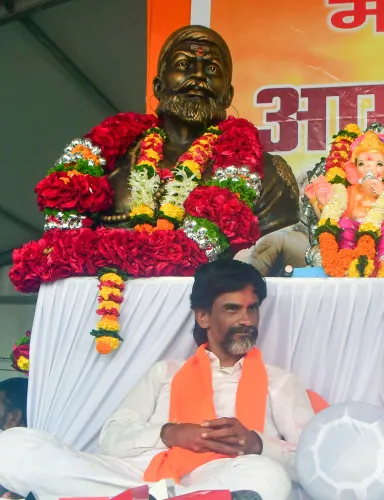
Despite the back-to-back rejections, Jarange Patil has declared he will not stand down. He announced plans to begin a march from Antarwali Sarati toward Mumbai on 15 September and proceed to fast alone, directing other supporters to stay back in order to prevent escalation. His legal advisers are reportedly exploring a challenge to the police decision before the Bombay High Court.
This is at least the second time police have turned down the activist's application to use Azad Maidan, a pattern that has become a flashpoint in the prolonged Maratha reservation movement. The uncertainty over the planned Mumbai march and hunger strike now places all of Maharashtra on watch for Jarange Patil's response.
What the Government Said
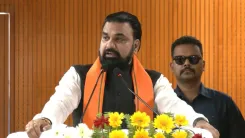
State ministers and political leaders have urged Jarange Patil to call off the protest in view of the festive season. Revenue Minister Chandrashekhar Bawankule appealed for restraint, stating: 'These holy days of Ganeshotsav are for collective resolve and unity, not for agitations. We must ensure that nothing tarnishes the peace and progress of Maharashtra during this period.'
Separately, Minister Bawankule outlined several administrative developments: the state government is set to introduce a Land Titling Act making official land measurement mandatory before property registration to protect land rights; data on drought-like conditions across 18 districts will be placed before the Cabinet; and re-surveys have been ordered in areas that recently received good rainfall to accurately assess agricultural impact.
Broader Context
The Maratha reservation demand has been a politically charged issue in Maharashtra for several years, with Jarange Patil emerging as one of its most prominent faces. His hunger strikes have previously drawn massive public mobilisation and forced government responses. This comes amid the state government navigating a delicate balance between the ongoing festive period, public order, and a community agitation that commands wide support across the state. With the 19 September deadline approaching and no venue agreement in sight, the standoff appears set to intensify.
Point of View
Or allow it and face legitimate public-order concerns during one of Mumbai's busiest festival periods. What is missing from official communication is any credible roadmap on Maratha reservation itself — without which each hunger strike becomes an unavoidable cycle. Jarange Patil's decision to march alone is tactically shrewd; it shifts moral optics firmly in his favour and limits the government's ability to cite crowd-size risks. The Bombay High Court angle, if pursued, could further constrain the state's room to manoeuvre.
NationPress
14 Sept 2026
Frequently Asked Questions
Why has Mumbai Police denied Manoj Jarange Patil permission to fast at Azad Maidan?
Mumbai Police refused permission citing severe traffic disruption caused during past protests — with roughly 5,000 vehicles parked unauthorisedly across South Mumbai — and heightened security requirements during the 10-day Ganeshotsav festival that began on 14 September. Authorities said alternative venues could be considered after the festival concludes.
What is Manoj Jarange Patil's hunger strike about?
Jarange Patil is demanding the implementation of long-pending Maratha reservation — reservations in government jobs and education for the Maratha community in Maharashtra. He has been a prominent face of the agitation, having previously conducted hunger strikes that drew massive public mobilisation and government responses.
What will Manoj Jarange Patil do now that permission has been denied again?
Jarange Patil has declared he will proceed regardless, marching from Antarwali Sarati toward Mumbai on 15 September to fast alone and directing other supporters to stay back. His legal advisers are reportedly exploring a Bombay High Court challenge to overturn the police refusal.
How many protesters can Azad Maidan accommodate under current rules?
Under the 2025 guidelines, the designated 7,000-square-metre area at Azad Maidan can hold a maximum of 5,000 protesters. Jarange Patil has called for lakhs of supporters — a scale authorities say would disrupt nearby hospitals, courts, and financial centres in South Mumbai.
What has the Maharashtra government said about the protest?
State ministers have urged Jarange Patil to call off the agitation during the festive season. Revenue Minister Chandrashekhar Bawankule appealed for harmony, saying Ganeshotsav is a time for unity rather than agitation. Bawankule also separately announced a new Land Titling Act and a Cabinet review of drought conditions across 18 districts.