Is Pollution a Major Concern in Mumbai? Ajit Pawar Speaks Ahead of BMC Polls
Synopsis
As the BMC elections approach, Ajit Pawar emphasizes the NCP's commitment to development and addressing pollution in Mumbai. He asserts that their manifesto focuses on improving urban living standards, with a strong commitment to effective implementation rather than mere promises. Discover the pressing issues facing Mumbai as elections draw near.
Key Takeaways
Pollution is a critical issue in Mumbai.
NCP’s manifesto focuses on tangible development.
Urban living standards must be improved.
Employment opportunities should be merit-based.
Local elections differ from state elections.
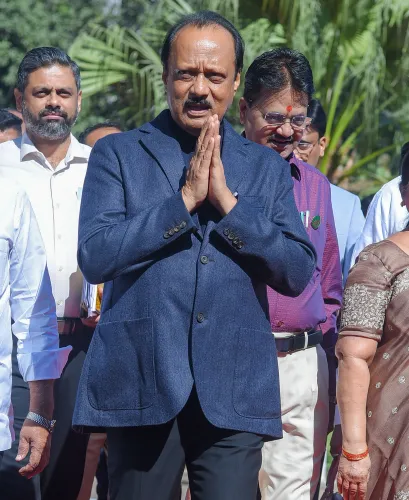
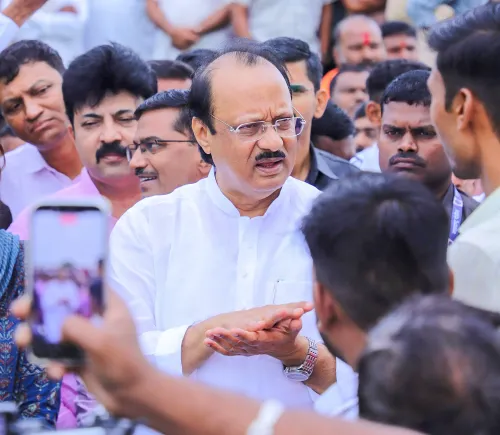
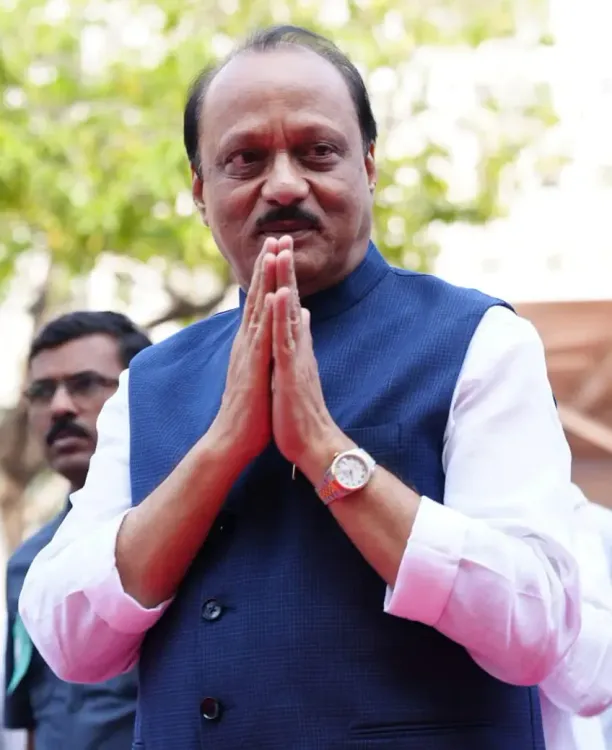
Mumbai, Jan 12 (NationPress) As the Brihanmumbai Municipal Corporation (BMC) elections approach on January 15, Nationalist Congress Party (NCP) leader and Maharashtra Deputy Chief Minister Ajit Pawar emphasized that the party's primary focus is on development. He stated that their goal goes beyond mere promises; they aim for tangible results. Notably, he highlighted that pollution is a critical issue in metropolitan areas like Mumbai, which requires urgent attention.
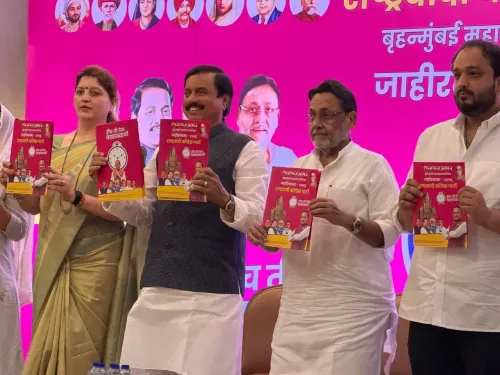
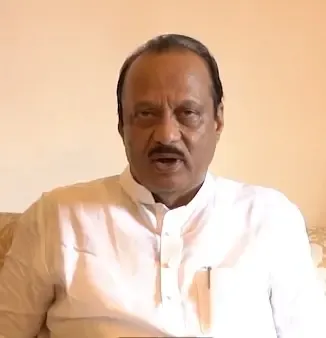
In an exclusive interview with IANS, Pawar discussed the essential priorities outlined in the NCP’s manifesto, addressing concerns related to governance, alliances, and urban challenges in Maharashtra.
He declared, “This year’s manifesto showcases our unwavering commitment to enhancing urban living standards. Access to clean drinking water, daily cleanliness, well-maintained roads, and effective traffic management are paramount. Additionally, quality medical facilities must be available to all citizens.”
Pawar reiterated that pollution poses a severe risk to public health in major cities like Mumbai.
“We are prioritizing pollution control, which has increasingly become a significant concern. Rising pollution levels are leading to various health issues among the population. These challenges are clearly represented in our manifesto. Our objective is not merely to promise but to ensure successful execution,” he asserted.
When confronted with criticism about the delayed provision of civic amenities, Pawar defended his record, referencing his extensive experience in Pimpri-Chinchwad.
“Having served in the Pimpri-Chinchwad Municipal Corporation for approximately 25 years, the accomplishments during that period are verifiable. The development there has earned Pimpri-Chinchwad recognition as one of the best-managed cities,” he stated.
“Previously, Pimpri was regarded as the wealthiest municipal corporation in Asia. Unfortunately, the current situation is starkly different, with pending bills totaling nearly Rs 4,000 crore and issued municipal bonds indicating a lack of funds,” he added.
Pawar acknowledged the challenges posed by financial constraints in delivering effective civic services.
“Residents are struggling with inadequate water supply, deteriorating roads, and service delivery gaps. These matters demand immediate resolution,” he noted.
He emphasized that development must be equitable and just.
“Employment opportunities should be based on merit and qualifications. Development cannot be exclusive; it must be inclusive, transparent, and sustainable,” he stated.
Pawar also addressed the absence of alliances with the BJP and Shiv Sena in Pune and Pimpri-Chinchwad, despite being part of the ruling coalition at the state level.
“Local body elections operate differently than Assembly or Lok Sabha elections. From 1999 to 2014, we contested local body polls independently, which is not a new phenomenon,” he explained.
“Every political party possesses its own grassroots workers, all seeking opportunities for their members. This leads to independent contests in municipal elections,” he added.
Regarding alliances with the Shiv Sena faction led by Eknath Shinde in Ambernath, Pawar remarked that such arrangements are typical in local elections across Maharashtra.
“Throughout the state, numerous instances reflect this. In 29 municipal corporations, alliances vary greatly from one area to another. In some regions, Shiv Sena and BJP collaborate, while in others, the two NCP factions work together,” he mentioned.
“This is a common occurrence in local body elections. With polling just days away, I urge citizens to concentrate on pressing issues such as water supply, cleanliness, quality of services, and overall development,” Pawar concluded.
Pawar dismissed concerns that differing alliances might confuse voters, assuring that citizens understand the distinction between local and higher-level elections.
“This does not lead to confusion. Parliamentary and Assembly elections are distinct. People possess the maturity to comprehend these differences. Ultimately, voters will choose based on who can deliver development and better serve their community,” he stated.
Point of View
The issues raised by Ajit Pawar regarding pollution and urban governance in Mumbai are crucial. The focus on authentic development and civic responsibility demonstrates a commitment to addressing pressing challenges that affect citizens' daily lives. As the elections approach, it is vital for voters to discern candidates' genuine intentions and their capacity for effective governance.
NationPress
24 Sept 2026
Frequently Asked Questions
What are the key issues highlighted by Ajit Pawar?
Ajit Pawar highlighted pollution as a major concern affecting public health, the need for clean drinking water, daily cleanliness, and well-maintained roads.
How does Ajit Pawar defend his record?
Pawar defends his extensive experience in municipal governance, specifically citing his 25 years of service in Pimpri-Chinchwad, which has been recognized as a well-managed city.
What is the NCP's stance on development?
The NCP emphasizes that development should be inclusive, transparent, and based on merit, ensuring opportunities for all.
Are local body elections different from state elections?
Yes, Pawar notes that local body elections operate independently from Assembly or Lok Sabha elections, often leading parties to contest separately.
What is the current financial situation in Pimpri-Chinchwad?
Pawar states that the municipality is facing significant financial challenges, with pending bills of nearly Rs 4,000 crore and issued municipal bonds, affecting service delivery.