CM Office: NABARD-backed women's gram shop launched in Bhimtal
Synopsis
The Chief Minister's Office of Uttarakhand spotlighted the Daksh Self Help Group in Bakhli village, Bhimtal block, where women have dedicated a NABARD-backed gram shop to their journey toward self-reliance — a model aligned with Atmanirbhar Bharat and NABARD's decades-long SHG-Bank Linkage Programme.
Key Takeaways
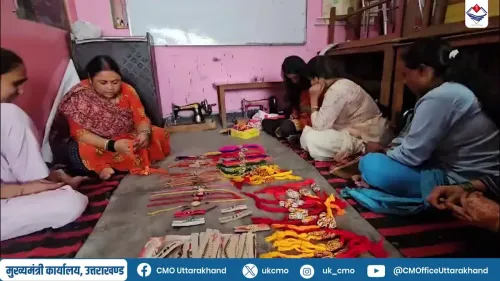
The Daksh Swayam Sahayata Samuh , a women-run SHG in Bakhli village, Bhimtal block, Nainital district , has been given a dedicated gram shop.
The initiative is backed by NABARD , India's apex rural development bank, under its SHG-Bank Linkage Programme operational since 1992 .
The gram shop model converts SHG savings and credit into a small retail enterprise, providing income and community access to essentials in a remote hill village.
The announcement aligns with the Atmanirbhar Bharat Abhiyan (launched May 2020 ) and DAY-NRLM (rolled out 2011 ), both of which use SHGs as vehicles for rural self-reliance.
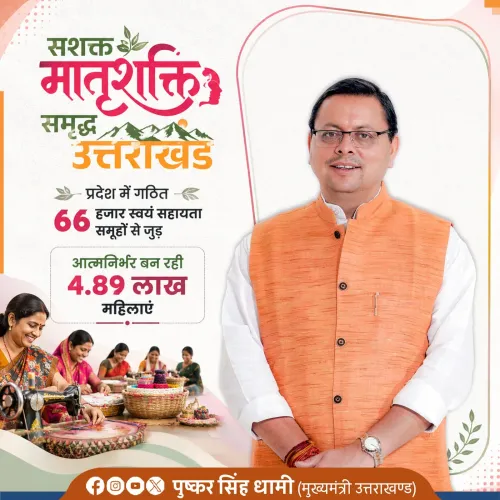
The Uttarakhand CM's Office publicly amplified the initiative, signalling state-level political support for women-led micro-enterprise in hill districts.
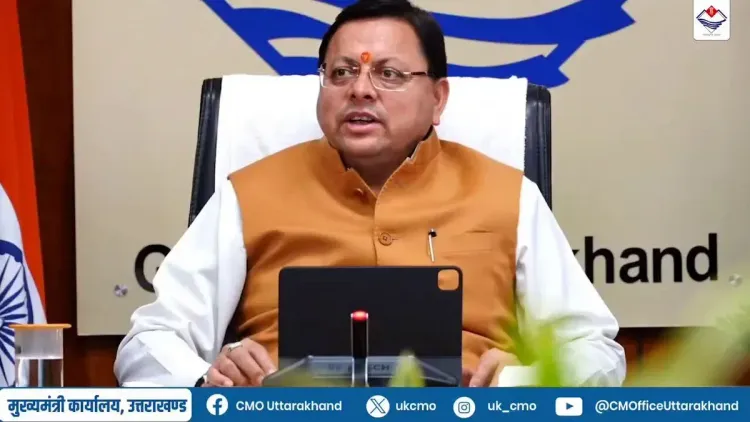
The Chief Minister's Office of Uttarakhand on Wednesday, 27 May 2026 highlighted a milestone in rural women's empowerment, announcing that a gram dukan (village shop) in Bakhli village, Bhimtal block, has been dedicated to the women-run Daksh Self Help Group — supported by NABARD — as part of the group's drive toward economic self-reliance.
Context
The post states that in Bhimtal development block, a Bakhli gram dukan (Bakhli village shop) has been dedicated to the efforts of the Daksh Swayam Sahayata Samuh — a women-operated self-help group — toward becoming aatmnirbhar (self-reliant), with NABARD's collaboration. The announcement was made under the hashtags #WomenEmpowerment, #Entrepreneurship, #SHG, #AatmnirbharBharat, and #Nainital, signalling the state government's intent to spotlight grassroots enterprise in hill villages.
Bakhli is a small settlement in Nainital district, a Himalayan district in Uttarakhand where NABARD-supported programmes have long targeted women-led micro-enterprises. The gram shop model converts SHG savings and credit into a small retail outlet serving the local community while generating income for its women members.
Policy Backdrop
NABARD launched its SHG-Bank Linkage Programme in 1992, making it India's longest-running instrument for channelling formal bank credit to informal women's collectives in rural areas. The programme has been a cornerstone of rural finance in hill states like Uttarakhand, where geography limits access to conventional banking.
The Deendayal Antyodaya Yojana–National Rural Livelihoods Mission (DAY-NRLM), rolled out in 2011, further scaled SHG formation and credit linkage across the country, including in Nainital district. The Atmanirbhar Bharat Abhiyan, announced in May 2020, reinforced this architecture by explicitly linking SHGs and village enterprises to the national goal of local self-reliance and reduced dependence on external supply chains.
Stakeholders and Impact
The primary beneficiaries are the women members of the Daksh Self Help Group in Bakhli, who now operate a dedicated village shop — a tangible asset that translates collective savings and NABARD credit support into a sustainable livelihood. For the broader community, a locally managed gram shop can improve access to daily essentials in a remote hill village.
The announcement reflects a recurring pattern across Uttarakhand: state and central agencies using NABARD-backed SHGs as the primary vehicle for rural women's economic participation. The model is particularly significant in the hill economy, where women form the backbone of agricultural and household labour but have historically had limited access to formal markets or credit.
What's Next
Observers will watch the state-level review of NABARD–Uttarakhand MoUs for 2026-27 to see whether more Bhimtal-type gram shops are incorporated into the next annual action plan of DAY-NRLM. Scaling the Bakhli model to other remote blocks in Nainital and neighbouring districts could serve as a template for converting SHG savings into viable village enterprises.
The Uttarakhand government's public amplification of such ground-level successes also signals a broader political commitment to women-led rural enterprise ahead of state-level policy reviews — reinforcing Atmanirbhar Bharat's emphasis on self-sustaining local economies.
Point of View
The state government simultaneously claims credit for local implementation while aligning with New Delhi's self-reliance narrative. This pattern of amplifying micro-enterprise success stories in hill districts has historically preceded state budget announcements or MoU renewals with NABARD, suggesting the Bakhli gram shop may be a precursor to a broader policy push. The broader arc points to Uttarakhand deepening its use of SHGs not just as credit vehicles but as retail and service anchors in geographically isolated communities.
NationPress
19 Sept 2026
Frequently Asked Questions
What is the Daksh Self Help Group in Bhimtal?
The Daksh Swayam Sahayata Samuh is a women-operated self-help group based in Bakhli village, Bhimtal development block, Nainital district, Uttarakhand, which has been supported by NABARD to run a dedicated gram dukan (village shop) as a livelihood enterprise.
What is NABARD's role in women's SHGs in Uttarakhand?
NABARD, India's apex rural development bank, has run the SHG-Bank Linkage Programme since 1992, channelling formal bank credit to informal women's collectives; in Uttarakhand it supports rural livelihood projects including gram shops in hill districts like Nainital.
What is the Atmanirbhar Bharat connection to SHGs?
The Atmanirbhar Bharat Abhiyan, announced in May 2020, explicitly linked self-help groups and village-level enterprises to the national goal of local self-reliance, making SHG-run gram shops a recognised instrument of the campaign.
What is a gram dukan and how does it help rural women?
A gram dukan is a village shop run by an SHG that converts the group's collective savings and NABARD credit into a small retail outlet, generating income for women members while improving access to daily essentials in remote hill communities.
What is DAY-NRLM and how does it support SHGs in Uttarakhand?
The Deendayal Antyodaya Yojana–National Rural Livelihoods Mission, rolled out in 2011, is a central government programme that scales SHG formation and credit linkage across India, including in Nainital district, complementing NABARD's long-running bank linkage scheme.