Nadda calls organ donation 'highest act of human service' at Uttarakhand event
Synopsis
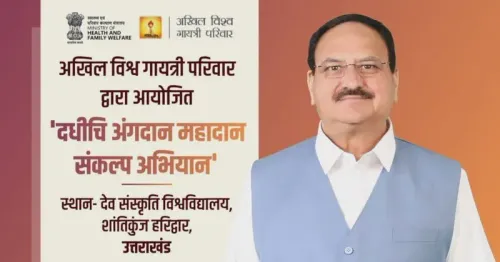
Union Health Minister J.P. Nadda addressed an organ donation awareness event in Uttarakhand on 27 June 2026, calling it 'the highest act of human service'. Experts, physicians, social workers, and spiritual practitioners from across India attended, and many formally pledged to donate organs. The event reflects India's ongoing effort to lift its historically low deceased donation rate.
Key Takeaways
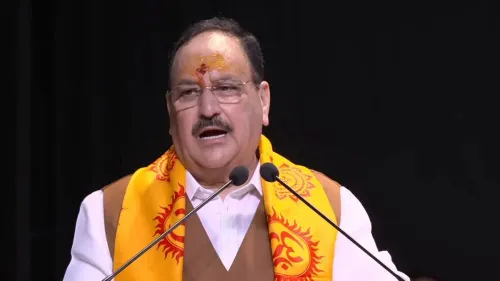
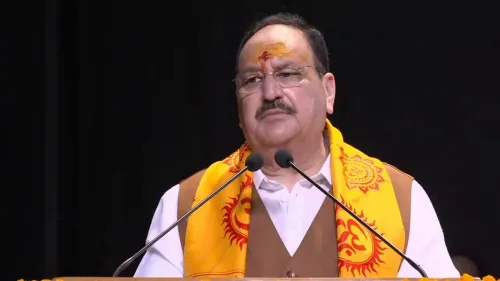
Nadda , Union Minister of Health and Family Welfare, described organ donation as 'the highest act of human service' at the event.
Participants included experts, physicians, social workers, and sadhaks (spiritual practitioners) drawn from across India .
Multiple attendees formally pledged to donate their organs for human service.
India's deceased organ donation rate remains under one per million population , one of the lowest globally despite a decade of legislative reform.
The National Organ and Tissue Transplant Organisation (NOTTO) , set up in 2014 , coordinates organ procurement and distribution nationally.
The Transplantation of Human Organs and Tissues Act , amended in 2011 , expanded the donor pool and simplified registration procedures.
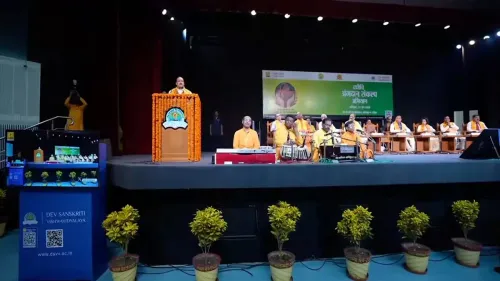
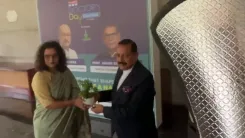
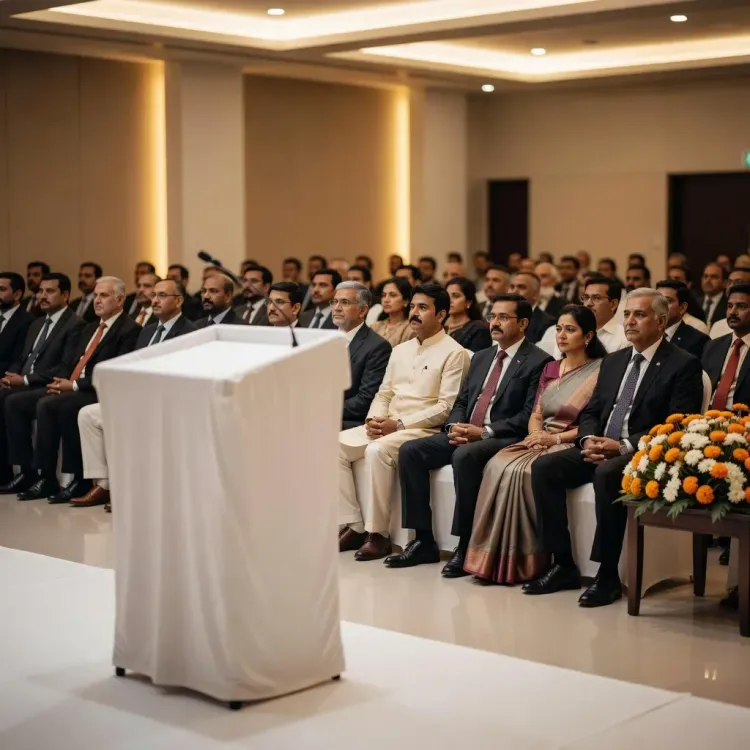
The Chief Minister's Office of Uttarakhand shared highlights on Saturday, 27 June 2026 from an organ donation awareness event hosted in the state, where Union Health Minister J.P. Nadda addressed experts, physicians, social workers, and spiritual practitioners gathered from across the country to deliberate on the importance of organ donation.
What was said
J.P. Nadda, the Union Minister of Health and Family Welfare, declared that organ donation is 'manav seva ka sarvochch karya' — 'the highest act of human service'. His remarks set the tone for an event at which numerous attendees formally pledged to donate their organs. The post noted that experts, physicians, social workers, and spiritual seekers (sadhaks) from across India shared their perspectives on the significance of organ donation.Context
India continues to record one of the world's lowest deceased organ donation rates — under one donor per million population — despite having legislative and institutional frameworks in place for over a decade. The country's Transplantation of Human Organs and Tissues Act, amended in 2011, was designed to expand the donor pool and simplify registration. Yet the gap between the number of patients awaiting transplants and the organs available remains vast, making awareness campaigns a recurring public health priority for both central and state governments.Policy backdrop
The National Organ and Tissue Transplant Organisation (NOTTO), established in 2014 under the Union Health Ministry, serves as the apex body coordinating organ procurement and distribution across India's regional networks. Uttarakhand, as a Himalayan state with a growing health infrastructure, periodically hosts such awareness programmes that bring together national expertise and state health machinery. Events of this nature aim to normalise voluntary pledging and reduce the cultural hesitancy that health officials identify as a primary barrier to donation.Stakeholders and impact
The primary beneficiaries of any sustained rise in organ donation rates are the tens of thousands of patients across India who are on transplant waiting lists for kidneys, livers, hearts, and lungs. Social workers and sadhaks participating alongside medical professionals signals a deliberate strategy to engage community and spiritual networks — groups that carry significant influence over personal and family decisions around donation. Voluntary pledges taken at such events, while not legally binding, feed into state and national donor registries that hospitals draw on when a donation opportunity arises.What's next
Health policy watchers will track whether Uttarakhand accelerates the integration of organ donor registries with Aadhaar-linked hospital networks, a step that would make pledge records accessible in real time during medical emergencies. At the national level, any fresh parliamentary discussion on further amendments to the 2011 Transplantation Act — particularly around deemed consent or expanded next-of-kin provisions — could significantly alter India's organ availability landscape. Nadda's direct involvement in state-level events underscores that the Union Health Ministry views grassroots awareness as inseparable from legislative and institutional reform.Point of View
Educated demographic typically reached by biomedical messaging. The inclusion of sadhaks alongside physicians signals a deliberate outreach to community gatekeepers whose influence over family decisions around donation is well recognised by health administrators. Whether such events translate into measurable increases in effective donations will depend on the downstream infrastructure — real-time donor registries, trained hospital coordinators, and next-of-kin counselling — that awareness alone cannot substitute for.
NationPress
27 Jun 2026
Frequently Asked Questions
What did JP Nadda say about organ donation at the Uttarakhand event?
J.P. Nadda, the Union Minister of Health and Family Welfare, said that organ donation is 'the highest act of human service' at the awareness event held in Uttarakhand on 27 June 2026.
What is India's organ donation rate?
India's deceased organ donation rate remains below one donor per million population, which is among the lowest in the world despite the Transplantation of Human Organs and Tissues Act being in place since 1994 and amended in 2011.
What is NOTTO and what does it do?
NOTTO, the National Organ and Tissue Transplant Organisation, was established in 2014 under the Union Health Ministry to coordinate organ and tissue procurement, allocation, and distribution across India through regional networks.
How can I pledge organ donation in India?
Indian citizens can register as organ donors through the National Organ and Tissue Transplant Organisation's online portal or at government hospitals. Pledges are recorded in a national registry accessible to transplant coordinators.
Why does India have low organ donation rates despite having laws in place?
Health officials cite cultural hesitancy, low public awareness, insufficient hospital infrastructure for organ retrieval, and inadequate next-of-kin counselling as the primary barriers, even though the legal framework has existed since 1994.