Nadda highlights ₹1,947 cr central health push for Himachal
Synopsis
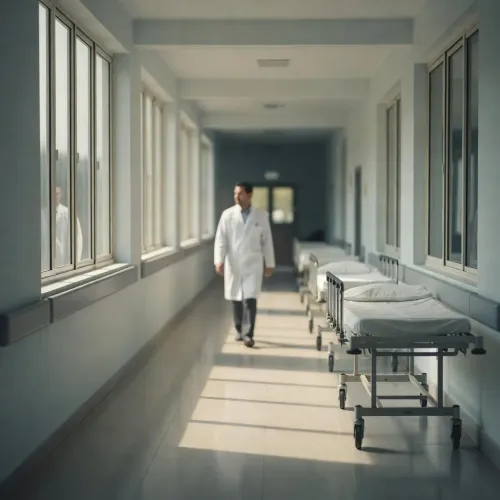
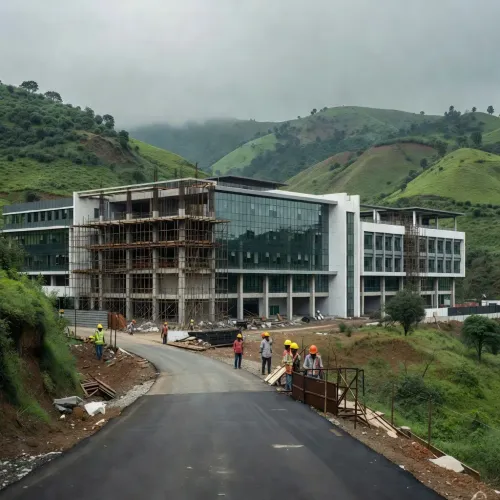
Union Health Minister J. P. Nadda has highlighted over ₹1,947 crore in central health investments in Himachal Pradesh, including the full operationalisation of AIIMS Bilaspur at ₹1,400 crore and ₹547 crore in grants to medical colleges in Chamba, Nahan, and Hamirpur, alongside PGI satellite and super-speciality projects.
Key Takeaways
AIIMS Bilaspur is fully operational, built at a central investment of ₹1,400 crore . ₹547 crore in central assistance has been provided to medical colleges in Chamba , Nahan , and Hamirpur .
A PGI Satellite Centre and the Chamiana Super Speciality Block are expanding advanced healthcare access within the state.
The investments are part of the Pradhan Mantri Swasthya Suraksha Yojana , expanded significantly after 2014 .
The post was made under the hashtag #12YearsOfSeva , framing the spending as part of a decade-plus governance record.
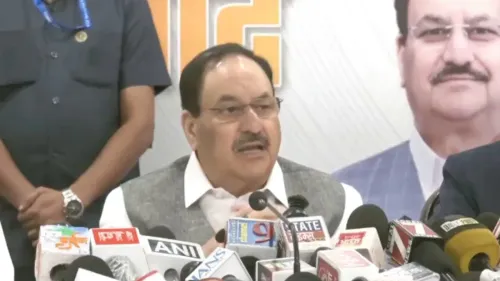
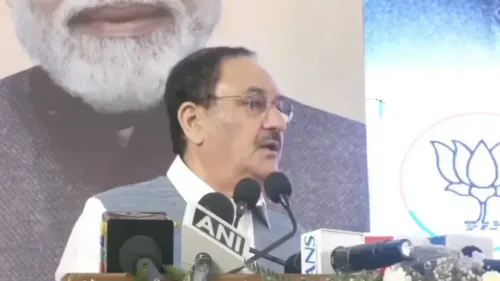
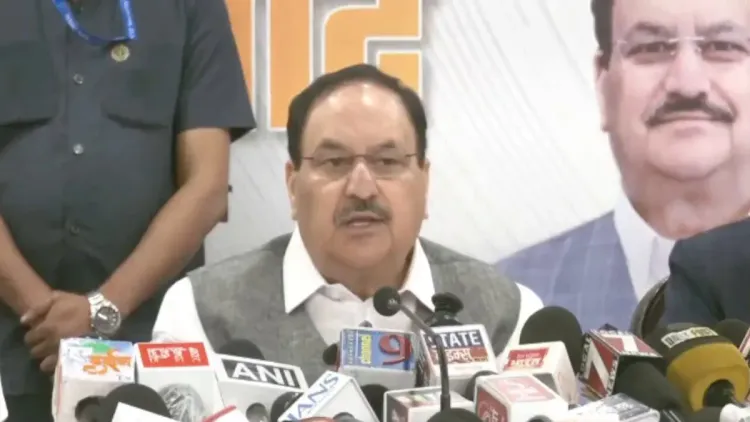
Union Health Minister J. P. Nadda on Saturday, 13 June 2026 highlighted the central government's substantial investments in Himachal Pradesh's health infrastructure, pointing to the full operationalisation of AIIMS Bilaspur and grants to three state medical colleges as evidence of sustained federal support to the hill state.
Context
Posting under the hashtag #12YearsOfSeva, Nadda stated that AIIMS Bilaspur, built at a cost of ₹1,400 crore, is 'fully operational' and is becoming a hub of modern healthcare facilities in the state. He added that ₹547 crore has been provided for the medical colleges in Chamba, Nahan, and Hamirpur. The post also cited the PGI Satellite Centre and the Chamiana Super Speciality Block as additional projects expanding healthcare services across Himachal Pradesh.
The combined figure flagged in the post — across AIIMS Bilaspur and the three medical colleges — stands at approximately ₹1,947 crore in central assistance to the state's health sector.
Policy Backdrop
AIIMS Bilaspur was sanctioned under the Pradhan Mantri Swasthya Suraksha Yojana (PMSSY), a central scheme launched in 2006 and significantly expanded after 2014 to establish new All India Institutes of Medical Sciences and upgrade government medical colleges in underserved regions. The scheme was designed to correct regional imbalances in tertiary healthcare, with hill states and north-eastern states receiving priority attention given the geographic barriers their populations face in accessing advanced care.
Central grants for the upgradation of Chamba, Nahan, and Hamirpur medical colleges were sanctioned by the Ministry of Health and Family Welfare in 2018-19, aimed at improving both physical infrastructure and academic capacity at these institutions. The PGIMER Satellite Centre in Himachal Pradesh extends super-speciality services from the Postgraduate Institute of Medical Education and Research, Chandigarh, reducing the need for patients to travel out of state for complex procedures.
Stakeholders and Impact
The primary beneficiaries of these investments are the residents of Himachal Pradesh, a state of roughly 75 lakh people spread across difficult mountain terrain where access to tertiary and super-speciality care has historically required long-distance travel to Chandigarh, Delhi, or other plains cities. Medical students in the state also stand to benefit from expanded seat capacity and upgraded facilities at the three government medical colleges.
The Chamiana Super Speciality Block, located near Shimla, and the PGI Satellite Centre together represent an attempt to anchor advanced diagnostics and specialist consultations within the state itself. For the state health department, the central grants reduce the fiscal burden of independently financing large-scale infrastructure upgrades.
What's Next
The #12YearsOfSeva framing signals that the ruling party intends to present these investments as part of a broader governance record ahead of electoral cycles. Analysts and opposition parties in Himachal Pradesh — where the state government is currently led by the Indian National Congress — are likely to scrutinise the actual utilisation rates at these facilities and the pace of filling faculty and specialist positions. Further clarity on the operational status of the satellite centres and the super-speciality block is expected through parliamentary questions and state assembly debates in the coming months.
Point of View
Timed under the #12YearsOfSeva banner to consolidate the BJP's governance narrative ahead of future electoral contests. The choice to highlight AIIMS Bilaspur's operationalisation is significant: new AIIMS have been a flagship deliverable of the post-2014 PMSSY expansion, and citing a fully functional institution carries more political weight than announcing a project. The concurrent mention of PGI satellite services and super-speciality infrastructure signals an intent to show depth, not just headline numbers. However, with Himachal Pradesh currently under a Congress state government, the framing is also a pointed contrast — attributing visible health gains to central rather than state action.
NationPress
19 Sept 2026
Frequently Asked Questions
What is AIIMS Bilaspur and how much did it cost?
AIIMS Bilaspur is an All India Institute of Medical Sciences established in Himachal Pradesh under the central government's Pradhan Mantri Swasthya Suraksha Yojana . According to Union Health Minister J. P. Nadda , it was built at a cost of ₹1,400 crore and is fully operational.
How much central funding have Chamba, Nahan and Hamirpur medical colleges received?
The medical colleges in Chamba , Nahan , and Hamirpur have collectively received ₹547 crore in central assistance, as stated by Health Minister J. P. Nadda on 13 June 2026 .
What is the PGI Satellite Centre in Himachal Pradesh?
The PGI Satellite Centre is an extension of the Postgraduate Institute of Medical Education and Research, Chandigarh , designed to bring super-speciality medical services into Himachal Pradesh so that patients do not need to travel out of state for advanced treatment.
What is the Chamiana Super Speciality Block?
The Chamiana Super Speciality Block is a health infrastructure project near Shimla in Himachal Pradesh that adds advanced specialist care capacity within the state, cited by Health Minister Nadda as part of the central government's health expansion in the region.
What is Pradhan Mantri Swasthya Suraksha Yojana?
Pradhan Mantri Swasthya Suraksha Yojana (PMSSY) is a central government scheme launched in 2006 and expanded after 2014 to establish new AIIMS and upgrade government medical colleges across India, with the goal of reducing regional disparities in access to tertiary healthcare.