Nadda hails 19th Rozgar Mela, over 51,000 appointment letters distributed
Synopsis
Union Minister J. P. Nadda congratulated over 51,000 youth who received central government appointment letters at the 19th Rozgar Mela on 23 May 2026, as PM Modi distributed letters via video-conferencing. The initiative has now issued roughly 12 lakh letters across 19 melas under the Modi government's mission-mode recruitment drive.
Key Takeaways
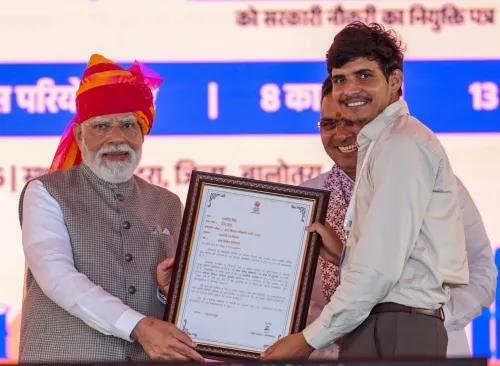
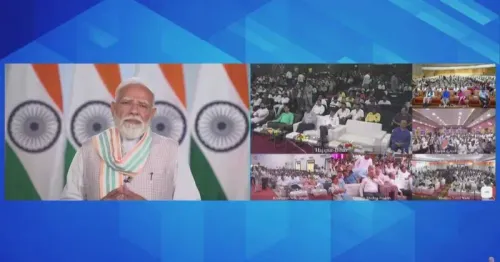
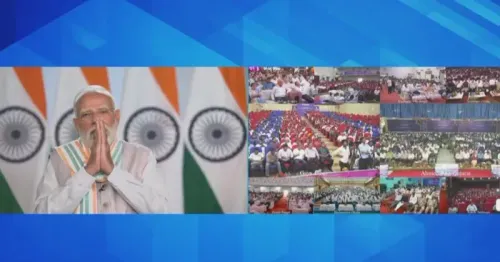
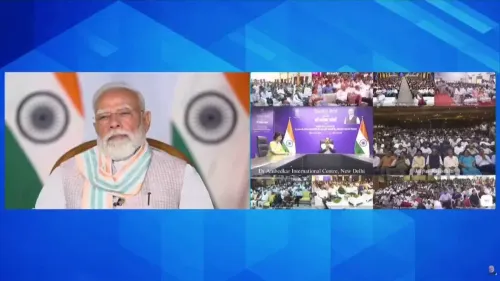
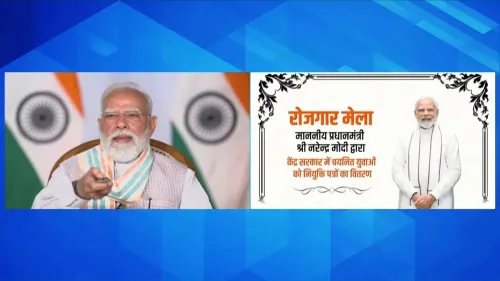
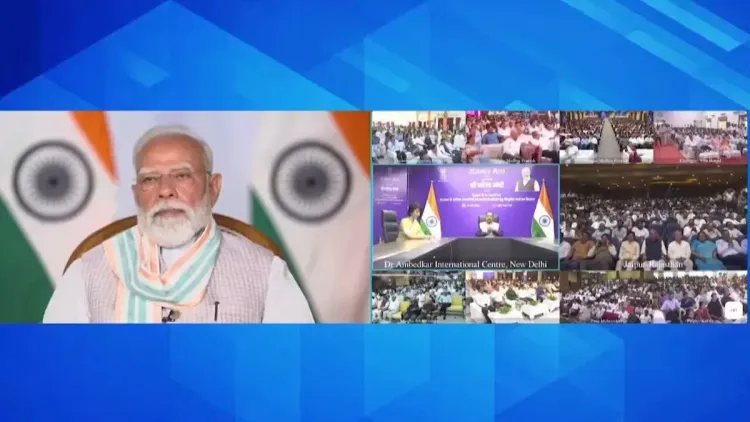
PM Narendra Modi distributed appointment letters to more than 51,000 newly recruited central government employees at the 19th Rozgar Mela on 23 May 2026 via video-conferencing.
Across all 18 previous Rozgar Melas , approximately 12 lakh appointment letters have been issued over 11 years of the Modi government.
Nadda congratulated the new appointees and their families, and expressed gratitude to PM Modi .
The Rozgar Mela initiative was introduced in late 2022 as a mission-mode drive to fill a large backlog of central government vacancies.
The recruitment push is framed within the Viksit Bharat 2047 vision, positioning youth employment in public service as central to national development.
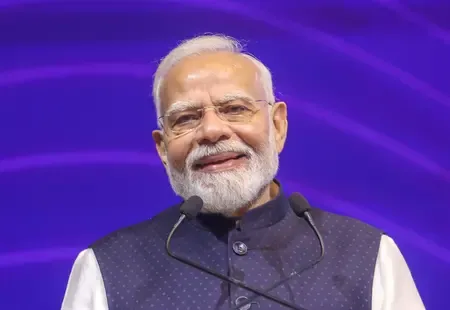
Union Health Minister and BJP national president J. P. Nadda on Saturday, 23 May 2026, congratulated more than 51,000 newly appointed central government employees after Prime Minister Narendra Modi distributed appointment letters at the 19th Rozgar Mela via video-conferencing.
Context
Nadda, writing in Hindi, noted that PM Modi today distributed appointment letters to '19वें रोजगार मेले में भारत सरकार के विभिन्न मंत्रालयों और विभागों में नव नियुक्त 51,000 से अधिक युवाओं को' — that is, 'more than 51,000 newly appointed youth across various ministries and departments of the Government of India at the 19th Rozgar Mela.' The event was conducted through video-conferencing, maintaining the technology-enabled format the initiative has followed since its launch.
Nadda extended 'heartfelt congratulations' to all newly appointed candidates and their families, and expressed gratitude to Prime Minister Modi for the initiative. He framed the drive as part of the broader Viksit Bharat vision — India's long-term development agenda targeting a developed nation by 2047.
Policy Backdrop
The Rozgar Mela format was introduced in late 2022 as a mission-mode mechanism to address a significant backlog of vacancies across central government ministries and departments. The format enables the Prime Minister to personally hand over — or virtually distribute — appointment letters, lending political visibility to what would otherwise be routine administrative recruitment.
Nadda stated that across the previous 18 Rozgar Melas, the government had already issued approximately 12 lakh appointment letters over 11 years of the Modi government. The initiative runs alongside portal-based employment services and is positioned within the Viksit Bharat 2047 framework, which treats youth employment in public service as a pillar of nation-building.
Stakeholders and Impact
The immediate beneficiaries are the 51,000-plus candidates who received appointment letters on 23 May 2026, joining various central government ministries and departments. Their families are also directly affected, as Nadda specifically acknowledged them in his message — reflecting the political significance the government attaches to first-generation government-job holders in many households.
Broader stakeholders include the millions of youth registered on central recruitment portals and the ministries absorbing new staff. For the BJP, Rozgar Melas serve as a visible demonstration of governance delivery on employment, a subject that draws sustained public and parliamentary attention.
What's Next
With 19 melas now completed and a cumulative total of approximately 12 lakh appointment letters issued, the government's trajectory suggests further editions are planned. Analysts and opposition parties are likely to scrutinise the pace of appointments against the originally announced target of filling nearly 10 lakh central vacancies in mission mode. The recruitment figures are also expected to feature in parliamentary discussions and in the framing of the next Union Budget's employment narrative. For the newly appointed candidates, the Rozgar Mela marks the formal entry point into public service — one the government is keen to brand as a defining feature of the Viksit Bharat journey.
Point of View
With over 51,000 appointment letters distributed in a single event, underscores the Modi government's strategy of making recruitment a politically visible, high-frequency exercise rather than a back-office administrative function. By having the Prime Minister personally preside — even virtually — over each edition, the BJP converts routine hiring into a recurring narrative of governance delivery. Nadda's post, linking the drive explicitly to 'Viksit Bharat,' signals that youth employment in the public sector will remain a central pillar of the party's messaging ahead of electoral cycles. The cumulative 12-lakh figure also sets a benchmark against which opposition parties and civil society will measure actual vacancy clearance rates in parliamentary scrutiny.
NationPress
7 Oct 2026
Frequently Asked Questions
What is the Rozgar Mela and who organises it?
The Rozgar Mela is a central government recruitment event where appointment letters are distributed to selected candidates for posts across various ministries and departments. It is organised by the Government of India and has been presided over by Prime Minister Narendra Modi since its launch in late 2022.
How many appointment letters have been given out at Rozgar Melas so far?
According to J. P. Nadda's post on 23 May 2026, approximately 12 lakh appointment letters have been issued across 18 previous Rozgar Melas, with more than 51,000 additional letters distributed at the 19th edition.
What is Viksit Bharat and how does the Rozgar Mela relate to it?
Viksit Bharat, meaning 'Developed India,' is the government's long-term vision to make India a fully developed nation by 2047. The Rozgar Mela is positioned as part of this vision by channelling youth into public-sector roles framed as contributions to national development.
Who received appointment letters at the 19th Rozgar Mela?
More than 51,000 newly recruited candidates joining various central government ministries and departments received appointment letters at the 19th Rozgar Mela on 23 May 2026.
Why did J. P. Nadda post about the Rozgar Mela?
As BJP national president and a senior Union Minister, Nadda posted to congratulate the newly appointed employees and their families, and to highlight the Modi government's record on central government recruitment over 11 years.