Nadda Hails Rs 5,070 Cr PM Surya Sarovar Yojana Approval
Synopsis
The Union Cabinet has approved the Rs 5,070 crore PM Surya Sarovar Yojana, targeting 5,000 MW of floating solar capacity on reservoirs and 10,000 MWh of energy storage. Union Minister J. P. Nadda welcomed the decision as a historic step toward making India a green energy superpower under PM Modi's leadership.
Key Takeaways
The Union Cabinet approved the Pradhan Mantri Surya Sarovar Yojana (PM-SSY) with an outlay of Rs 5,070 crore .
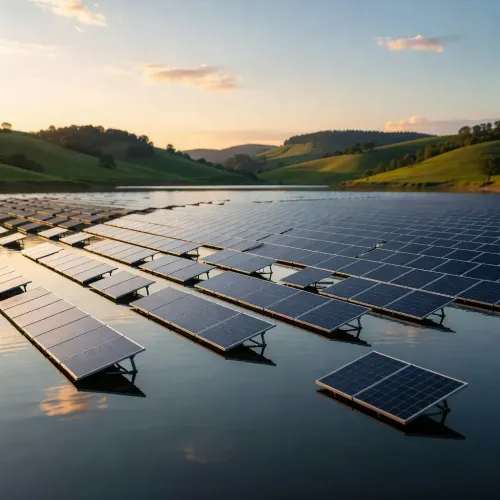
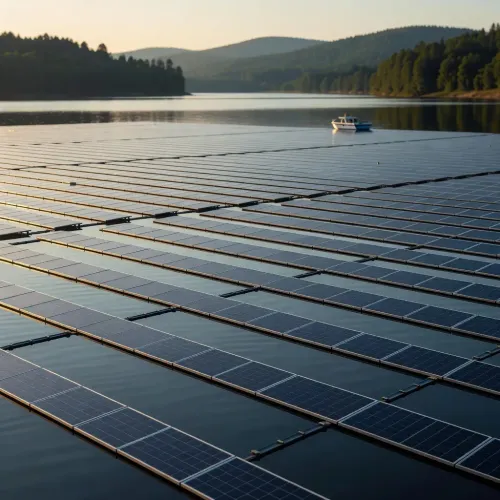
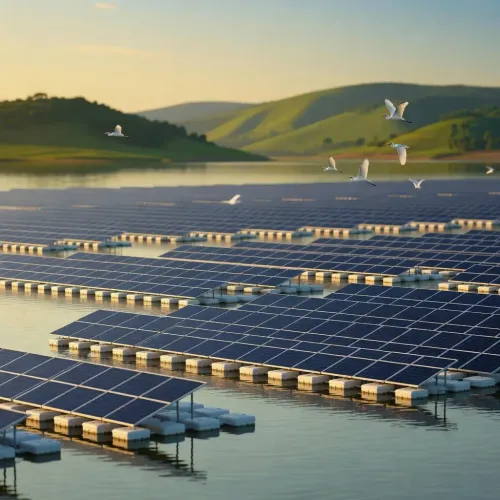
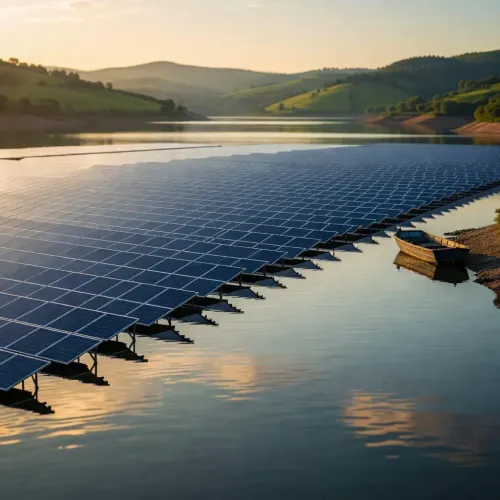
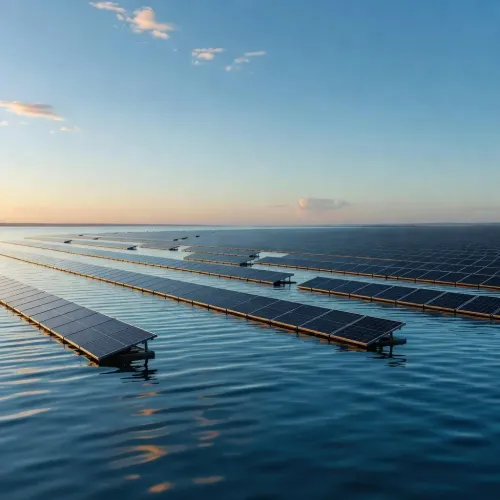
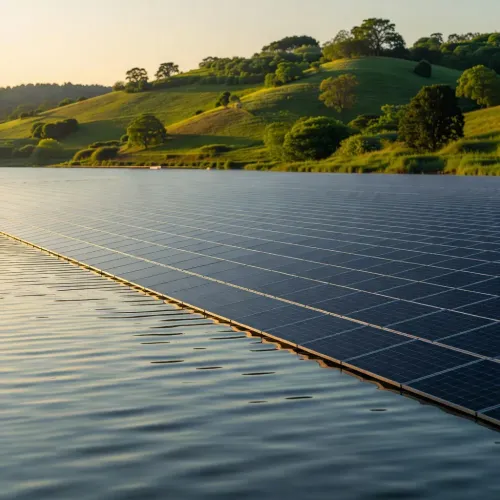
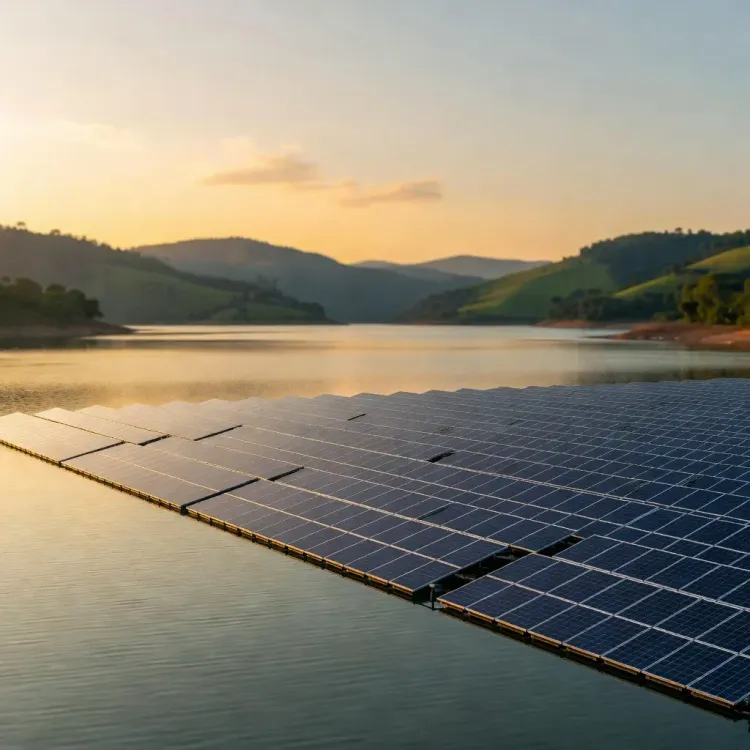
The scheme targets 5,000 MW of floating solar capacity deployed on reservoir surfaces across India.
A 10,000 MWh energy storage component will enable round-the-clock dispatch of solar power.
Floating solar reduces land-use conflicts and also cuts water evaporation from the reservoirs it occupies.
The scheme advances India's Panchamrit goal of 500 GW non-fossil fuel capacity by 2030 , announced at COP26.
The next critical phase is tendering and state-level rollout, which will determine actual delivery speed.
India's clean energy ambitions just cleared a landmark cabinet table. Union Health Minister and BJP president J. P. Nadda on Friday, July 31, 2026 welcomed the Union Cabinet's approval of the Pradhan Mantri Surya Sarovar Yojana (PM-SSY) — a Rs 5,070 crore scheme to build floating solar projects on the country's reservoirs, backed by utility-scale battery storage.
Nadda, posting in Hindi, called it an 'unprecedented decision' and a 'historic milestone' in realising the vision of an energy-self-reliant India — Atmanirbhar Bharat — under Prime Minister Narendra Modi. 'This landmark decision will prove to be an important milestone in making India a green energy superpower,' he wrote.
5,000 MW on Water, 10,000 MWh in Storage
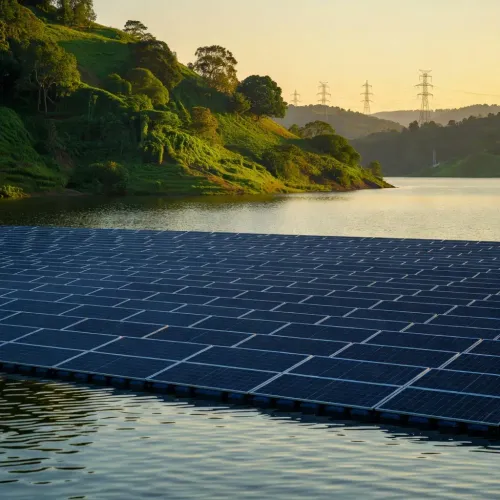
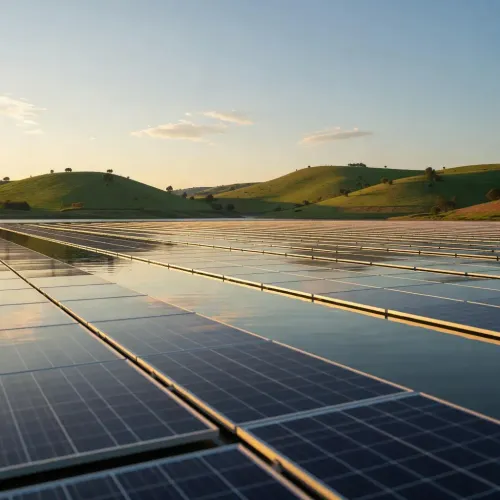
The scheme's two headline numbers tell the story. PM-SSY targets 5,000 megawatts of floating solar capacity — panels anchored on reservoir surfaces rather than land — paired with 10,000 megawatt-hours of energy storage. That storage component is the critical differentiator: it means solar power generated during the day can be dispatched after sunset, shoring up grid reliability in ways that raw generation figures alone cannot. Floating solar solves a problem India has wrestled with for years: land. Ground-mounted solar farms compete with agriculture and forest cover. Reservoir surfaces, by contrast, are largely idle. The panels also reduce water evaporation from the reservoirs they sit on, a co-benefit that matters acutely in water-stressed states.Where PM-SSY Fits India's Larger Solar Arc
India's solar story stretches back to the National Solar Mission of 2010, which seeded the first wave of grid-connected capacity. The ambition sharpened at COP26 in 2021, when India announced its Panchamrit targets: 500 GW of non-fossil fuel capacity by 2030 and net-zero emissions by 2070. PM-SSY is the latest instrument pointed at that 2030 deadline, adding a technology layer — floating solar plus storage — that earlier programmes barely touched at scale. India has also championed floating solar through the International Solar Alliance, the coalition PM Modi co-founded, making domestic deployment a matter of diplomatic credibility as much as energy policy.What Comes Next: Tenders and State Rollouts
Approval is the starting gun, not the finish line. The real test is execution — how quickly the government can tender the 5,000 MW capacity across states, which reservoirs are selected, and whether state power utilities move fast enough to absorb the output. Renewable energy developers will be watching the tender design closely: project viability hinges on tariff structures, land-use agreements with irrigation departments, and transmission connectivity from remote reservoir sites to load centres. With India's clean energy pipeline under constant pressure to match political ambition with on-ground delivery, PM-SSY now enters the phase where numbers on a cabinet note must become panels on water.Point of View
000 MWh of storage is a policy maturation: earlier schemes chased raw megawatts; this one chases despatchable megawatts, which is what a grid actually needs. For BJP, the announcement also carries political geometry — positioning the party as the architect of India's green economy ahead of state election cycles. The execution risk, however, is real: reservoir-based projects require multi-departmental coordination between power, irrigation, and environment ministries, and that complexity has derailed ambitious schemes before.
NationPress
31 Jul 2026
Frequently Asked Questions
What is PM Surya Sarovar Yojana?
PM Surya Sarovar Yojana (PM-SSY) is a centrally approved scheme worth Rs 5,070 crore that aims to develop 5,000 MW of floating solar power projects on India's reservoirs, along with 10,000 MWh of energy storage capacity to ensure reliable, round-the-clock clean power supply.
What is floating solar and why is it used on reservoirs?
Floating solar refers to photovoltaic panels mounted on buoyant structures anchored on water bodies such as reservoirs. India uses this approach to avoid competing with agricultural or forest land, while the panels also reduce water evaporation from the reservoirs they cover.
How does PM-SSY fit India's 2030 renewable energy target?
India committed at COP26 in 2021 to achieving 500 GW of non-fossil fuel capacity by 2030 under its Panchamrit strategy. PM-SSY contributes 5,000 MW of new floating solar capacity toward that goal, while the storage component helps make that power more grid-reliable.
Who approved PM Surya Sarovar Yojana?
The Union Cabinet, under the leadership of Prime Minister Narendra Modi, approved PM Surya Sarovar Yojana. Union Minister J. P. Nadda announced and welcomed the decision on July 31, 2026.
What happens after the cabinet approves PM-SSY?
Post-approval, the government must issue tenders for the 5,000 MW floating solar capacity, identify specific reservoir sites in coordination with state governments and irrigation departments, and ensure transmission infrastructure is in place to carry power to the grid.