CM Dhami Backs ₹5,070 Cr Floating Solar Scheme PM-SSY
Synopsis
The Union Cabinet has approved the ₹5,070 crore PM Surya Sarovar Yojana for floating solar and energy storage development. Uttarakhand CM Pushkar Singh Dhami hailed the decision as historic, linking it to India's 500 GW clean energy target and the Viksit Bharat vision.
Key Takeaways
The Union Cabinet approved the PM Surya Sarovar Yojana (PM-SSY) , a ₹5,070 crore scheme for floating solar projects and energy storage systems.
Uttarakhand CM Pushkar Singh Dhami publicly welcomed the decision on 31 July 2026 , calling it historic for India's renewable energy sector.
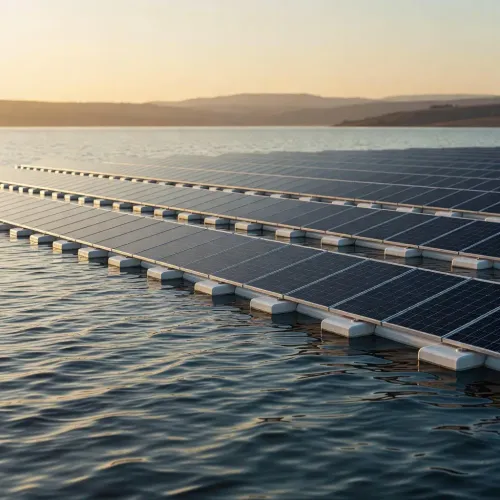
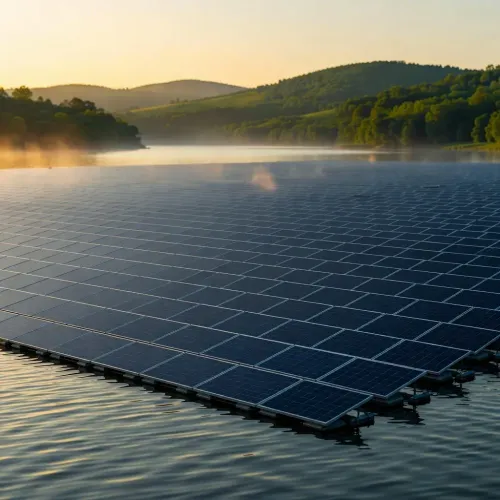
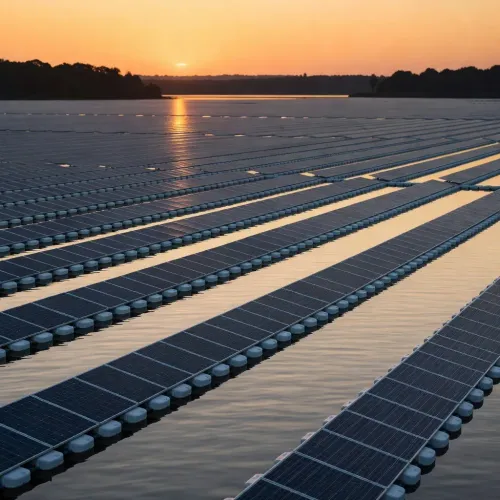
Floating solar installations on reservoirs reduce land-use conflicts and benefit from cooler water temperatures that improve panel efficiency.
The scheme supports India's target of 500 GW non-fossil fuel capacity by 2030 .
Key next steps include tendering, state-level site identification, and storage system procurement under PM-SSY.
A ₹5,070 crore bet on water-surface solar power just cleared the Union Cabinet — and Uttarakhand Chief Minister Pushkar Singh Dhami is calling it a turning point for India's clean energy future. Welcoming the Cabinet's approval of the Prime Minister Surya Sarovar Yojana (PM-SSY) on Friday, 31 July 2026, Dhami framed the scheme as a decisive stride toward energy security and global green leadership.
Posting in Hindi, CM Dhami said the scheme gives 'new energy to the resolve of a clean, green and self-reliant India' under the 'visionary leadership' of Prime Minister Narendra Modi. He described the Cabinet's decision as 'a historic decision in the renewable energy sector' — naveekarniya urja kshetra mein ek aitihasik nirnay [a historic decision in the renewable energy sector].
What PM-SSY Actually Does
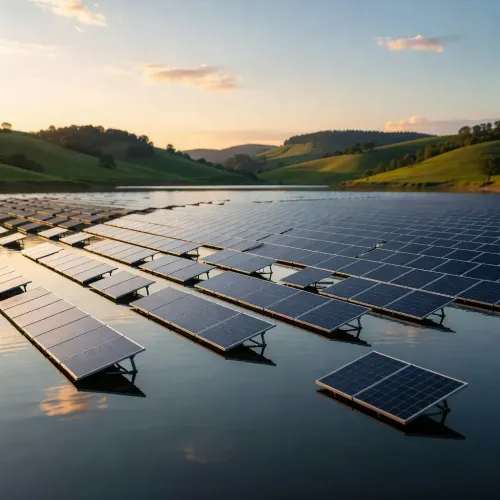
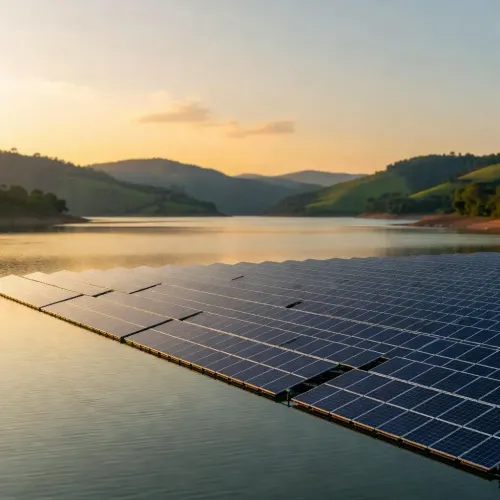
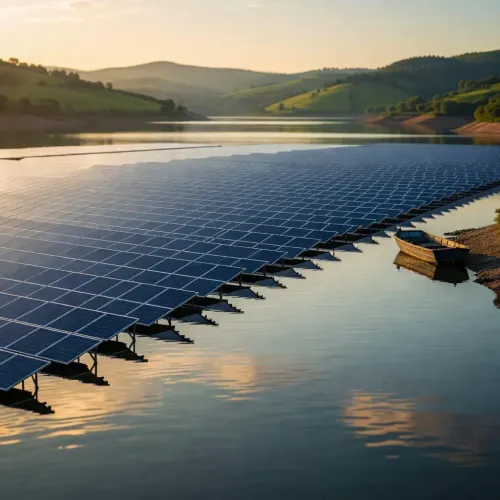
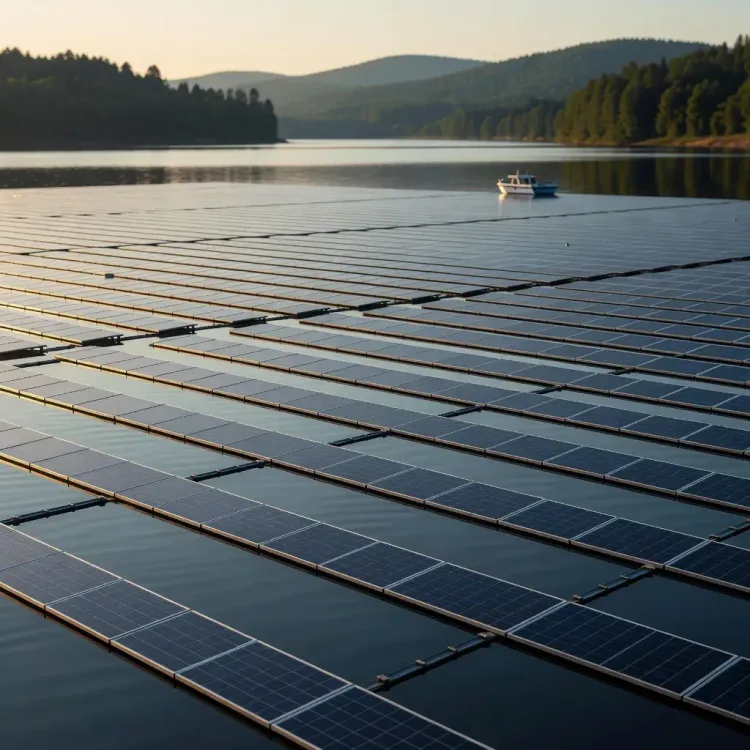
At its core, the PM Surya Sarovar Yojana is designed to build floating solar installations on reservoirs and other water bodies, paired with energy storage systems to smooth out the grid. The logic is elegant: India has vast stretches of still water — irrigation tanks, dams, hydroelectric reservoirs — that sit idle as generation sites. Floating panels on these surfaces sidestep the land-acquisition battles that have slowed ground-mounted solar projects, while the water beneath keeps panels cooler and marginally more efficient. The ₹5,070 crore outlay signals that this is no pilot experiment. It is a scaled national programme aimed squarely at adding dispatchable clean power — electricity that can be stored and released when the grid needs it most.India's Solar Ambition and the 500 GW Target
The approval lands inside a much larger strategic frame. India has committed to reaching 500 GW of non-fossil fuel capacity by 2030, a target that requires not just more panels but smarter integration of storage. The National Solar Mission, launched in 2010, set the original grid-connected solar agenda; PM-SSY represents the next layer — moving from open-field installations to dual-use water surfaces and adding the battery backbone the grid increasingly demands. Floating solar has already been piloted in several states, but a centrally-funded scheme of this scale brings uniform tendering standards, financial muscle, and the pressure of a national deadline. State governments — including Uttarakhand, with its network of hydroelectric reservoirs — now have a clear federal partner and funding channel to tap.Dhami's Political Signal
For CM Dhami, the endorsement is also a political statement. Uttarakhand sits at the headwaters of India's river system, making it both ecologically sensitive and strategically positioned for hydro-solar hybrid projects. By publicly championing PM-SSY, Dhami aligns his state's identity with the Centre's green-economy push — a narrative that resonates with the Viksit Bharat [Developed India] vision he referenced in his post. The scheme's next milestones — tendering, site identification, and storage procurement — will determine whether the ambition translates into megawatts on the grid. India has made the pledge; the clock is now running on the delivery.Point of View
Sidestepping the land-acquisition friction that has historically delayed solar rollouts. For the BJP, it also threads the needle between environmental credibility and economic nationalism under the Viksit Bharat brand. CM Dhami's vocal endorsement signals that hill states with large reservoir networks see a direct stake in the scheme's success. The real test, however, is execution: India has approved ambitious renewable targets before; the tendering and storage-integration timelines under PM-SSY will reveal whether this one converts policy into grid capacity.
NationPress
15 Sept 2026
Frequently Asked Questions
What is PM Surya Sarovar Yojana?
PM Surya Sarovar Yojana (PM-SSY) is a ₹5,070 crore central government scheme approved by the Union Cabinet to develop floating solar power projects on reservoirs and water bodies, integrated with energy storage systems to enhance grid stability.
What is floating solar and why is India investing in it?
Floating solar involves mounting photovoltaic panels on the surface of water bodies such as reservoirs and irrigation tanks. India is investing in it to add renewable capacity without acquiring new land, while the cooler water surface improves panel efficiency.
Why did CM Dhami welcome the PM-SSY cabinet decision?
Uttarakhand Chief Minister Pushkar Singh Dhami welcomed the PM-SSY approval as a historic step toward a clean, green and self-reliant India, aligning his state — which has significant hydroelectric reservoir infrastructure — with the Centre's renewable energy push.
How does PM-SSY relate to India's 500 GW renewable target?
India has set a target of 500 GW of non-fossil fuel capacity by 2030. PM-SSY contributes to this by scaling up floating solar installations and adding energy storage, addressing both generation and grid-stability gaps in the clean energy transition.
What are the next steps after Cabinet approval of PM-SSY?
Following Cabinet approval, the key milestones are the tendering process for floating solar sites, identification of suitable reservoirs by state governments, and procurement of energy storage systems to integrate with the new installations.