CM Rekha Gupta Backs PM Surya Sarovar Yojana for Floating Solar
Synopsis
Delhi CM Rekha Gupta backed the Union Cabinet's approval of PM Surya Sarovar Yojana, which targets 5,000 MW of floating solar capacity and 10,000 MWh of energy storage on India's reservoirs by 2030-31, advancing PM Modi's 500 GW clean energy goal.
Key Takeaways
The Union Cabinet approved the PM Surya Sarovar Yojana on July 31, 2026 , targeting floating solar deployment on India's reservoirs.
The scheme aims for 5,000 MW of floating solar capacity by 2030–31 .
An integrated 10,000 MWh energy storage system is part of the same target, addressing solar intermittency.
Delhi CM Rekha Gupta described the cabinet decision as 'visionary' and linked it to India's clean energy and self-reliance goals.
Floating solar on reservoirs reduces land-use conflicts and lowers panel temperatures, improving efficiency.
The scheme contributes to PM Modi 's broader target of 500 GW non-fossil fuel capacity by 2030 .
India's reservoirs may soon double as power plants. Delhi Chief Minister Rekha Gupta on Friday, July 31, 2026 welcomed the Union Cabinet's approval of the PM Surya Sarovar Yojana, calling it a 'visionary decision' to transform the country's water bodies into clean energy sources — a move she says will give fresh momentum to India's green energy journey.
What the PM Surya Sarovar Yojana Targets
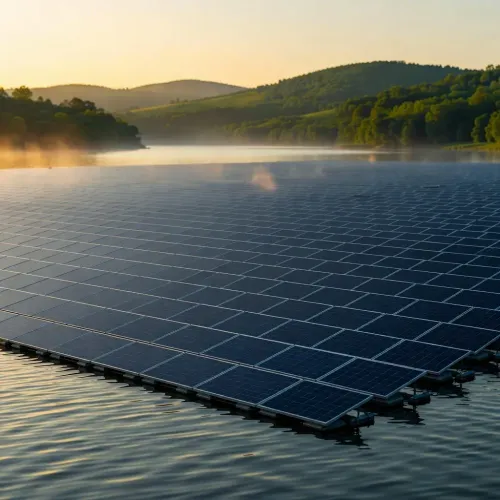
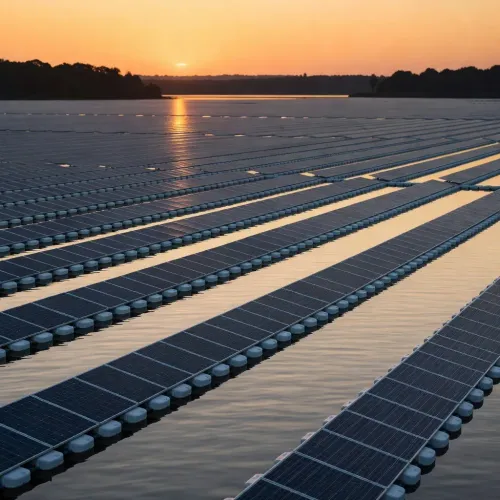
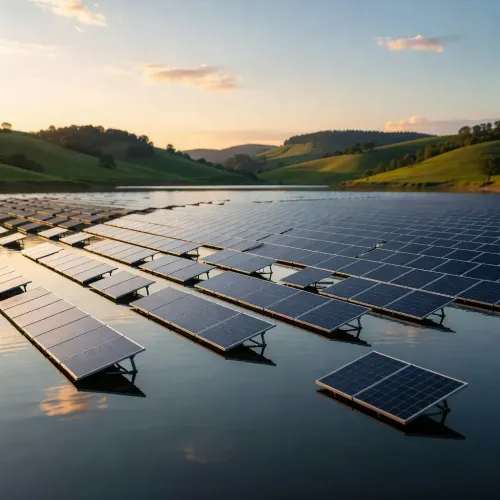
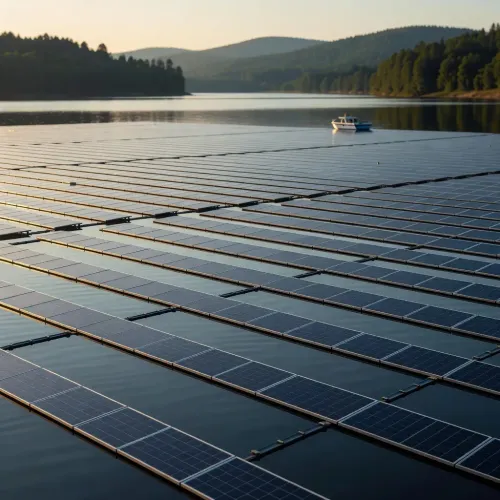
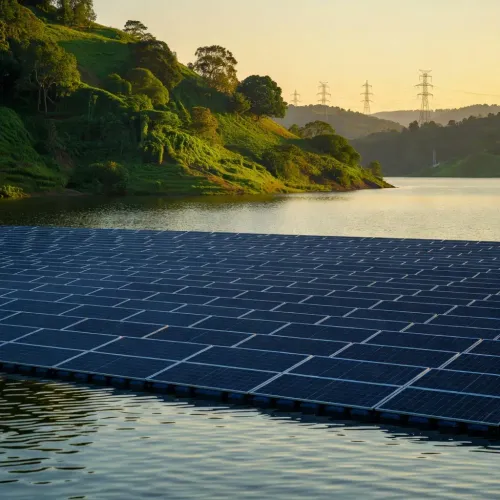
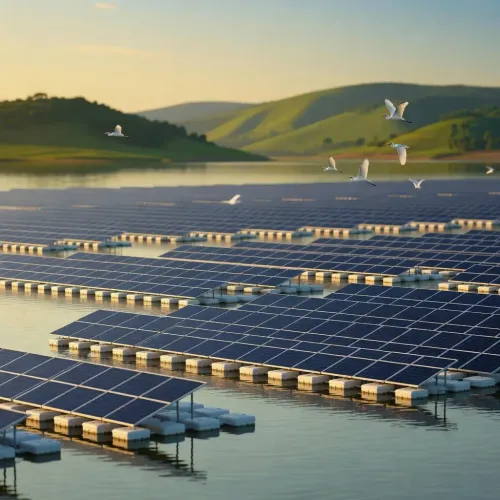
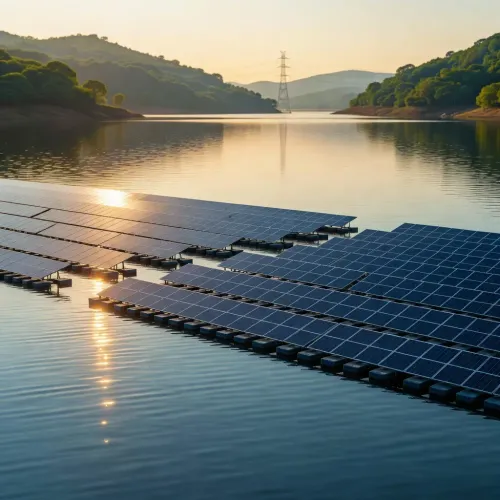
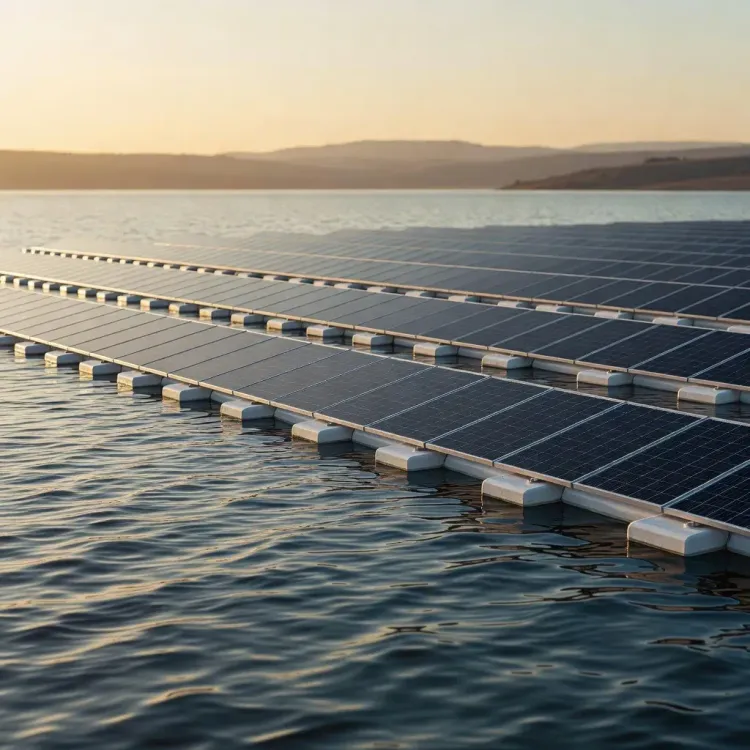
The scheme sets an ambitious dual target: develop 5,000 megawatts of floating solar capacity and a 10,000 MWh energy storage system by 2030–31. Floating solar — panels mounted on pontoons over reservoirs — combines power generation with a practical bonus: the shade they cast measurably reduces water evaporation, a significant advantage in a country where water scarcity is a growing concern.
CM Gupta framed the approval as central to three national goals — clean energy, energy security, and the Aatmanirbhar Bharat (self-reliant India) mission — crediting the leadership of Prime Minister Narendra Modi for the direction.
Floating Solar's Edge Over Conventional Panels
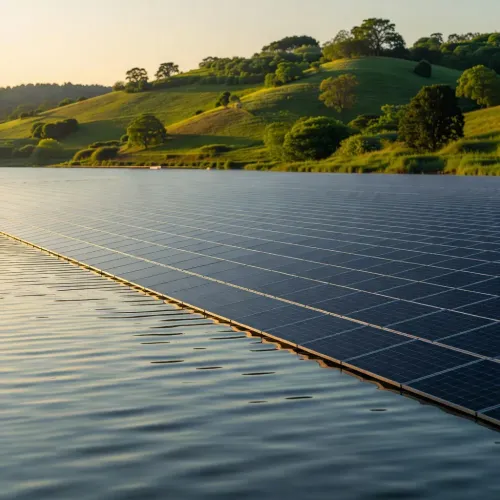
India has pursued solar deployment across multiple formats — ground-mounted parks, rooftop installations, and now large-scale floating arrays — partly to sidestep the land-acquisition battles that have slowed conventional solar projects. Water bodies offer ready, largely uncontested surfaces. The cooling effect of water also keeps panel temperatures lower, improving generation efficiency compared to land-based installations in comparable conditions.
Prime Minister Modi has anchored India's climate credibility to a target of 500 GW of non-fossil fuel power capacity by 2030. The PM Surya Sarovar Yojana's 5,000 MW floating solar component, paired with integrated battery storage, would contribute directly to that headline number while addressing the intermittency challenge that has long complicated solar's role in baseload supply.
Storage Integration: The Harder Problem
The 10,000 MWh storage target embedded in the scheme is arguably the more consequential detail. Large-scale battery storage remains expensive and logistically complex in India, and pairing it with floating solar from the outset signals a shift from raw capacity addition toward dispatchable, reliable renewable power — electricity that can be called on after sunset or during cloudy stretches. Developers, state utilities, and storage technology firms will now watch for tender structures and viability gap funding that make these projects bankable.
The road from cabinet approval to commissioned megawatts runs through state-level project tenders, grid integration plans, and environmental clearances for individual reservoir sites. Those execution details will determine whether the 2030–31 deadline holds.
India's water bodies are getting a second job description — and the grid is counting on them to show up.
Point of View
Land-light deployment on public water bodies. For the BJP, amplifying this cabinet decision serves a dual purpose: reinforcing the party's clean-energy credibility ahead of state election cycles and tying local leaders like CM Gupta visibly to a nationally resonant policy win. The 10,000 MWh storage component is the scheme's most consequential and most watched element — if the financing architecture works, it becomes a replicable template for dispatchable renewable power across India's vast reservoir network.
NationPress
15 Sept 2026
Frequently Asked Questions
What is PM Surya Sarovar Yojana?
PM Surya Sarovar Yojana is a central government scheme approved by the Union Cabinet to develop floating solar panels on India's reservoirs, targeting 5,000 MW of capacity and 10,000 MWh of energy storage by 2030-31.
What is floating solar energy?
Floating solar refers to photovoltaic panels mounted on pontoons or floating structures on water bodies such as reservoirs and lakes. The water's cooling effect improves panel efficiency, and the panels reduce evaporation from the surface below.
What did Delhi CM Rekha Gupta say about the scheme?
CM Rekha Gupta called the Cabinet's approval a 'visionary decision' and said it would give new momentum to India's green energy journey, linking it to the goals of clean energy, energy security, and Aatmanirbhar Bharat.
How does this scheme relate to India's 2030 renewable energy target?
PM Modi has set a national target of 500 GW of non-fossil fuel power capacity by 2030. The PM Surya Sarovar Yojana's 5,000 MW floating solar target directly contributes to that goal.
Why is the 10,000 MWh storage target significant?
Energy storage allows solar power to be dispatched after sunset or during low-sunlight periods, making it more reliable for the grid. Pairing storage with floating solar from the scheme's design stage signals a shift toward dispatchable, not just installed, renewable capacity.