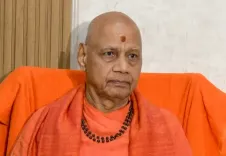
Chirag Paswan: 5,000 MW Floating Solar on India's Reservoirs
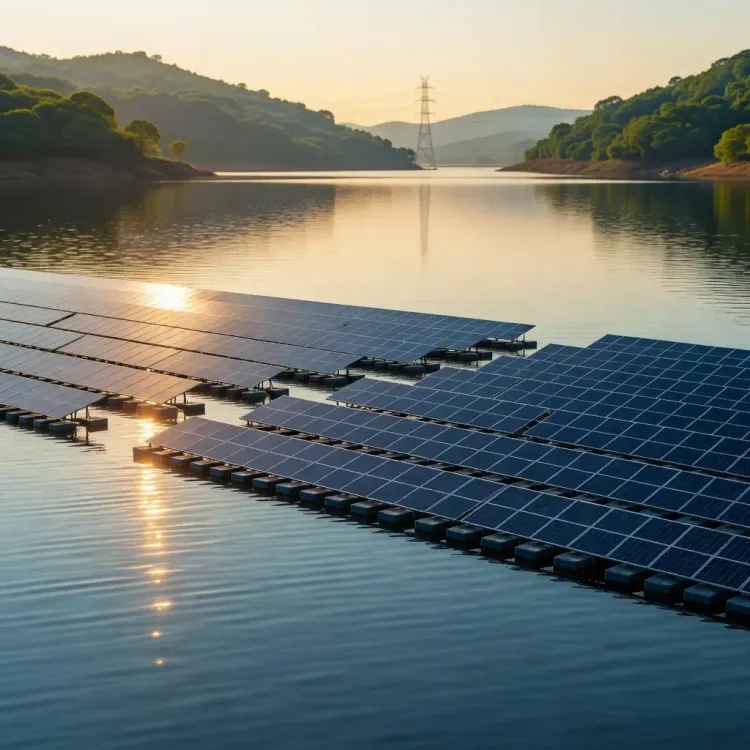
Synopsis
The Cabinet has approved 5,000 MW of floating solar capacity across Indian reservoirs under the PM Surya Sarovar Yojana, paired with energy storage systems. Union Minister Chirag Paswan announced the decision, calling it a major step toward clean, reliable, and sustainable electricity supply.
Key Takeaways
5,000 MW of floating solar capacity will be installed on reservoirs nationwide under the Pradhan Mantri Surya Sarovar Yojana .
Projects will include energy storage systems , enabling reliable round-the-clock clean power supply — a key upgrade over earlier pilots.
The scheme avoids land acquisition hurdles by using existing state-owned water bodies.
India's 500 GW non-fossil fuel capacity target by 2030 , pledged at COP26 , is the broader policy frame driving the push.
Scheme guidelines, funding mechanisms, and state-level tenders are yet to be announced following the Cabinet approval.
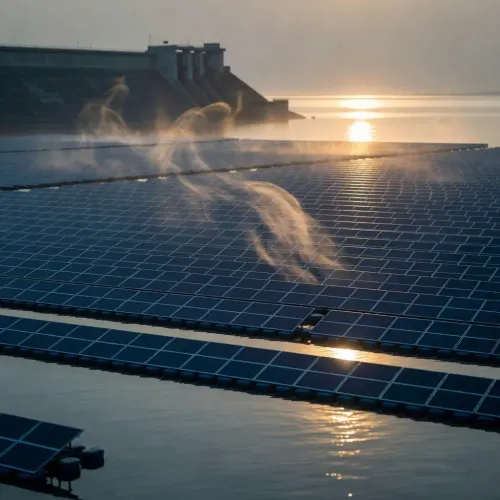
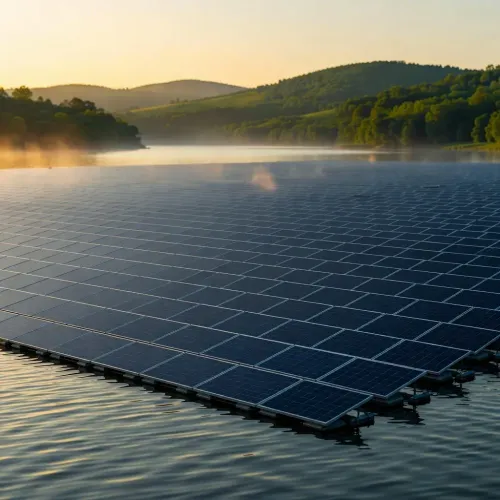
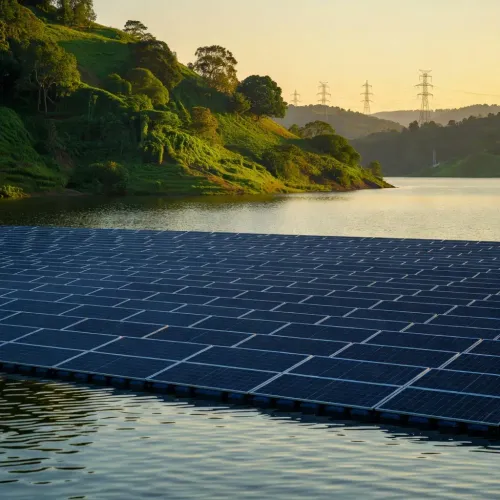
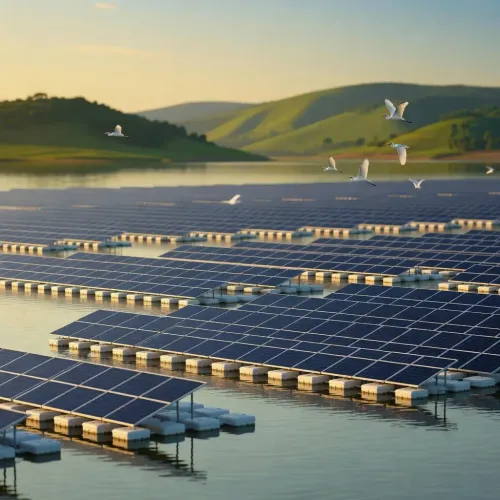
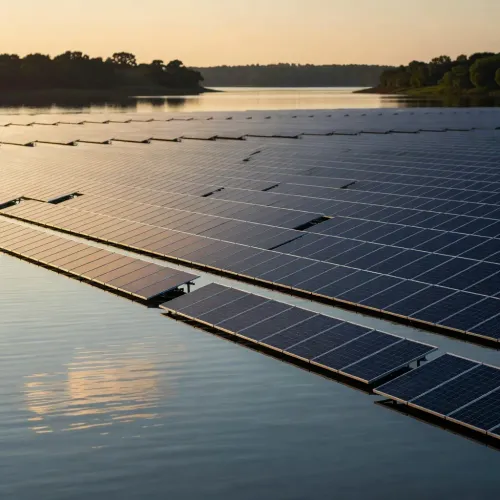
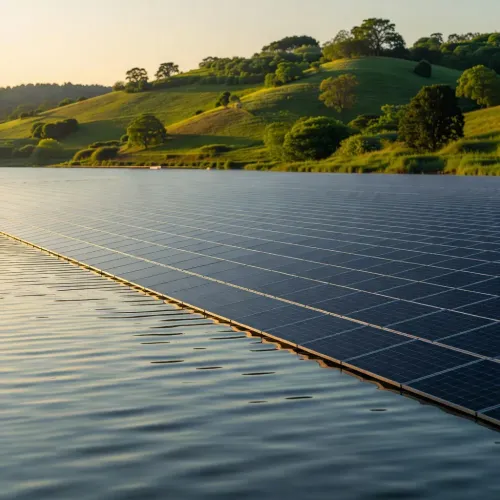
India's reservoirs are about to pull double duty — holding water and harvesting sunlight. Union Food Processing Minister Chirag Paswan announced on Friday, July 31, 2026 that the Cabinet has approved 5,000 megawatts of floating solar capacity to be installed across the country's water bodies under the Pradhan Mantri Surya Sarovar Yojana, bundled with energy storage systems to ensure round-the-clock clean power supply.
Posting on X with the hashtag #CabinetDecisions, Paswan wrote that the scheme would take 'a big step towards providing clean, reliable and sustainable electricity' — with the critical addition of storage infrastructure that past floating solar pilots have often lacked.Floating Solar Meets Storage: Why the Combination Matters
Floating solar on reservoirs is not a new idea for India — NTPC and other public-sector units have been piloting such projects since the mid-2010s. What has historically held the technology back from scale is intermittency: solar panels generate power only when the sun shines, and without storage, that power cannot be dispatched on demand.
The Surya Sarovar Yojana's explicit pairing of floating panels with energy storage systems addresses that gap directly. If the scheme delivers as announced, it would mark a structural shift from demonstration projects to grid-reliable renewable generation at scale.
Reservoirs as Real Estate: The Land-Acquisition Advantage
India's push toward 500 GW of non-fossil fuel electricity capacity by 2030 — a commitment first made at COP26 in 2021 — has repeatedly run into the same obstacle: land. Ground-mounted solar farms require large tracts of flat terrain, triggering acquisition disputes and delays.
Floating installations sidestep that problem entirely. Reservoirs are already state-owned infrastructure, and placing panels on the water surface also reduces evaporation — a secondary benefit that matters in water-stressed regions. With 5,000 MW targeted under a single named scheme, the government is signalling it wants to industrialise what has so far been a patchwork of pilots.
What Comes Next: Guidelines, Funding and State Tenders
The Cabinet decision is the starting gun, not the finish line. Scheme guidelines, a funding mechanism, and state-level tendering processes are yet to be formalised and published. State governments and renewable energy developers will be the key actors in translating the central announcement into commissioned megawatts on specific reservoirs.
The pace at which those details emerge will determine whether this scheme accelerates India's 2030 clean-energy trajectory or joins the long list of well-intentioned targets that stall in implementation.
Five thousand megawatts of floating solar with storage is not a pilot anymore — it is a bet that India's water bodies can become its next power grid. The real test begins the moment the tender documents land.
Point of View
Centralised scheme with a four-figure megawatt target. The decision to bundle storage with generation is analytically significant: it signals that the government is no longer satisfied with capacity additions on paper and wants dispatchable clean power. Whether the scheme accelerates or stalls will hinge on how quickly the Centre releases guidelines and whether state governments — who control the reservoirs — move to tender. For the LJP (Ram Vilas) and Chirag Paswan personally, amplifying a Cabinet decision on clean energy also serves a political purpose: associating the party with a popular, forward-looking infrastructure agenda ahead of state electoral cycles.
NationPress
15 Sept 2026
Frequently Asked Questions
What is the Pradhan Mantri Surya Sarovar Yojana?
It is a central government scheme under which 5,000 MW of floating solar power projects will be installed on reservoirs across India, paired with energy storage systems to supply clean and reliable electricity.
What is floating solar and why is it installed on water bodies?
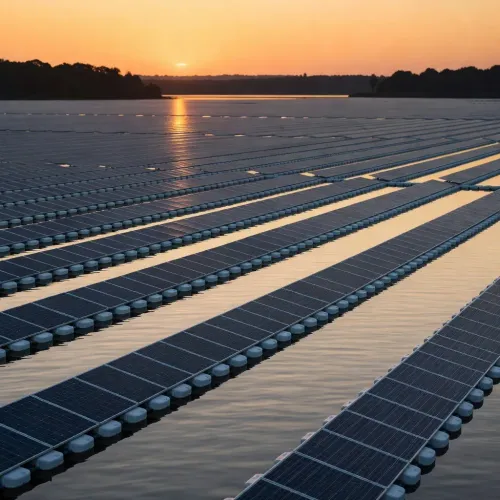
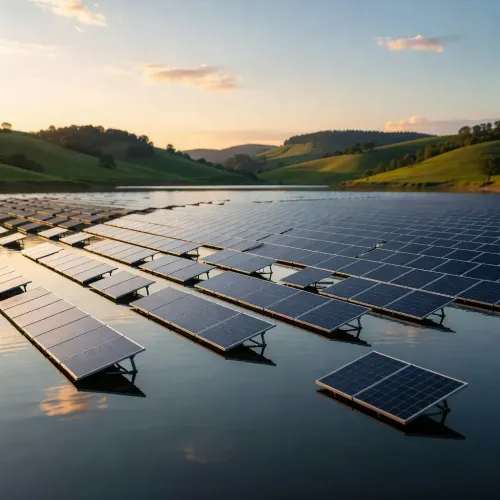
Floating solar refers to photovoltaic panels mounted on pontoons or platforms placed on the surface of lakes and reservoirs. Installing them on water avoids the need for land acquisition and also reduces water evaporation from the reservoir.
Why is energy storage included in this floating solar scheme?
Solar panels only generate power when sunlight is available. Pairing them with energy storage systems allows the electricity generated during the day to be stored and dispatched at night or during cloudy periods, making the supply reliable around the clock.
How does this scheme relate to India's 2030 renewable energy target?
India committed at COP26 in 2021 to achieving 500 GW of non-fossil fuel electricity capacity by 2030 . The Surya Sarovar Yojana's 5,000 MW target contributes directly to that national goal.
When will the floating solar projects under PM Surya Sarovar Yojana be built?
The Cabinet approved the scheme on July 31, 2026 . Detailed guidelines, a funding mechanism, and state-level tendering processes are yet to be announced, so specific construction timelines have not been confirmed.