Nadda Inaugurates Pharma Conclave, Backs India as Pharmacy of World
Synopsis
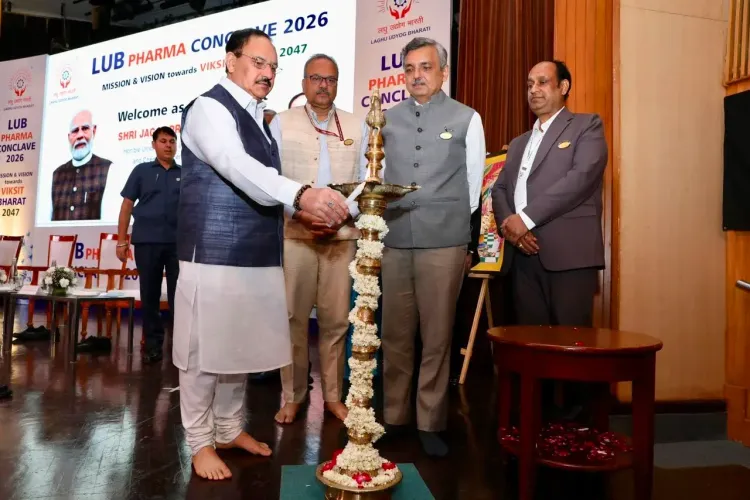
Union Health Minister J. P. Nadda inaugurated the Laghu Udyog Bharati Pharma Conclave 2026 in New Delhi on 25 July, calling pharmaceuticals a pillar of nation building and urging stakeholders to strengthen India's identity as the 'Pharmacy of the World' on the path to Viksit Bharat 2047.
Key Takeaways
Nadda inaugurated the Laghu Udyog Bharati Pharma Conclave 2026 in New Delhi on 25 July 2026 .
India is described as the world's largest supplier of generic medicines and a pharmaceutical exporter to over 200 countries .
The conclave focused on small-scale and MSME pharmaceutical units and their role in India's export framework.
The event was framed within the Viksit Bharat 2047 vision of making India a developed economy by the centenary of independence.
India's pharma rise has been supported by the PLI scheme (2021) and the Vaccine Maitri initiative, which supplied COVID-19 vaccines to over 100 countries .
Nadda holds dual charge of the Health Ministry and the Chemicals and Fertilizers Ministry, giving him direct oversight of pharmaceutical policy.
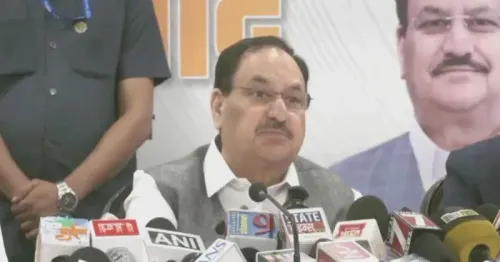
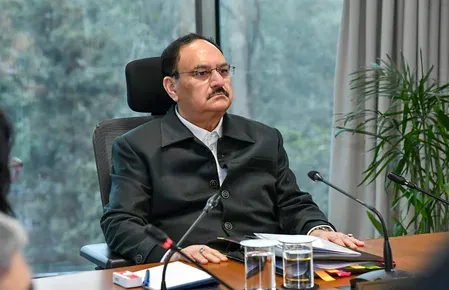
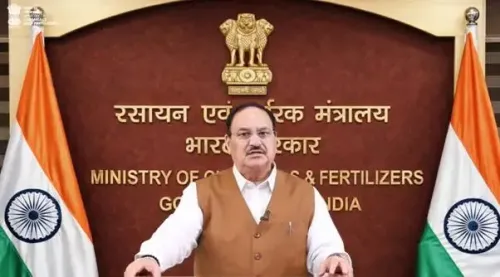
Union Health Minister J. P. Nadda inaugurated the Laghu Udyog Bharati Pharma Conclave 2026 in New Delhi on Saturday, 25 July 2026, calling the pharmaceutical sector a 'key pillar of nation building' and reaffirming India's ambition to consolidate its standing as the 'Pharmacy of the World.'
Context
Addressing delegates at the conclave — an industry gathering focused on small-scale pharmaceutical units — Nadda framed the event as occurring at 'a pivotal moment in India's journey towards Viksit Bharat 2047,' the government's flagship vision to transform India into a developed economy by the centenary of independence. He highlighted four pillars the sector embodies: driving innovation, creating jobs, ensuring affordable healthcare, and strengthening global leadership.
The minister credited Prime Minister Narendra Modi's leadership for India's emergence as 'the world's largest supplier of generic medicines, a leading vaccine producer, and a trusted pharmaceutical exporter to over 200 countries.' The Laghu Udyog Bharati platform specifically represents micro, small and medium enterprises (MSMEs) in the manufacturing space, making the conclave a signal of the government's intent to integrate smaller units into the broader export-oriented pharma framework.
Policy Backdrop
India's pharmaceutical rise has been underpinned by a series of deliberate policy interventions since the Make in India programme launched in 2014. The Production Linked Incentive (PLI) scheme for pharmaceuticals, approved in 2021, was designed to boost domestic manufacturing capacity, incentivise innovation, and accelerate export growth by offering financial incentives tied to incremental sales.
The country's global health diplomacy credentials were bolstered by the Vaccine Maitri initiative in 2021, under which India supplied COVID-19 vaccines to over 100 countries, reinforcing its identity as a reliable supplier to the developing world. Successive policy cycles have sought to deepen self-reliance in active pharmaceutical ingredients (APIs) — a vulnerability exposed during the pandemic — while expanding the export footprint of finished formulations.
The emphasis on MSME pharma units at the Laghu Udyog Bharati conclave reflects a recognition that small-scale manufacturers form the backbone of India's generic medicine output and that their integration into quality-compliant, export-ready supply chains is essential to sustaining the country's global leadership claim.
Stakeholders and Impact
The conclave's primary audience — MSME pharmaceutical units — stands to benefit directly from any policy announcements or regulatory guidance that emerges from such platforms. Affordable generic medicines produced by these units serve hundreds of millions of domestic consumers and are a critical source of low-cost drugs for health systems across Africa, Southeast Asia, and Latin America.
For workers, the sector represents a significant employment base; the government has consistently cited job creation as a central dividend of pharma sector growth. Global health agencies and governments that depend on Indian generics for essential medicine procurement also have a direct stake in the policy environment shaping this industry.
What's Next
Industry observers will watch for follow-through in the form of PLI scheme expansions, regulatory streamlining for MSME units, or fresh export promotion measures that may be announced in forthcoming parliamentary sessions or the annual pharma policy review. Nadda's dual portfolio — overseeing both health policy and the chemicals and fertilizers ministry, which regulates pharmaceuticals — positions him as the central figure in translating the conclave's momentum into actionable reform. India's ability to maintain its 'Pharmacy of the World' identity will increasingly depend on whether smaller manufacturers can meet rising global quality standards while keeping costs competitive.
Point of View
The minister is tying sectoral ambition to a long-horizon national project, making pharma policy a campaign-ready talking point. The dual-portfolio advantage Nadda holds — spanning health regulation and chemicals oversight — allows him to act as a single-window champion for the industry in a way few predecessors could. Whether the conclave translates into concrete MSME-friendly regulatory reform or remains a high-profile platform event will be the real test of this political investment.
NationPress
25 Jul 2026
Frequently Asked Questions
What is the Laghu Udyog Bharati Pharma Conclave 2026?
The Laghu Udyog Bharati Pharma Conclave 2026 is an industry event held in New Delhi focused on small-scale and MSME pharmaceutical manufacturing units and their role in India's pharma sector growth and exports.
Why is India called the Pharmacy of the World?
India is called the 'Pharmacy of the World' because it is the world's largest supplier of generic medicines and exports pharmaceutical products to over 200 countries, providing affordable drugs to health systems globally.
What is Viksit Bharat 2047?
Viksit Bharat 2047 is the Indian government's national vision to transform India into a fully developed economy by 2047, the centenary of independence, across sectors including health, manufacturing, and technology.
What is the PLI scheme for pharmaceuticals?
The Production Linked Incentive (PLI) scheme for pharmaceuticals, approved in 2021, offers financial incentives to manufacturers based on incremental sales, aiming to boost domestic production, reduce import dependence on APIs, and expand exports.
What is J. P. Nadda's role in pharmaceutical policy?
J. P. Nadda serves as both Union Minister of Health and Family Welfare and Minister of Chemicals and Fertilizers, giving him direct oversight of both health regulation and the pharmaceutical industry's regulatory framework in India.