Nadda marks Samvidhan Hatya Diwas, slams Congress over Emergency sterilisations
Synopsis
On Samvidhan Hatya Diwas, Union Health Minister J. P. Nadda condemned the Emergency-era coercive sterilisation of 1 crore 10 lakh people, blaming Congress for what he called an assault on humanity. The BJP has observed 25 June annually to highlight Emergency-era excesses since 2014.
Key Takeaways
Union Health Minister J.
Nadda posted on 25 June 2026 , marking Samvidhan Hatya Diwas .
Nadda stated that 1 crore 10 lakh people were forcibly sterilised during the Emergency (1975–77) .
He claimed the figure exceeded the entire population of Greece at the time.
Young men in villages were reportedly forced to flee when government medical teams arrived.
The 1976 National Population Policy under the Emergency linked sterilisation targets to government benefits and promotions.
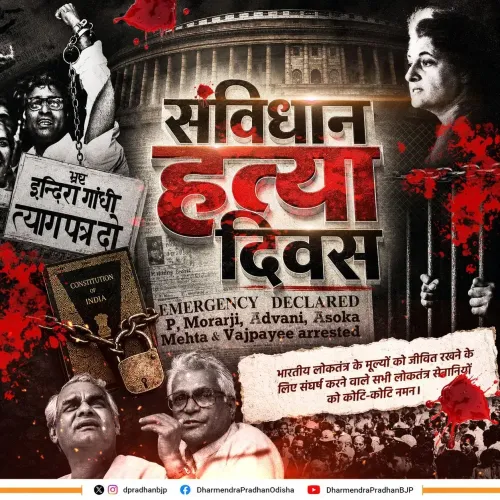
The BJP has observed 25 June as Samvidhan Hatya Diwas annually since 2014 to highlight Emergency-era excesses.
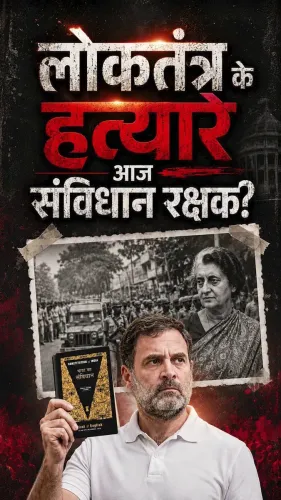
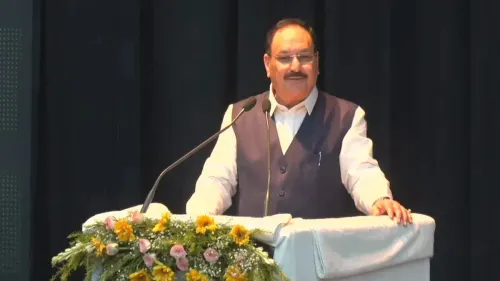
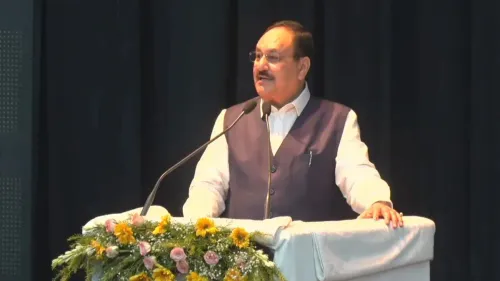
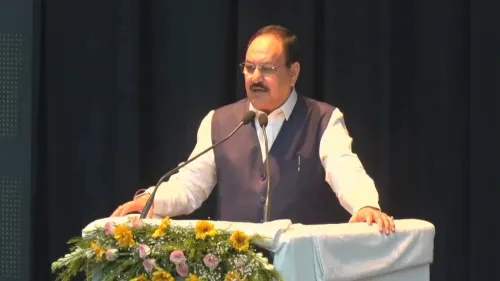
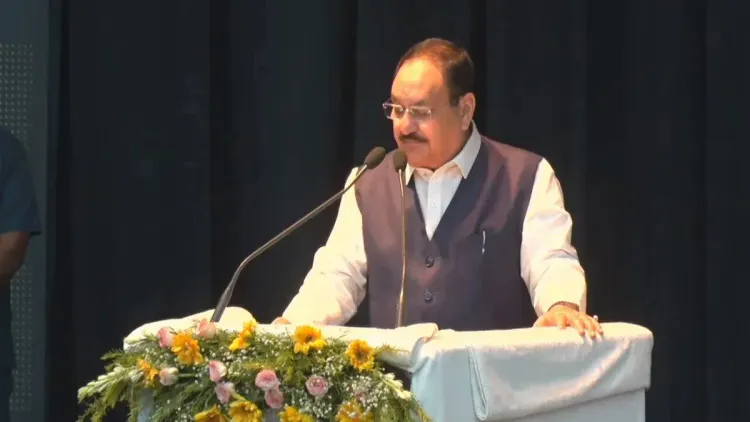
Union Health Minister J. P. Nadda on Thursday, 25 June 2026, marked Samvidhan Hatya Diwas by condemning the mass sterilisation drive carried out during the Emergency (1975–77), stating that 1 crore 10 lakh people were forcibly sterilised and that the figure exceeded the entire population of Greece at that time. He held the Congress directly responsible, calling the campaign an assault on humanity.
Context
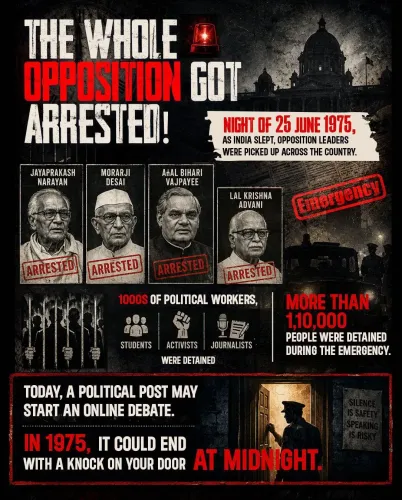
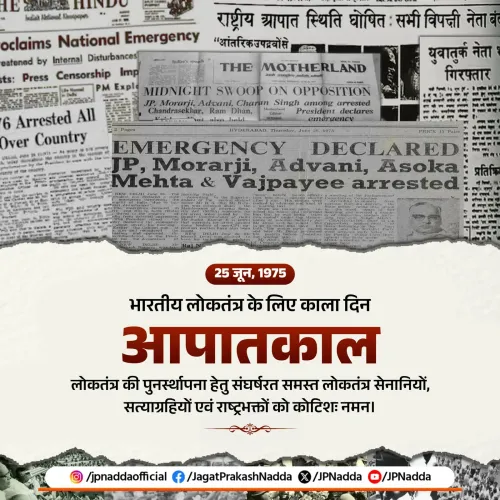
Nadda wrote in Hindi: 'आपातकाल के दौरान 1 करोड़ 10 लाख लोगों की जबरिया नसबंदी की गई' ['During the Emergency, 1 crore 10 lakh people were subjected to forced sterilisation']. He added that when doctors arrived in villages, young men were forced to flee their homes to escape the drive. The post carried the hashtag #SamvidhanHatyaDiwas, the BJP-designated name for 25 June — the date in 1975 when Prime Minister Indira Gandhi imposed the Emergency, suspending civil liberties and democratic processes for 21 months.
Policy Backdrop
India's family planning programme, launched under the First Five-Year Plan in 1951, was transformed during the Emergency into a coercive machinery. The 1976 National Population Policy set sterilisation targets and tied them to government benefits, promotions, and access to public services, creating institutional pressure on officials to meet quotas. Sanjay Gandhi, son of the Prime Minister and a dominant informal power centre during the period, actively supervised and promoted the sterilisation campaign, particularly targeting rural and low-income populations.
After the Emergency ended and the Janata Party came to power in 1977, the government formally renounced coercive population control methods and restored the programme to a voluntary basis. The episode remains one of the most cited examples of state overreach in independent India's history.
Stakeholders and Impact
The communities most affected were rural populations, particularly young men in villages, who according to contemporary accounts fled their homes when government medical teams arrived. The psychological and social disruption in affected communities has been documented in oral histories and judicial inquiries from the post-Emergency period. For the BJP, the annual observance of Samvidhan Hatya Diwas serves as both a historical reckoning and a political contrast — positioning the party as a defender of constitutional rights against what it describes as Congress's authoritarian legacy. The Congress has historically argued that the Emergency's population measures, while extreme, were driven by developmental pressures, a position the BJP consistently contests.
What's Next
The 25 June observance typically draws a cycle of statements and counter-statements from across the political spectrum, and 2026 is unlikely to be different. Parliamentary references to the Emergency era and its family-welfare abuses have been a recurring feature of budget and health-policy debates. Analysts will watch whether Nadda, in his dual role as BJP national president and Union Health Minister, follows the statement with any formal policy or parliamentary initiative — such as a revised framing of India's current voluntary family-planning guidelines — that draws a legislative contrast with the 1976 policy.
Point of View
He commands both party and state platforms simultaneously. The Emergency sterilisation campaign is one of the few episodes in post-independence history that retains genuine cross-partisan revulsion, making it potent rhetorical territory. By framing the Congress as the party that 'assaulted humanity,' Nadda is reinforcing a BJP meta-narrative that links the opposition's past authoritarianism to its present-day politics. The annual 25 June observance has steadily grown in institutional weight since 2014, suggesting the BJP intends to keep the Emergency a live issue rather than a settled historical footnote.
NationPress
24 Sept 2026
Frequently Asked Questions
What is Samvidhan Hatya Diwas?
Samvidhan Hatya Diwas, observed on 25 June, is the BJP's designated day to mark the anniversary of the Emergency imposed by Prime Minister Indira Gandhi in 1975, highlighting what the party describes as the Congress government's assault on the Constitution and civil liberties.
What happened during the Emergency sterilisation drive in India?
During the Emergency (1975–77), India's family planning programme became coercive under the 1976 National Population Policy, which set sterilisation targets linked to government benefits. Sanjay Gandhi, son of Prime Minister Indira Gandhi, actively supervised the campaign, which disproportionately affected rural and low-income communities.
How many people were forcibly sterilised during the Emergency according to JP Nadda?
According to J. P. Nadda's post on 25 June 2026, 1 crore 10 lakh (1.1 crore) people were forcibly sterilised during the Emergency, a figure he said exceeded the population of Greece at that time.
What did the BJP do to mark the Emergency anniversary in 2026?
Union Health Minister and BJP national president J. P. Nadda posted on X on 25 June 2026 condemning the Emergency-era forced sterilisations, using the hashtag #SamvidhanHatyaDiwas as part of the party's annual observance of the date.
When did India stop coercive family planning methods?
After the Emergency ended and the Janata Party came to power in 1977, the government formally renounced coercive sterilisation methods and returned India's family planning programme to a voluntary basis.