Is Factionalism and Organizational Divisions Hindering Naga Unity?

Synopsis
Nagaland Deputy Chief Minister T.R. Zeliang highlights the significant impact of **factionalism** and **organizational divisions** on Naga unity during a Christmas celebration. He urges the community to overcome fragmentation and embrace **togetherness** as a means for progress and harmony in the state.
Key Takeaways
Factionalism is a significant barrier to Naga unity.
The importance of harmony in overcoming divisions.
Christmas serves as a reminder of the strength found in togetherness .
Spiritual revival is essential for fostering peace and unity.
Nagaland's diversity should be embraced as a source of richness.
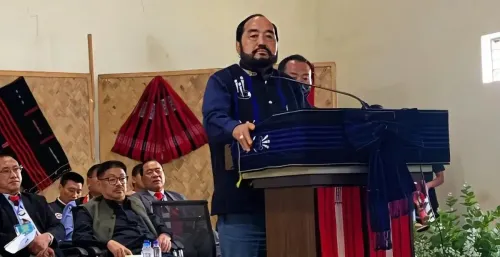
Kohima, Dec 7 (NationPress) Nagaland’s Deputy Chief Minister T.R. Zeliang stated on Sunday that the rise of factions within Naga groups and divisions among various organizations have resulted in numerous layers of fragmentation in the state, obstructing efforts aimed at achieving unity and collective progress.
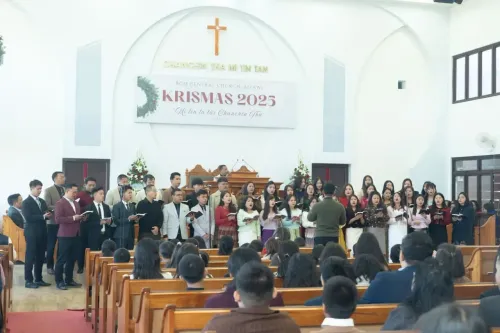
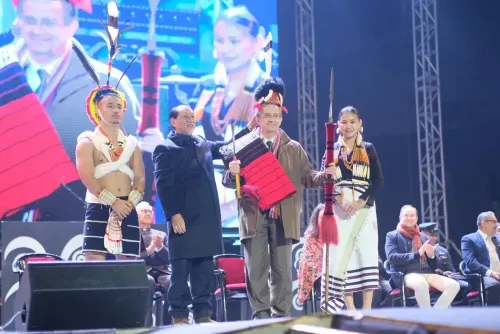
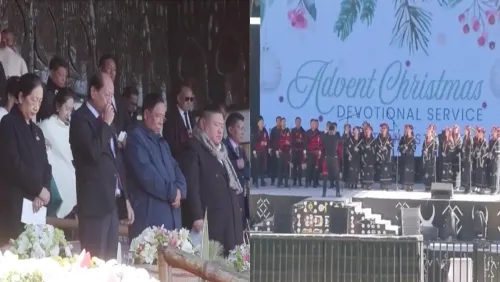
His comments were made during the Advent Christmas celebrations organized by the Nagaland Legislators’ Christian Fellowship and the Nagaland Joint Christian Forum (NJCF) under the theme "Born of God…" in this predominantly Christian state on the seventh day of the ongoing Hornbill Festival.
During his address, Zeliang expressed concern about the escalating divisions within the state, highlighting that numerous factions and organizations—both aboveground and underground—have contributed to layers of fragmentation.
The seasoned Naga leader warned that without a renewed commitment to harmony, these divisions could inflict long-term damage and instability.
Zeliang recognized the efforts of the Nagaland Joint Christian Forum in uniting various denominations and fostering Christian unity throughout the state. He encouraged the forum to extend this spirit of togetherness beyond the church, inspiring unity across all sectors of society.
He shared a message focused on unity, hope, and the collective responsibility of the people of Nagaland during difficult times. He reflected on the true meaning of Christmas, emphasizing that the season serves as a reminder of the strength found in togetherness.
Drawing inspiration from the nativity story, he pointed out how individuals from various backgrounds were united by a single light of hope, urging that this same spirit should guide the Naga people toward greater unity.
Reflecting on the Advent theme, he noted that the message of Christ’s birth remains timeless—a reminder that hope and clarity can emerge even amid uncertainty and division. He also mentioned the overwhelming turnout at the recent Healing and Revival Festival in Dimapur, where thousands gathered in search of spiritual renewal, describing it as a testament to the community’s desire for God’s mercy and blessings.
As Christmas lights began to illuminate homes, he urged citizens to view them as symbols of their shared responsibility to transcend division. He called for forgiveness, understanding, and genuine acceptance of one another, stressing that Nagaland’s diversity ought to be a source of richness rather than division.
Zeliang, a former Chief Minister of Nagaland, called for love, peace, and togetherness to guide the season, expressing hope that unity and cooperation will pave the way for harmony, progress, and prosperity in the year ahead.
NJCF Secretary Rev. Moses Murry expressed gratitude to the Chief Minister for supporting the devotional service and encouraged the congregation to look beyond the material aspects of Christmas, reminding them of its true purpose. He stressed the necessity for spiritual revival in Nagaland, noting that such renewal can nurture peace, unity, and a deeper sense of joy among the people.
He emphasized that Christmas represents the greatest gift to humanity and encouraged individuals to reflect on their hearts and their commitment to Jesus.
Attendees were warmly encouraged to embrace the spirit of Christmas and the message of hope it conveys to humanity.
Point of View
The remarks by Nagaland's Deputy Chief Minister T.R. Zeliang underscore a critical issue impacting regional stability and cohesion. The acknowledgment of factionalism and organizational divides highlights the urgent need for a unified approach to foster peace and progress within Naga society. This approach is essential not only for local governance but also for national integration.
NationPress
30 Sept 2026
Frequently Asked Questions
What did Zeliang say about factionalism in Nagaland?
Zeliang noted that factionalism and organizational divisions are creating layers of fragmentation, obstructing efforts towards unity and collective progress.
How does Zeliang view the role of the Nagaland Joint Christian Forum?
He acknowledged the forum's efforts in uniting various denominations and promoting Christian unity across the state.
What message did Zeliang convey during the Christmas celebration?
He emphasized the importance of unity, hope, and the collective responsibility of Nagas to overcome divisions.