How Does Nagaland’s Hornbill Festival Reflect the Human Spirit?
Synopsis
Discover how Nagaland's Hornbill Festival acts as a cultural beacon, showcasing the vibrant spirit of India and the Northeast's vital role in shaping the nation's narrative.
Key Takeaways
Nagaland's Hornbill Festival is a vital cultural event that merges tradition with modernity.
The festival showcases the rich heritage of the Naga tribes.
PM Modi's vision has placed the Northeast at the forefront of India’s development narrative.
The festival is a symbol of the unity rooted in cultural identity.
It emphasizes the importance of inclusive growth in India's journey.
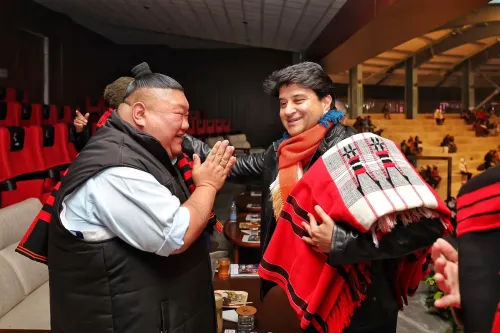
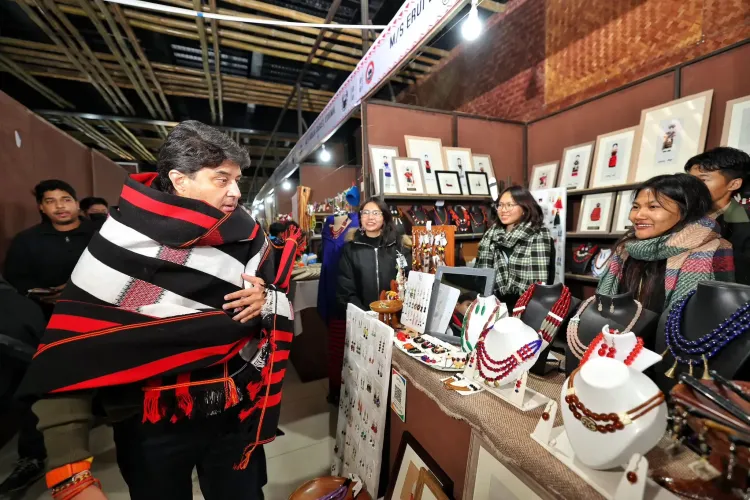
New Delhi, Dec 14 (NationPress) The office of Prime Minister Narendra Modi shared an article penned by Union Minister Jyotiraditya Scindia, showcasing Nagaland’s renowned Hornbill Festival as a vivid representation of India’s cultural essence and the increasing significance of the Northeast in the nation’s narrative.
“In this thought-provoking piece, Union Minister Jyotiraditya Scindia portrays Nagaland’s Hornbill Festival as a kaleidoscope of the human spirit and a remarkable blend of ancient traditions and modern influences. He emphasizes that our nation will only flourish when the Northeast thrives,” stated the PMO in a post on X.
Highlighting the region's importance, the PMO mentioned that the Northeast signifies the face of a new and confident India, asserting that Nagaland does not just host festivals but embodies the essence of celebration itself, rightfully earning the title, “Land of Festivals”.
In the article, Scindia remarked that PM Modi’s vision has brought the Northeast to the forefront of India’s development journey by unlocking its immense economic and human potential.
“The Hornbill Festival of Nagaland articulates this transformation through culture, demonstrating that growth is most robust when it is rooted in identity,” he elaborated.
Delving into the spirit of the festival, Scindia pointed out that Nagaland’s abundance of natural resources, spiritual heritage, sports traditions, skill sets, ecotourism, cuisine, and cultural vibrancy are not mere rhetoric but lived experiences.
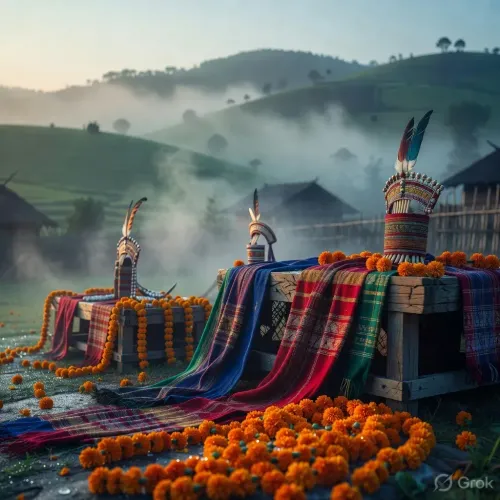
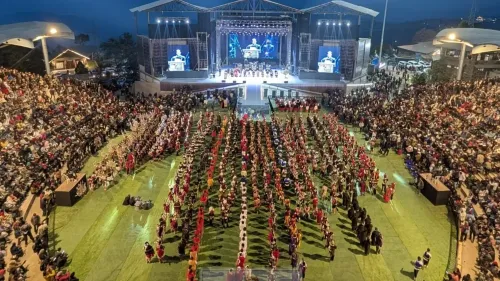
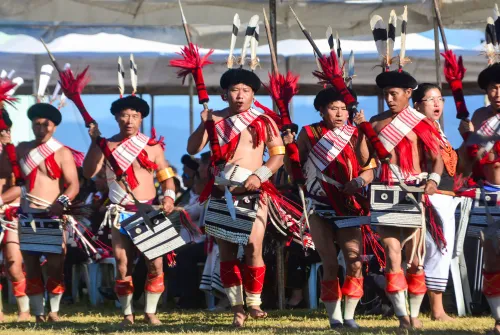
He characterized the Hornbill Festival at Kisama as a dynamic intersection of tradition and modernity.
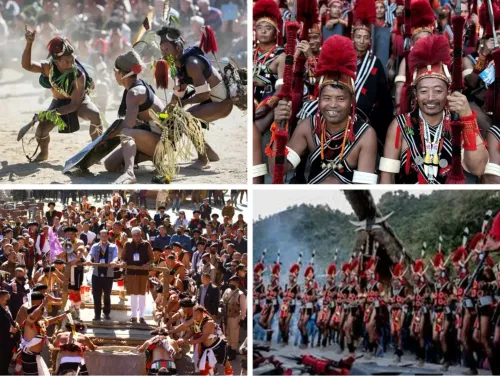
“The festival was a kaleidoscope of the human spirit -- a brilliant fusion of the past and present. The days were filled with the traditional songs and dances of the 17 Naga tribes, while the evenings sparkled with modern cultural expressions,” he wrote, noting the palpable energy during the Hornbill International Rock Contest, which attracted talented bands from both India and abroad.
Praising PM Modi’s leadership, Scindia noted that the Prime Minister’s ‘Act East’ vision has unlocked nearly $10 billion in ASEAN trade corridors, making Nagaland a pivotal gateway in the region’s growth narrative.
“These are not just bricks and mortar; they are lifelines -- arteries delivering prosperity to a region whose GDP has quadrupled since 2014,” he commented.
In an era when nations globally are rediscovering the significance of cultural identity, Scindia highlighted that the Hornbill Festival serves as a groundbreaking example of unity rooted in tradition.
He concluded that the festival embodies the Prime Minister’s mantra of “Vikas bhi, virasat bhi” -- development intertwined with heritage -- encapsulating the spirit of India’s inclusive and culturally attuned growth model.
Point of View
It's crucial to recognize the significance of Nagaland's Hornbill Festival as a beacon of cultural identity and unity in India. This event not only showcases the region's rich heritage but also emphasizes the importance of inclusivity in national development, aligning with the broader context of India's growth narrative.
NationPress
25 Sept 2026
Frequently Asked Questions
What is the Hornbill Festival?
The Hornbill Festival is an annual cultural festival in Nagaland that celebrates the rich heritage and traditions of the Naga tribes, featuring traditional music, dance, and art.
Why is the Hornbill Festival important?
It serves as a cultural expression of the Northeast, promoting unity, identity, and showcasing Nagaland's vibrant culture to both national and international audiences.
What does the festival symbolize?
The festival represents a blend of ancient traditions and contemporary expressions, highlighting the resilience and spirit of the Naga people.
How has PM Modi influenced the Northeast?
PM Modi's vision has emphasized the Northeast's role in India's development, unlocking economic potential and promoting cultural identity through initiatives like the Hornbill Festival.
What is the significance of the phrase 'Vikas bhi, virasat bhi'?
This phrase encapsulates the idea of development intertwined with heritage, reflecting the importance of cultural roots in India's growth model.