CM Naidu Vows Zero Tolerance on Drugs in Andhra Pradesh

Synopsis
On the UN's International Day Against Drug Abuse, Andhra Pradesh CM N. Chandrababu Naidu declared zero tolerance for drug trafficking and pledged state support for recovering addicts, signalling a dual enforcement-and-rehabilitation approach for the state.
Key Takeaways
Chandrababu Naidu made the declaration on 26 June 2026 , the International Day Against Drug Abuse and Illicit Trafficking .
Andhra Pradesh government has committed to 'zero tolerance for drug trafficking' and relentless prosecution of those responsible.
The policy pairs enforcement with rehabilitation, promising recovering addicts support to 'recover with dignity.' The hashtag #DrugsOdhuBro targets the state's youth, the demographic identified as most at risk.
The approach aligns with the national Nasha Mukt Bharat framework, which encourages coastal states to combine maritime interdiction with de-addiction infrastructure.
Key future indicators include AP Police narcotics seizure data and state budget allocations for new de-addiction centres.
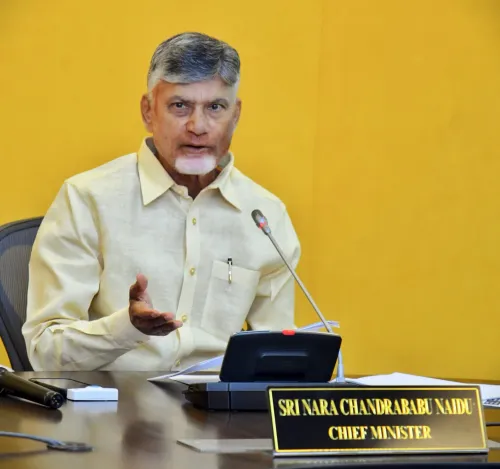
Andhra Pradesh Chief Minister N. Chandrababu Naidu on Friday, 26 June 2026, reaffirmed the state government's commitment to eliminating drug trafficking and supporting addiction recovery, marking the International Day Against Drug Abuse and Illicit Trafficking with a firm policy declaration on social media.
Context
The International Day Against Drug Abuse and Illicit Trafficking is observed every year on 26 June, established by the United Nations General Assembly through resolution 42/112 in 1987 to galvanise global action against narcotics. Chief Minister Naidu used the occasion to signal a clear break from what he described as a period when 'drugs were allowed to gain a foothold' in the state, framing the current administration's stance as one of 'zero tolerance for drug trafficking.' The post, carrying the hashtag #DrugsOdhuBro — a Telugu-inflected phrase meaning 'Say No to Drugs, Brother' — was directed squarely at the state's youth population.
Policy Backdrop
Andhra Pradesh, with its long eastern coastline, has historically been exposed to trafficking routes originating from Southeast Asia, making maritime interdiction a persistent law-enforcement priority. The state's approach aligns with the national Nasha Mukt Bharat framework, under which coastal states have been encouraged to combine enforcement with de-addiction infrastructure. Naidu's Telugu Desam Party (TDP) government, which returned to power after a gap, has positioned aggressive anti-narcotics enforcement as a governance priority alongside technology-led development.
The Chief Minister's statement explicitly pairs crackdown with compassion, pledging that those 'battling addiction' would receive support to 'recover with dignity and rebuild their lives.' This dual-track approach — prosecution of traffickers alongside rehabilitation of users — mirrors frameworks adopted by several other Indian states in recent years.
Stakeholders and Impact
The primary beneficiaries identified in Naidu's statement are Andhra Pradesh's youth and families affected by drug abuse, groups he described as the ultimate focus of the anti-drug fight. Recovering addicts represent a second key constituency, with the government signalling institutional support rather than punitive treatment for those seeking help. Law-enforcement agencies, particularly the Andhra Pradesh Police and coastal surveillance units, are the operational arms expected to deliver on the trafficking crackdown commitment.
Civil society organisations running de-addiction programmes and state health departments are likely to be drawn into the rehabilitation pillar of this approach. The messaging also carries a political dimension: by contrasting the current administration's 'zero tolerance' posture with an implied laxity in a previous dispensation, the statement serves as a governance benchmark the TDP government is setting for itself publicly.
What's Next
Observers will watch Andhra Pradesh Police quarterly narcotics seizure data and state budget allocations for de-addiction centres as concrete indicators of whether the policy commitment translates into measurable outcomes. The government's ability to demonstrate declining trafficking incidents along the coastline and improved rehabilitation capacity will be the key metrics against which this pledge is ultimately judged. A sustained enforcement record, rather than the declaration alone, will determine the credibility of the state's 'zero tolerance' position.
Point of View
Suggesting Amaravati is aligning with New Delhi's broader narcotics governance architecture rather than charting an independent course. The coastal vulnerability angle makes this more than rhetorical — Andhra Pradesh's exposure to Southeast Asian trafficking routes means the pledge will face a genuine operational test. Whether quarterly seizure data and de-addiction centre expansion follow the declaration will determine if this becomes a governance credential or a rhetorical footnote.
NationPress
24 Sept 2026
Frequently Asked Questions
What did Chandrababu Naidu say on International Anti-Drug Day 2026?
CM Naidu declared that Andhra Pradesh stands for 'zero tolerance for drug trafficking' and pledged full state support for people battling addiction, calling the fight against drugs a fight for the state's youth and their future.
What is #DrugsOdhuBro?
#DrugsOdhuBro is a Telugu-language hashtag used by CM Naidu in his post, roughly translating to 'Say No to Drugs, Brother,' aimed at connecting the anti-drug message directly with Andhra Pradesh's youth.
Why is Andhra Pradesh particularly vulnerable to drug trafficking?
Andhra Pradesh has a long eastern coastline that has historically served as an entry point for narcotics trafficking routes originating from Southeast Asia, making maritime interdiction a consistent law-enforcement challenge for the state.
What is the Nasha Mukt Bharat programme?
Nasha Mukt Bharat is a national framework that encourages Indian states, particularly coastal ones, to combine drug enforcement operations with de-addiction and rehabilitation infrastructure to address substance abuse comprehensively.
How will Andhra Pradesh's anti-drug commitment be measured?
Key indicators will include quarterly narcotics seizure data released by Andhra Pradesh Police and state budget allocations for new de-addiction centres, which will show whether the policy pledge is backed by operational and financial action.