CM Naidu Partners with India SME Forum to Boost AP's MSME Clusters
Synopsis
Andhra Pradesh Chief Minister N. Chandrababu Naidu has partnered with India SME Forum to strengthen the state's MSME ecosystem using the UNIDO Cluster Development Methodology, targeting improved competitiveness, enterprise collaboration, and market access for small businesses across the state.
Key Takeaways
Andhra Pradesh CM N.
Chandrababu Naidu announced a formal partnership with the India SME Forum on 25 May 2026 .
The collaboration is structured around the UNIDO Cluster Development Methodology , a globally recognised framework for MSME competitiveness.
Vinod Kumar , President of the India SME Forum, was present at the announcement.
Key goals include improved competitiveness, enterprise collaboration, market access, and sustainable cluster growth across Andhra Pradesh .
The initiative follows a broader national pattern of cluster-based MSME development seen in Gujarat , Tamil Nadu , and Maharashtra .
Sectors such as food processing, pharmaceuticals, and engineering are expected to be early focus areas for cluster rollout.
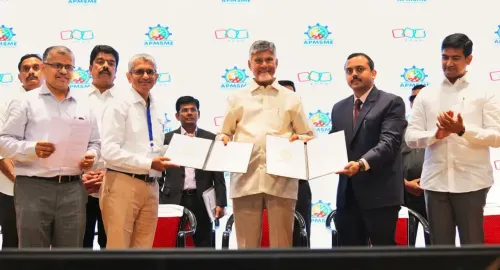
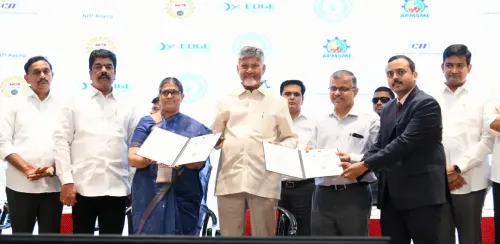
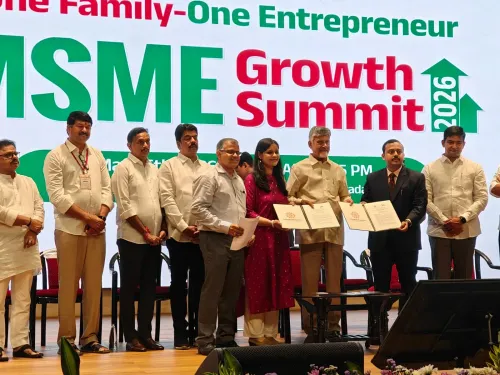
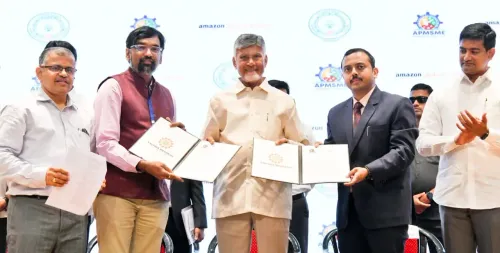
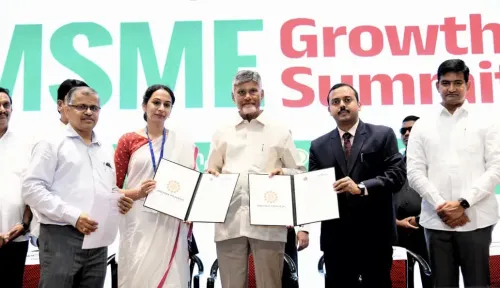
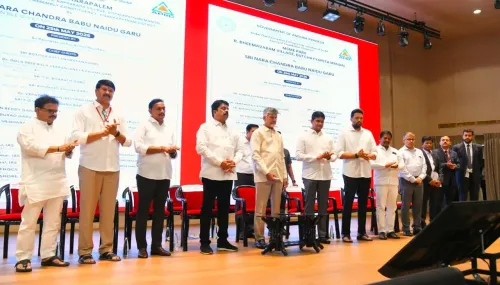
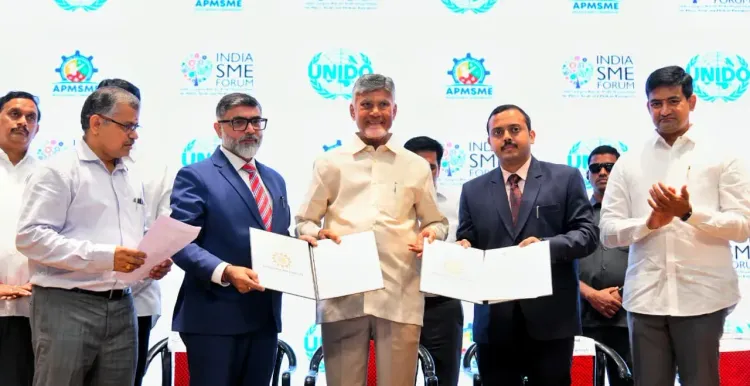
Andhra Pradesh Chief Minister N. Chandrababu Naidu on Monday, 25 May 2026 announced a formal partnership between the Andhra Pradesh government and the India SME Forum to strengthen the state's MSME ecosystem through structured cluster development based on the UNIDO Cluster Development Methodology. The collaboration aims to improve competitiveness, foster enterprise collaboration, enhance market access, and support sustainable growth of MSME clusters across the state.
Context
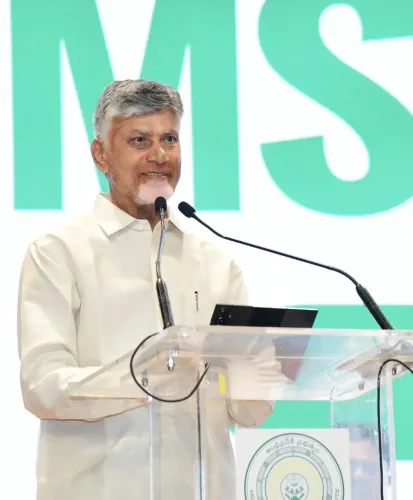
Announcing the tie-up, Chief Minister Naidu stated that the partnership will help 'improve competitiveness, foster collaboration among enterprises, enhance market access, and support the sustainable growth of MSME clusters across the State.' Vinod Kumar, President of the India SME Forum, was present at the occasion. The hashtag #MSMEwaveInAP signals an intent to position the initiative as a broader movement for small business growth in the state.
The India SME Forum is a national body representing micro, small and medium enterprises that advocates policy reforms and runs capacity-building programmes for SMEs across India. Its partnership with the state government brings national-level institutional expertise into Andhra Pradesh's industrial ecosystem.
Policy Backdrop
The move draws on the UNIDO Cluster Development Methodology, a globally recognised framework developed by the United Nations Industrial Development Organization to raise the collective efficiency and competitiveness of MSME clusters. UNIDO has been implementing cluster development projects in Indian states, including Andhra Pradesh, since the early 2000s.
Cluster-based MSME development has deep roots in Indian industrial policy. The Government of India's MSME Cluster Development Programme, launched in 2006, promoted collective infrastructure and technology upgradation. Andhra Pradesh's Industrial Development Policy 2015–20 similarly emphasised cluster formation and MSME support in the years following the state's bifurcation. Naidu's earlier administration also signed multiple MoUs for industrial and MSME parks between 2015 and 2018 to attract investment to the newly formed state.
Stakeholders and Impact
The primary beneficiaries of this collaboration are MSME units and local entrepreneurs across Andhra Pradesh. Sectors likely to see early cluster activity include food processing, pharmaceuticals, and engineering — areas where the state has existing industrial presence. Improved market access and joint infrastructure could help smaller enterprises overcome the scale disadvantages that have historically limited their growth.
Andhra Pradesh has pursued cluster-based industrial growth since the 2014 bifurcation to generate employment and diversify its manufacturing base following the loss of Hyderabad. This partnership follows a pattern seen in states such as Gujarat, Tamil Nadu, and Maharashtra, which have used similar cluster strategies to raise productivity and enable joint marketing among MSMEs.
What's Next
The rollout of specific clusters across identified sectors will be a key indicator of the partnership's on-ground impact. Observers will watch for any state budget allocations or MoUs with central ministries that provide funding support for the programme. The structured methodology-driven approach suggests a phased implementation, with cluster identification, enterprise mapping, and competitiveness interventions likely forming the early stages. If executed at scale, the initiative could meaningfully expand the industrial employment base in a state that has consistently sought to compensate for its post-bifurcation economic reset.
Point of View
Methodology-driven MSME development rather than ad hoc scheme announcements. By anchoring the initiative to the UNIDO framework, Naidu is lending international credibility to what is also a domestic political priority — rebuilding AP's industrial base after the loss of Hyderabad. The presence of India SME Forum's national president at the launch suggests the collaboration carries weight beyond a symbolic MoU. Whether the initiative translates into measurable cluster output will depend on budget commitments and inter-ministerial coordination that are yet to be publicly confirmed.
NationPress
19 Sept 2026
Frequently Asked Questions
What is the Andhra Pradesh and India SME Forum MSME partnership about?
The Andhra Pradesh government has partnered with India SME Forum to develop MSME clusters across the state using the UNIDO Cluster Development Methodology, aiming to improve competitiveness, market access, and sustainable growth for small businesses.
What is the UNIDO Cluster Development Methodology?
The UNIDO Cluster Development Methodology is a framework developed by the United Nations Industrial Development Organization to improve the collective efficiency and competitiveness of MSME clusters by fostering enterprise collaboration and joint infrastructure.
Who is Vinod Kumar of India SME Forum?
Vinod Kumar is the President of the India SME Forum, a national body representing micro, small and medium enterprises. He was present at the Andhra Pradesh partnership announcement on 25 May 2026.
How does Andhra Pradesh plan to grow its MSME sector?
Andhra Pradesh is pursuing structured cluster development in sectors such as food processing, pharmaceuticals, and engineering, drawing on national and international frameworks and institutional partnerships to compensate for the economic restructuring following the 2014 state bifurcation.
What is #MSMEwaveInAP?
#MSMEwaveInAP is the hashtag used by CM Chandrababu Naidu to promote the cluster-based MSME development initiative in Andhra Pradesh, positioning it as a broad movement for small business growth in the state.