CM Chandrababu Naidu Meets Union Jal Shakti Minister in Delhi
Synopsis
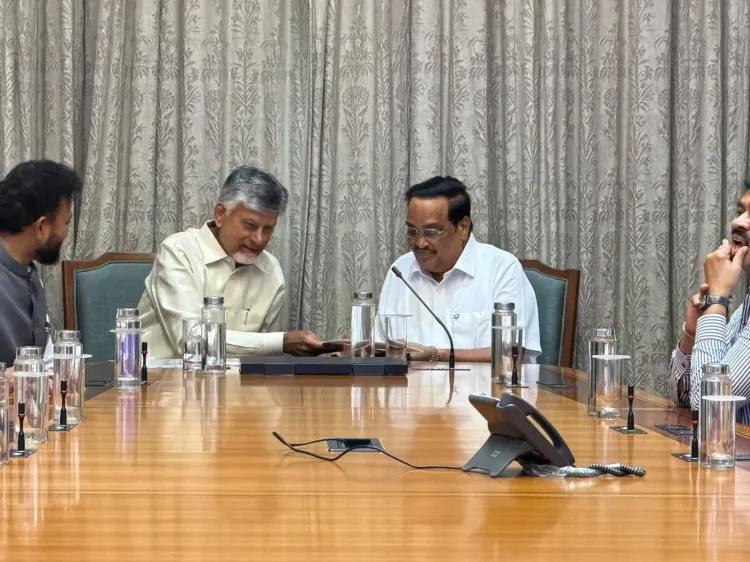
Chief Minister Nara Chandrababu Naidu met Union Jal Shakti Minister C. R. Patil in New Delhi on 22 July 2026 to discuss river water allocation and irrigation projects. The meeting reflects Andhra Pradesh's ongoing push for central support on the Polavaram project and post-bifurcation water-sharing arrangements on the Krishna and Godavari rivers.
Key Takeaways
CM Chandrababu Naidu held a bilateral meeting with Union Jal Shakti Minister C.
Patil in New Delhi on 22 July 2026 .
Discussions covered river water allocation and irrigation projects relevant to Andhra Pradesh .
The Polavaram Irrigation Project on the Godavari river , a declared national project since 2014 , is the state's flagship irrigation scheme and a key agenda in such central engagements.
Water-sharing between Andhra Pradesh and Telangana on the Krishna and Godavari basins has been governed by separate boards established under the AP Reorganisation Act, 2014 .
Farmers in Andhra Pradesh 's coastal and delta districts are the primary stakeholders in any progress on these water and irrigation issues.
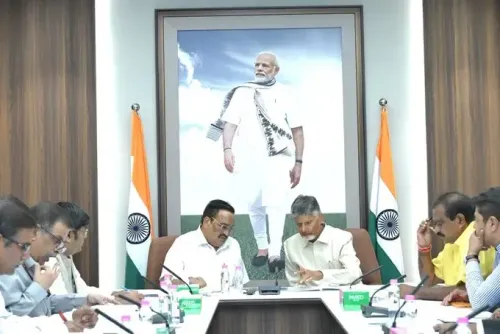
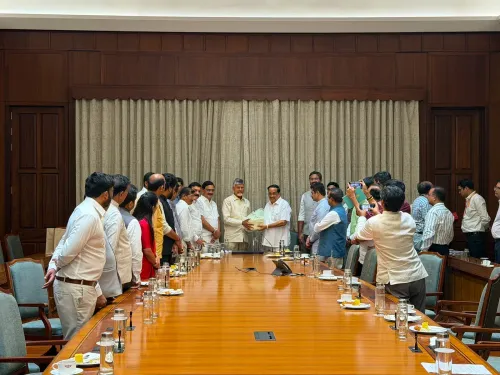
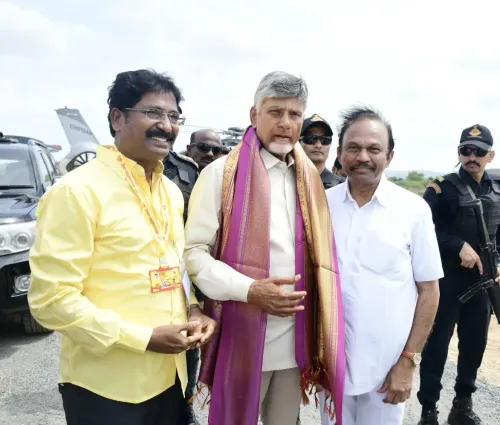
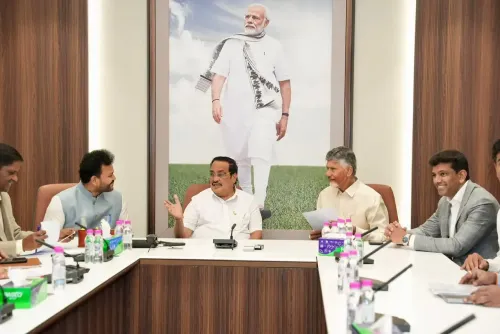
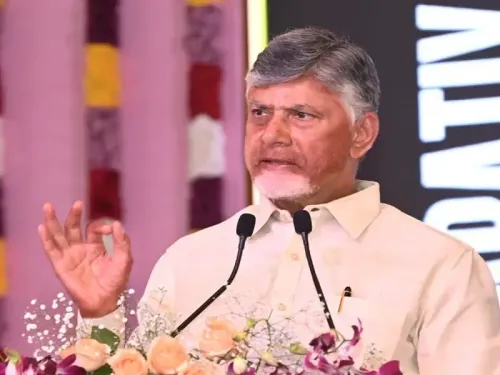
The Chief Minister's Office of Andhra Pradesh announced on Wednesday, 22 July 2026 that Chief Minister Nara Chandrababu Naidu met Union Minister for Jal Shakti C. R. Patil in New Delhi, with discussions centred on river water allocation and irrigation projects critical to the state.
The CMO post, originally in Telugu, stated: 'గౌరవ ముఖ్యమంత్రి శ్రీ నారా చంద్రబాబునాయుడు ఢిల్లీలో నేడు కేంద్ర జలశక్తి మంత్రి శ్రీ సీ ఆర్ పాటిల్ తో భేటీ అయ్యారు' — meaning 'Honourable Chief Minister Sri Nara Chandrababu Naidu met Union Jal Shakti Minister Sri C. R. Patil in Delhi today.' Both leaders discussed matters related to river waters and irrigation projects, according to the official post.
Context
Andhra Pradesh has long depended on the Krishna and Godavari river basins as the backbone of its agricultural economy, particularly for the fertile delta districts along the coast. Since the bifurcation of the state in 2014, water-sharing arrangements between Andhra Pradesh and Telangana have remained a live and sensitive issue, governed by separate river management boards established under the Andhra Pradesh Reorganisation Act, 2014.
Chief Minister Chandrababu Naidu, who has served multiple terms and built a track record on infrastructure and irrigation, has consistently engaged the Centre on expediting pending water projects. His meetings with Union ministers on these subjects are part of a pattern of active federal engagement on resource allocation.
Policy Backdrop
The Polavaram Irrigation Project on the Godavari river remains the centrepiece of Andhra Pradesh's irrigation ambitions. Declared a national project in 2014, Polavaram is designed to deliver irrigation water, hydropower, and drinking water to large parts of the state, and its completion has been a consistent demand of successive Andhra Pradesh governments seeking expedited central funding and clearances.
Union Minister C. R. Patil, as head of the Jal Shakti Ministry, holds authority over national water resources policy, central funding releases for major irrigation schemes, and coordination between states on interstate river disputes. The ministry also oversees the functioning of the Krishna and Godavari river management boards.
Stakeholders and Impact
Farmers across Andhra Pradesh's coastal and delta districts stand to gain most directly from any forward movement on irrigation infrastructure and water allocation. The Krishna and Godavari basins together support millions of agricultural livelihoods, and delays in project completion or disputes over water shares translate directly into cropping uncertainty and rural economic stress.
Interstate river-water negotiations are a recurring feature of Indian federalism, and bilateral meetings between state chief ministers and the Jal Shakti Ministry are a standard mechanism through which states advance pending projects and press for resolution of allocation disputes within the national river-basin governance framework, which also includes tribunals and statutory boards.
What's Next
Observers will watch for follow-up announcements from the Jal Shakti Ministry on funding releases for Polavaram or revised water-sharing orders from the Krishna and Godavari management boards. Any outcomes from this meeting could surface in parliamentary proceedings or in the Andhra Pradesh state assembly, where water security remains a politically significant issue. The engagement signals that Chandrababu Naidu's government is maintaining active pressure on the Centre to advance the state's irrigation agenda.
Point of View
Contested river allocations, and farmer anxiety in the delta districts — such meetings are not routine courtesies but functional necessities within India's federal water governance architecture. Naidu's track record of leveraging central relationships for state infrastructure goals suggests this meeting is part of a deliberate and sustained lobbying strategy. The outcomes, if any, will be watched closely by both the agricultural constituency in Andhra Pradesh and by Telangana, which shares the same river basins.
NationPress
21 Oct 2026
Frequently Asked Questions
Why did CM Chandrababu Naidu meet the Jal Shakti Minister in Delhi?
CM Chandrababu Naidu met Union Jal Shakti Minister C. R. Patil in New Delhi on 22 July 2026 to discuss river water allocation and irrigation projects concerning Andhra Pradesh, according to the official Chief Minister's Office post.
What is the Polavaram Irrigation Project and why is it important for Andhra Pradesh?
The Polavaram Irrigation Project is a major dam and canal scheme on the Godavari river, declared a national project in 2014, designed to provide irrigation water, drinking water, and hydropower to large parts of Andhra Pradesh. Its completion has been a central demand of Andhra Pradesh governments from the Centre.
What is the Jal Shakti Ministry responsible for?
The Union Ministry of Jal Shakti is responsible for national water resources policy, central funding for major irrigation and drinking water projects, and coordinating between states on interstate river allocation disputes and management boards.
What are the Krishna and Godavari water boards?
The Krishna River Management Board and the Godavari River Management Board were established under the Andhra Pradesh Reorganisation Act, 2014 to oversee water allocation between Andhra Pradesh and Telangana after the bifurcation of the state.
How does Andhra Pradesh's water dispute with Telangana affect farmers?
Farmers in Andhra Pradesh's coastal and delta districts depend heavily on the Krishna and Godavari river systems for irrigation. Unresolved water-sharing disputes and delays in completing irrigation infrastructure create uncertainty over water availability, directly affecting cropping patterns and rural livelihoods.