CM Naidu Meets Gadkari, Goyal to Push AP's Big Infrastructure Asks
Synopsis
Andhra Pradesh CM Chandrababu Naidu met Union Ministers Nitin Gadkari and Piyush Goyal in New Delhi on October 8, 2026, seeking central backing for the 189-km Amaravati Outer Ring Road, Polavaram bridge, Beach Road, transfer of 20,378 acres of DPIIT salt lands, and expanded export support for chilli, tobacco, and aqua farmers.
Key Takeaways
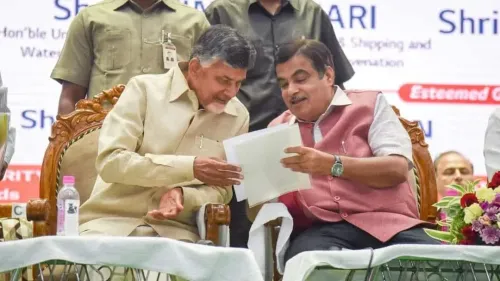
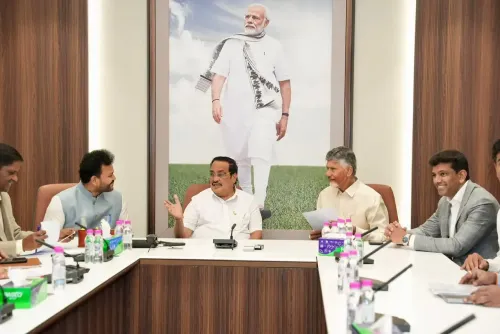
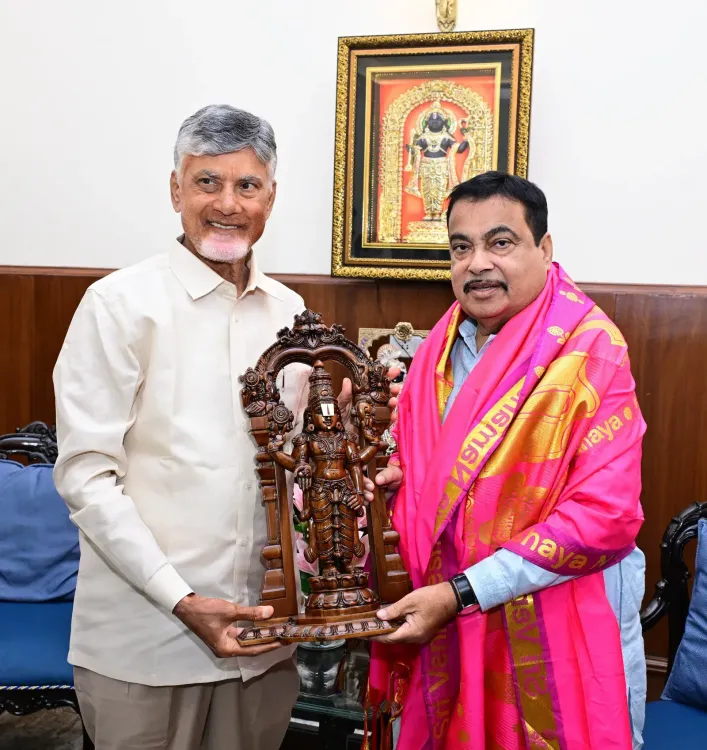
CM Naidu held meetings with Union Ministers Nitin Gadkari and Piyush Goyal in New Delhi on October 8, 2026 .
Sought central support for the 189-km Amaravati Outer Ring Road , a key connectivity project for the state capital.
Raised the Polavaram iconic bridge and the Beach Road project as critical infrastructure priorities needing Union backing.
Requested transfer of 20,378 acres of DPIIT salt lands to Andhra Pradesh to accelerate port-led industrialisation.
Urged the Centre to expand export avenues for chilli, tobacco, and aquaculture farmers — sectors vital to AP's rural economy.
Naidu described the ministers' response as 'encouraging', signalling productive dialogue with the Union government.
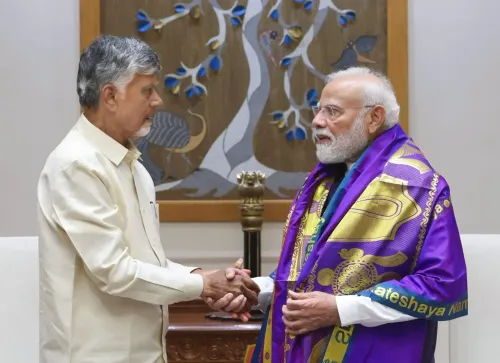
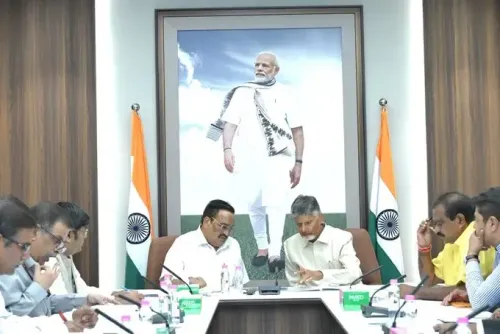
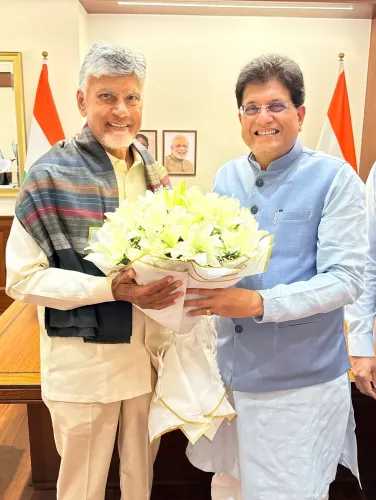
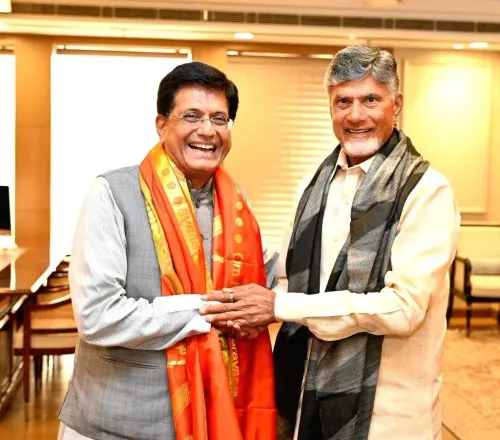
Andhra Pradesh Chief Minister N. Chandrababu Naidu took his state's most pressing development demands straight to the top in New Delhi on Thursday, October 8, 2026 — holding back-to-back meetings with two of the Union Cabinet's most powerful infrastructure and commerce ministers to secure central backing for projects that could reshape the state's economic geography.
Three infrastructure asks at the heart of the pitch
Naidu called on Union Ministers Nitin Gadkari (Road Transport and Highways) and Piyush Goyal (Commerce and Industry) to press for central support on a trio of high-profile physical infrastructure projects. The centrepiece is the 189-km Amaravati Outer Ring Road, a corridor designed to stitch together the state's planned capital city with surrounding districts and unlock land value across the region. He also sought support for the Polavaram iconic bridge — a landmark structure linked to the long-contested Polavaram irrigation project — and the Beach Road project, which would open up the coastline for connectivity and tourism-led growth.
Each of these requests lands on Gadkari's desk, the minister who controls national highway funding and project approvals. Naidu's direct outreach signals that Amaravati's infrastructure pipeline needs central financial muscle, not just state-level planning.
The salt lands gambit: 20,378 acres for port-led industry
Perhaps the most consequential single ask of the day was the request to transfer 20,378 acres of DPIIT salt lands to Andhra Pradesh. Salt lands — stretches of coastal terrain historically managed by the central government's Department for Promotion of Industry and Internal Trade — represent some of the most strategically located real estate on India's eastern seaboard. Naidu's argument: hand this land to the state, and it can fast-track port-led industrialisation along the Andhra coastline, attracting logistics hubs, manufacturing clusters, and export infrastructure that the state is actively trying to build.
This is a bureaucratic unlock that could move faster than any new scheme — no fresh legislation required, just an inter-departmental transfer. The scale of 20,378 acres gives a sense of the ambition: it is not a pilot plot but an industrial-scale land bank.
A lifeline for chilli, tobacco, and aqua farmers
Beyond steel and concrete, Naidu raised the stakes for Andhra Pradesh's farming communities. He urged the Centre to expand export avenues for three of the state's most economically vital agricultural commodities — chilli, tobacco, and aquaculture produce. Andhra Pradesh is among India's largest producers of all three, and farmer incomes in these sectors are tightly coupled to global demand and export policy. Any easing of export restrictions, improvement in quality certification infrastructure, or opening of new trade corridors would directly translate to income for millions of rural households.
The choice to raise agricultural exports alongside road and port infrastructure is deliberate — it frames Andhra Pradesh's development model as one where coastal connectivity and farm-to-port pipelines are two sides of the same coin.
An 'encouraging response' and what comes next
Naidu described the ministers' response as 'encouraging' — diplomatic language that confirms the conversation was productive without committing either side to a timeline. The real test will come in formal project approvals, Ministry of Road Transport sanction orders, and whether the DPIIT salt land transfer moves through inter-ministerial channels in the weeks ahead.
For a state that is rebuilding its capital from scratch and racing to attract investment, every central nod counts. Naidu's New Delhi sprint today puts the projects firmly on the record — and on the ministers' desks.
Point of View
Suggesting the TDP government is hunting for quick unlocks ahead of the next electoral cycle. The bundling of agricultural export asks with hard infrastructure signals a conscious attempt to build a broad-based development narrative that speaks to both coastal investors and the farming belt simultaneously.
NationPress
8 Oct 2026
Frequently Asked Questions
What projects did Chandrababu Naidu discuss with Nitin Gadkari in New Delhi?
CM Naidu sought central support for the 189-km Amaravati Outer Ring Road, the Polavaram iconic bridge, and the Beach Road project — all critical infrastructure initiatives for Andhra Pradesh requiring Union government backing.
What is the DPIIT salt lands transfer request by Andhra Pradesh?
Naidu requested the transfer of 20,378 acres of coastal salt lands managed by the DPIIT (Department for Promotion of Industry and Internal Trade) to Andhra Pradesh, aiming to use this land bank to fast-track port-led industrialisation along the state's coastline.
Why is the Amaravati Outer Ring Road important for Andhra Pradesh?
The 189-km Amaravati Outer Ring Road is designed to connect the state's planned capital city with surrounding districts, unlock real estate value, and provide the connectivity backbone for Amaravati's development as a functioning capital.
What did CM Naidu ask Piyush Goyal regarding farmers?
Naidu urged Commerce Minister Piyush Goyal to expand export avenues for Andhra Pradesh's chilli, tobacco, and aquaculture farmers — three agricultural sectors central to the state's rural economy and highly dependent on international market access.
What was the outcome of Naidu's meetings with Union Ministers on October 8, 2026?
Naidu described the response from both ministers as 'encouraging', indicating a positive reception to Andhra Pradesh's requests, though formal approvals and timelines are yet to be confirmed.