NEET exam task force under Nandan Nilekani slammed by Congress as Modi image fix
Synopsis
Two years after the first NEET paper-leak crisis, the Modi government has formed a second expert panel — this time led by Nandan Nilekani. Congress says the government hasn't implemented 101 recommendations from the first panel, never appointed a full-time NTA chief, and is now using a high-profile name to paper over a deepening credibility deficit.
Key Takeaways
Congress dismissed the Nandan Nilekani -led High Powered Task Force on Exam Reforms as a bid to 'fix' PM Modi 's image rather than fix the examination system.
Jairam Ramesh noted that the government's earlier K Radhakrishnan Committee submitted 101 recommendations in 2024 , most of which reportedly remain unimplemented.
The National Testing Agency (NTA) reportedly went without a full-time Director General for most of the two years between the 2024 and 2026 alleged paper leaks.
The task force also includes former ISRO Chairman S.
Somnath , former IB Director Tapan Deka , IIT Chennai Director V.
Kamakoti , former Education Secretary Anita Karwal , and Logistics Expert Amrit Lal Meena .
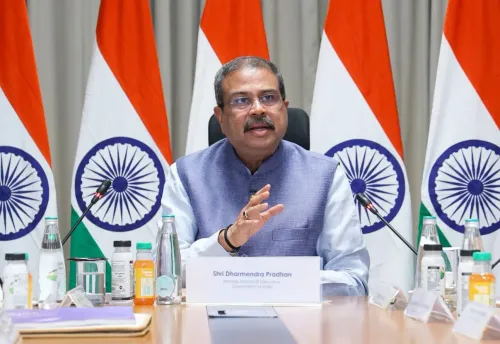
The announcement followed the resignation of Union Education Minister Dharmendra Pradhan amid a students' agitation over alleged paper leaks.
The Congress on Sunday, 26 July 2026 dismissed the newly constituted High Powered Task Force on Exam Reforms, headed by Infosys co-founder Nandan Nilekani, as a political exercise designed to rehabilitate Prime Minister Narendra Modi's 'irretrievably compromised image' rather than address systemic failures in India's examination infrastructure.
Congress Attacks the Task Force
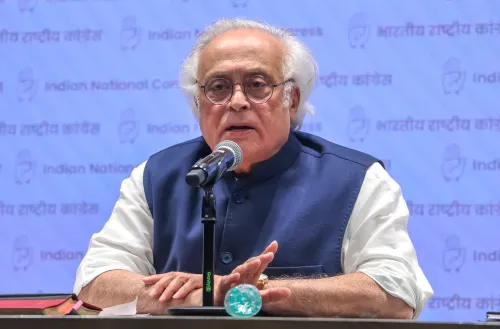
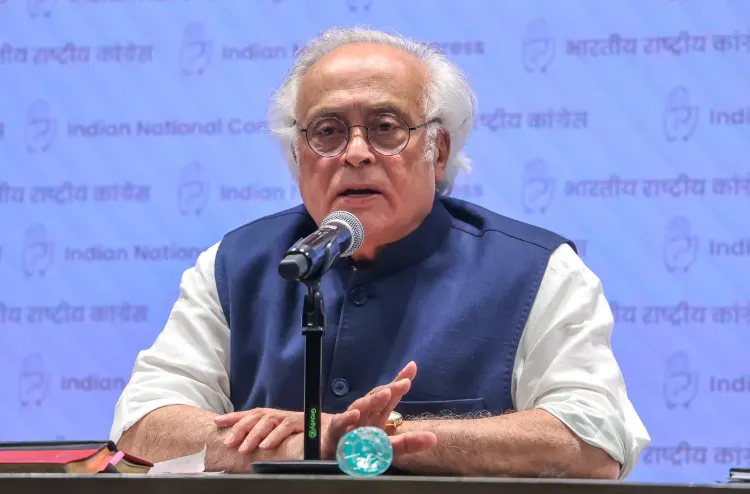
Jairam Ramesh, Congress MP and General Secretary in-charge of Communications, took to X to mount a pointed critique. 'Friends, in June 2024, after it bungled multiple examinations including NEET-UG, the Modi Government constituted a High-Level Committee of Experts headed by Dr K Radhakrishnan to ensure transparent, smooth and fair conduct of examinations,' Ramesh wrote.
He added that in July 2026, after what he described as a repeat bungling of NEET-UG and other examinations, the government has now constituted yet another panel — this time a 'High Powered Task Force' — to focus on examination reform. Ramesh argued the government has still not finished implementing the K Radhakrishnan Committee's 101 recommendations, and that for most of the two years between the 2024 and 2026 alleged paper leaks, it did not even appoint a full-time Director General for the National Testing Agency (NTA).
'This is ultimately only a High-Powered attempt to fix the Pradhan Mantri's irretrievably compromised image,' Ramesh said, in a direct reference to the Nilekani-led body.
What the Task Force Comprises
Prime Minister Modi announced the task force a day after a students' agitation against alleged paper leaks concluded following the resignation of Union Education Minister Dharmendra Pradhan. The PM stated that the task force's report will inform steps to ensure the credibility of upcoming examinations.
Alongside Nilekani — widely credited as the architect of the Aadhaar identification system — the panel includes former ISRO Chairman S. Somnath, former Intelligence Bureau (IB) Director Tapan Deka, IIT Chennai Director V. Kamakoti, former Education Secretary Anita Karwal, and Logistics Expert Amrit Lal Meena, according to an official statement.
Pattern of Panels, Pattern of Delays
This comes amid a broader credibility crisis for the NTA, which has faced allegations of paper leaks in two consecutive examination cycles. Notably, the Radhakrishnan Committee — set up under similar circumstances in 2024 — submitted 101 recommendations, the bulk of which critics say remain unimplemented. The absence of a permanent NTA Director General during this period has drawn particular scrutiny, with opposition leaders arguing it reflects institutional neglect rather than systemic reform.
What Happens Next
The Nilekani-led task force is expected to submit its findings ahead of the next major examination cycle. Whether its recommendations will be actioned more swiftly than its predecessor's remains the central question. The government has not yet specified a timeline for the report or a mechanism for tracking implementation.
Point of View
Buy time — has now repeated itself in consecutive examination cycles, and the pattern is hard to ignore. The Radhakrishnan Committee was credible on paper; 101 recommendations later, most remain on paper. Nilekani brings genuine technology credibility, but credibility borrowed from Aadhaar cannot substitute for institutional will at the NTA. The deeper problem is structural: an examining body that cycled through leadership vacuums during its worst crisis years is not a technology problem awaiting a Nilekani fix — it is a governance failure awaiting accountability. Until the government specifies timelines, assigns responsibility, and reports publicly on implementation, each new panel risks becoming a pressure-release valve rather than a reform instrument.
NationPress
26 Jul 2026
Frequently Asked Questions
Why has Congress criticised the Nandan Nilekani-led exam reform task force?
Congress argues the task force is a political manoeuvre to restore PM Modi's image rather than a genuine reform effort, pointing out that the government has not implemented the 101 recommendations of the earlier Radhakrishnan Committee formed after the 2024 NEET paper-leak crisis.
Who are the members of the Nilekani-led High Powered Task Force on Exam Reforms?
The task force includes Infosys co-founder Nandan Nilekani, former ISRO Chairman S. Somnath, former IB Director Tapan Deka, IIT Chennai Director V. Kamakoti, former Education Secretary Anita Karwal, and Logistics Expert Amrit Lal Meena.
What was the K Radhakrishnan Committee and what did it recommend?
The K Radhakrishnan Committee was a High-Level Committee of Experts constituted by the Modi government in June 2024 following alleged paper leaks in NEET-UG and other examinations. It submitted 101 recommendations aimed at ensuring transparent and fair conduct of examinations, most of which, according to Congress, remain unimplemented as of July 2026.
Why did Education Minister Dharmendra Pradhan resign?
Union Education Minister Dharmendra Pradhan resigned following a students' agitation against alleged paper leaks in NEET-UG and other examinations. His resignation preceded the announcement of the Nilekani-led task force by one day.
What is the National Testing Agency's role in the controversy?
The National Testing Agency (NTA) conducts major national examinations including NEET-UG. It has faced allegations of paper leaks in both 2024 and 2026, and Congress has highlighted that the agency reportedly went without a full-time Director General for most of the two-year period between the two alleged leak incidents.