NCB destroys ₹236 crore narcotics in Dehradun, 303 kg incinerated
Synopsis
The NCB incinerated ₹236 crore worth of narcotics in Dehradun — more than six times the value destroyed in its previous drive in Bengaluru. The simultaneous release of a Voluntary Code of Conduct for the chemical industry signals a strategic shift: the agency is now targeting the precursor supply chain, not just the street-level drug trade.
Key Takeaways
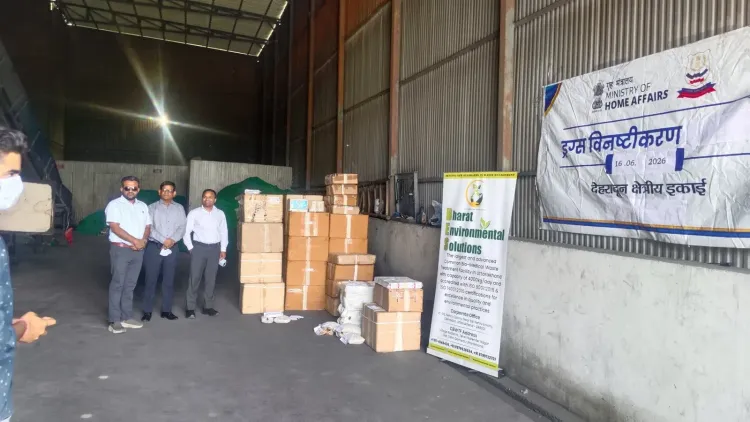
The NCB destroyed 303 kg of narcotics worth ₹236 crore at its Dehradun incineration facility on 17 June .
Substances incinerated included Tramadol tablets , Alprazolam tablets , and Charas , linked to 11 pre-trial and post-trial cases .
The previous NCB destruction drive — by the Bengaluru Unit — covered 128.75 kg valued at ₹38 crore .
Director General Anurag Garg released a Voluntary Code of Conduct (VCC) for the chemical and pharmaceutical industry to prevent precursor diversion.
Citizens can report drug-related information via the MANAS Helpline at toll-free number 1933 ; informer identity is kept confidential.
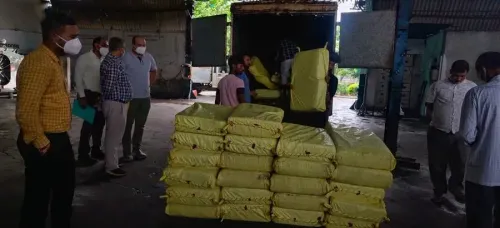
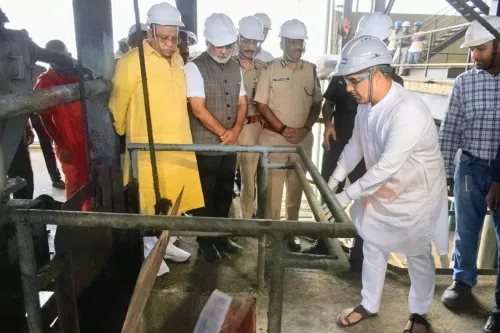
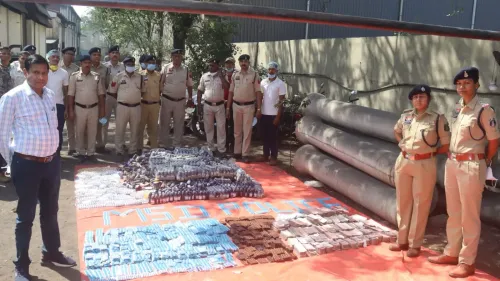
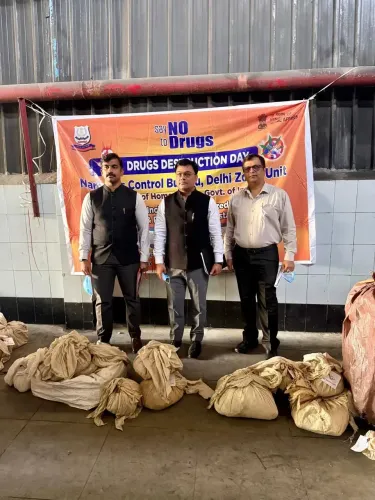
The Narcotics Control Bureau (NCB) on Wednesday, 17 June incinerated 303 kilograms of seized narcotic drugs at its dedicated facility in Dehradun, Uttarakhand, with the destroyed contraband carrying a market value of ₹236 crore. The disposal, carried out as part of a structured drug destruction drive, covered substances linked to 11 pre-trial and post-trial cases.
What Was Destroyed
The 303 kg cache included Tramadol tablets, Alprazolam tablets, and Charas — a mix of pharmaceutical-grade controlled substances and traditional contraband. All materials were incinerated at the NCB's certified Dehradun facility, in line with legal protocols governing drug disposal in India.
This scale of destruction is notably larger than the agency's previous such drive, in which the NCB Bengaluru Unit destroyed 128.75 kg of seized narcotics — including ganja, hydroponic ganja, cocaine, methamphetamine, MDMA, and THC — valued at ₹38 crore, through incineration at a certified facility in Hoskote.
What the NCB Said
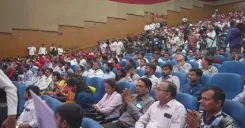
Director General Anurag Garg addressed the occasion, stressing that enforcement alone cannot defeat the growing threat of synthetic drugs. He argued that industries handling precursor chemicals — manufacturers, importers, exporters, distributors, transporters, and traders — are often best placed to flag suspicious procurement patterns, unusual consumption trends, and attempts to conceal end-use information.
On the occasion, Garg also released a Voluntary Code of Conduct (VCC) for the chemical and pharmaceutical industry — a guidance framework designed to encourage responsible chemical stewardship, strengthen supply-chain integrity, and promote early detection and reporting of suspicious transactions. The VCC aims to close a critical gap: illicit drug manufacture frequently depends on legally traded precursor chemicals that slip through without adequate scrutiny.
Nasha Mukt Bharat and Citizen Participation
The NCB reiterated its call for public cooperation, urging citizens to report drug-related information through the MANAS Helpline (Toll-Free: 1933), with assurances that the identity of informers will be kept strictly confidential. Regular drug destruction drives of this kind are part of the agency's broader Nasha Mukt Bharat initiative — the Centre's flagship programme targeting a drug-free India.
Broader Context
The Dehradun destruction drive underscores the NCB's intensified push to prevent recirculation of seized narcotics into the supply chain. Drug disposal drives are conducted periodically across multiple NCB zonal units, and the inclusion of pharmaceutical opioids like Tramadol and Alprazolam signals a growing concern over the diversion of prescription drugs for recreational abuse — a trend that has accelerated in several northern and northeastern states. The release of the VCC for the chemical industry marks a shift toward upstream prevention, complementing the agency's downstream interdiction operations.
Point of View
But the more significant development is the Voluntary Code of Conduct for the chemical industry. Enforcement agencies have long acknowledged that seizing finished narcotics is a rearguard action — the real leverage is in disrupting precursor supply chains before illicit synthesis begins. Whether industry compliance with a voluntary framework will be meaningful without mandatory reporting obligations or penalties for non-disclosure remains an open question. The inclusion of pharmaceutical opioids like Tramadol and Alprazolam in the destroyed cache also points to a widening abuse profile that traditional anti-narcotics strategy — focused on plant-based drugs — is still catching up to.
NationPress
24 Sept 2026
Frequently Asked Questions
What narcotics did the NCB destroy in Dehradun on 17 June?
The NCB destroyed 303 kg of narcotics worth ₹236 crore, comprising Tramadol tablets, Alprazolam tablets, and Charas. The substances were linked to 11 pre-trial and post-trial cases and were incinerated at the agency's certified Dehradun facility.
What is the MANAS Helpline and how can citizens use it?
The MANAS Helpline is a toll-free number (1933) operated by the NCB for citizens to report narcotics-related information. The agency assures that the identity of all informers is kept strictly confidential.
What is the NCB's Voluntary Code of Conduct for the chemical industry?
The Voluntary Code of Conduct (VCC) is a guidance framework released by NCB Director General Anurag Garg to encourage responsible chemical stewardship among manufacturers, importers, exporters, distributors, and traders. It aims to strengthen supply-chain integrity and promote early detection of suspicious transactions that could indicate precursor diversion for illicit drug manufacture.
How does this drug destruction drive compare to the previous one?
The Dehradun drive destroyed 303 kg worth ₹236 crore — significantly larger than the previous NCB drive by the Bengaluru Unit, which incinerated 128.75 kg valued at ₹38 crore. The Bengaluru destruction included ganja, cocaine, methamphetamine, MDMA, and THC.
What is the Nasha Mukt Bharat initiative?
Nasha Mukt Bharat is the Centre's flagship programme aimed at achieving a drug-free India. Regular drug destruction drives conducted by NCB units across the country form a core part of this initiative, alongside public awareness campaigns and citizen reporting mechanisms.