NCB busts Delhi-Kashmir pharma drug network; 5 lakh tablets seized, 4 arrested
Synopsis
A concealed warehouse in Shahdara, Delhi, stocked with over five lakh controlled pharmaceutical tablets and bottles was the nerve centre of a drug pipeline running all the way to Kashmir — and the NCB only found it by intercepting a single bus in Udhampur. Four arrests later, investigators are now chasing the money and the supply chain behind one of the larger pharma-diversion busts in the region this year.
Key Takeaways
The NCB Jammu and Delhi Zonal Units jointly busted an interstate pharmaceutical drug trafficking network supplying drugs from Delhi to the Kashmir Valley .
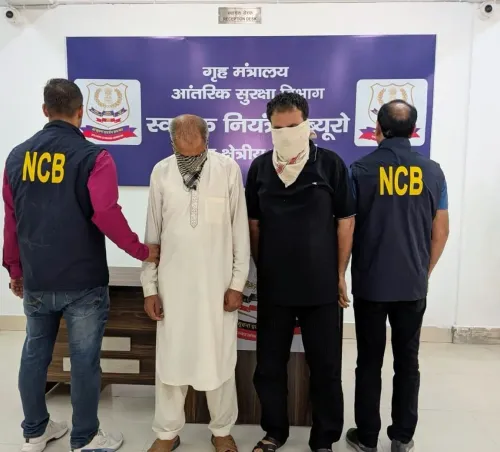
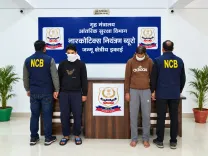
Four people have been arrested; the operation ran from 16 to 19 November 2024 .
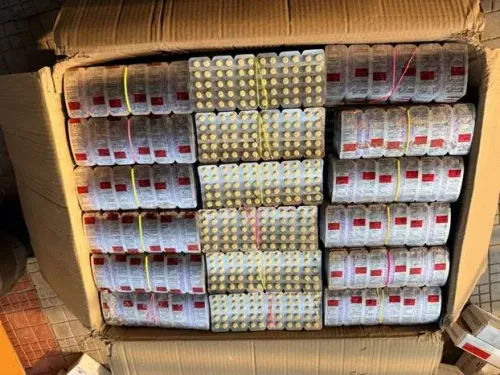
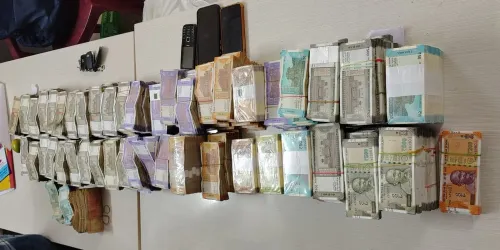
Over five lakh tablets, capsules, and bottles containing tramadol hydrochloride , alprazolam , nitrazepam , and codeine were seized from a clandestine godown in Shahdara, Delhi .
The operation began with the interception of a Srinagar-bound bus near Mada Toll Plaza, Udhampur , where approximately 7 kg of codeine-based cough syrup was recovered.
The NCB is tracing how controlled pharmaceuticals were diverted from legitimate supply chains and is pursuing financial links sustaining the network.
Citizens can report drug trafficking information confidentially via the MANAS helpline (1933) .
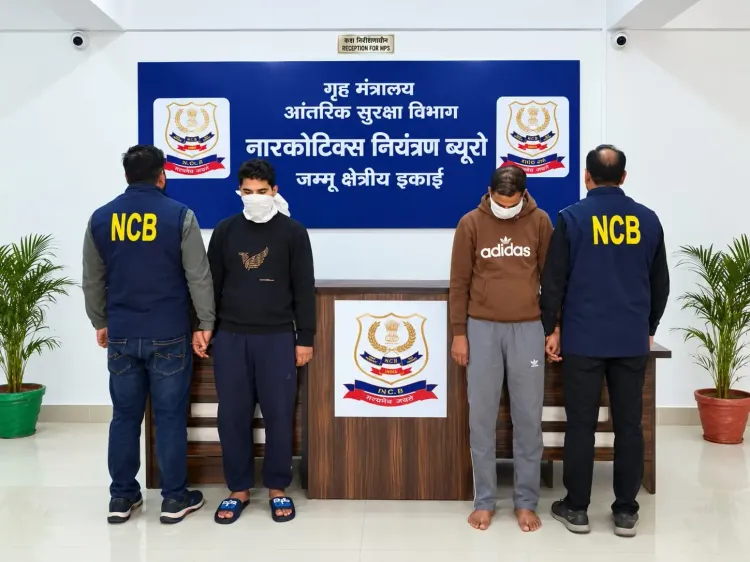
The Narcotics Control Bureau (NCB), operating through its Jammu Zonal Unit in coordination with the Delhi Zonal Unit, has dismantled an interstate pharmaceutical drug trafficking network that was funnelling controlled substances from Delhi to the Kashmir Valley. Four individuals have been arrested and over five lakh tablets, capsules, and bottles of pharmaceutical preparations have been seized in a multi-city operation conducted between 16 and 19 November.
How the Operation Unfolded
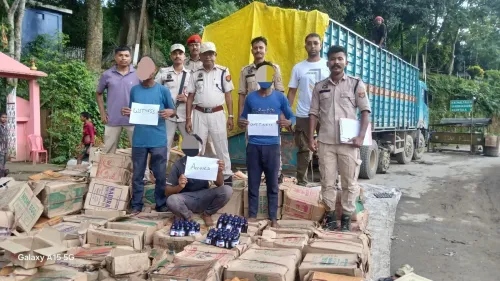
Acting on specific intelligence, NCB Jammu personnel intercepted a Srinagar-bound passenger bus near Mada Toll Plaza in Chenani, Udhampur district, in the early hours of 16 November. A passenger — identified as a resident of Bhaderwah in Doda district — was found carrying approximately 7 kg of codeine-based cough syrup (CBCS). A case was immediately registered under the Narcotic Drugs and Psychotropic Substances (NDPS) Act, 1985.
Subsequent investigation in the Kashmir Valley led to the arrest of the suspected principal recipient of the consignment, a resident of Anantnag district. Investigators then traced the supply chain northward to its source in the capital.
Delhi Raid Uncovers Clandestine Godown
On 18 November, joint teams from the NCB Jammu and Delhi Zonal Units apprehended further individuals linked to the supply operation in Delhi and recovered 356 bottles of CBCS. Leads from those arrests pointed to a concealed warehouse operating out of rented premises in Shahdara, Delhi.
Searches conducted on 18 and 19 November at the Shahdara godown resulted in the seizure of more than five lakh tablets, capsules, and bottles of pharmaceutical preparations containing tramadol hydrochloride, alprazolam, nitrazepam, and codeine — all controlled substances with significant abuse potential.
Scope of the Investigation
According to the NCB, investigators are now working to establish precisely how and where the seized cough syrup was diverted from legitimate pharmaceutical supply channels. The agency said it is pursuing leads related to upstream suppliers, downstream distributors, and the financial networks sustaining the operation — with the stated objective of preventing further diversion at the source.
This comes amid a broader national push under the Nasha Mukt Bharat campaign, which has seen the NCB intensify surveillance on pharmaceutical drug diversion — a category of narcotics trafficking that exploits legal supply chains rather than smuggling routes, making it harder to detect and prosecute.
NCB Appeal to Citizens
The NCB has urged members of the public to report credible information on drug trafficking and pharmaceutical diversion through the national narcotics helpline, MANAS (1933), on a confidential basis. The agency described public cooperation as critical to sustaining enforcement gains under the Nasha Mukt Bharat framework.
Investigators are expected to widen the probe as financial and supply-chain links are examined further in the coming days.
Point of View
If followed aggressively through the supply chain, can expose a structured distribution network. What remains unanswered is how controlled substances containing tramadol and alprazolam left licensed pharmaceutical channels undetected, pointing to either regulatory gaps in wholesale distribution or complicity further upstream. The NCB's stated focus on financial links is the right instinct — dismantling the money flow is the only durable way to prevent the network from reconstituting itself under new operators.
NationPress
21 Nov 2026
Frequently Asked Questions
What did the NCB seize in the Delhi-Kashmir drug trafficking bust?
The NCB seized more than five lakh tablets, capsules, and bottles of pharmaceutical preparations containing tramadol hydrochloride, alprazolam, nitrazepam, and codeine from a clandestine godown in Shahdara, Delhi. An additional 356 bottles of codeine-based cough syrup and approximately 7 kg of the same substance were recovered at earlier stages of the operation.
How many people were arrested in the NCB operation?
Four individuals were arrested across multiple locations during the operation, which ran from 16 to 19 November 2024. Those arrested include a passenger intercepted on a Srinagar-bound bus in Udhampur and the suspected principal recipient of the consignment in Anantnag, as well as individuals linked to the Delhi supply operation.
Where did the drug trafficking network operate?
The network operated across at least three locations — Delhi (including a concealed warehouse in Shahdara), the Udhampur district of Jammu, and the Kashmir Valley including Anantnag. Drugs were reportedly being sourced in Delhi and distributed to recipients in Kashmir.
What is codeine-based cough syrup and why is it controlled?
Codeine-based cough syrup (CBCS) is a pharmaceutical preparation that contains codeine, an opioid that can cause dependence and is subject to abuse. It is regulated under the Narcotic Drugs and Psychotropic Substances (NDPS) Act, 1985 in India, and its sale and distribution require strict licensing. Diversion from legitimate supply chains for non-medical use is a criminal offence.
How can citizens report pharmaceutical drug trafficking to the NCB?
Citizens can report credible information about drug trafficking and pharmaceutical diversion confidentially by calling the national narcotics helpline MANAS at 1933. The NCB has urged public cooperation as part of the Nasha Mukt Bharat campaign.