NCC cadets complete 410-km Hooghly Sankalp voyage, arrive in Kolkata
Synopsis
Sixty NCC cadets just rowed 410 kilometres down the Ganga — and turned every stopover into a public-health, anti-drug, and conservation drive. The Hooghly Sankalp voyage is a rare example of the armed forces using adventure training as a live policy demonstration, spotlighting inland waterways that can cut transport costs by up to 60 per cent.
Key Takeaways
60 Naval NCC cadets completed the 410-km Hooghly Sankalp – MENU 2026 expedition, arriving at Man o' War Jetty, Kolkata on 8 October 2026 .
The voyage began at the Farakka lock gate on 25 September under expedition commander Cdr Sanjib Sharan and safety officer Cdr Mrinmoy Ghosh .
Outreach covered Gangetic river dolphin conservation , live water-purity tests, HPV vaccination awareness, anti-child-marriage campaigns, and the Nasha Mukt Bharat Abhiyan .
Cadets visited the India-Bangladesh border and tied rakhis on BSF personnel as a gesture of national integration.
The expedition highlighted National Waterway-1 's potential, with inland waterways offering 50–60% cost savings over road transport.
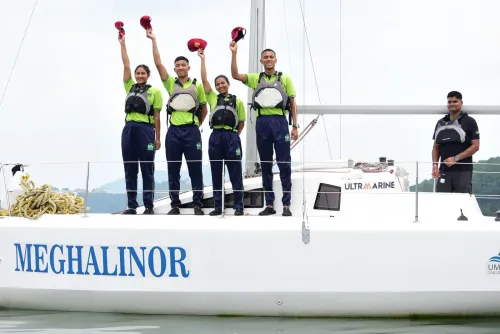
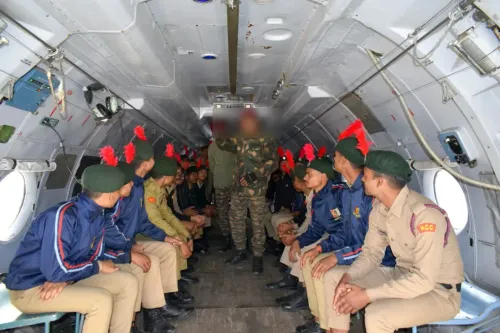
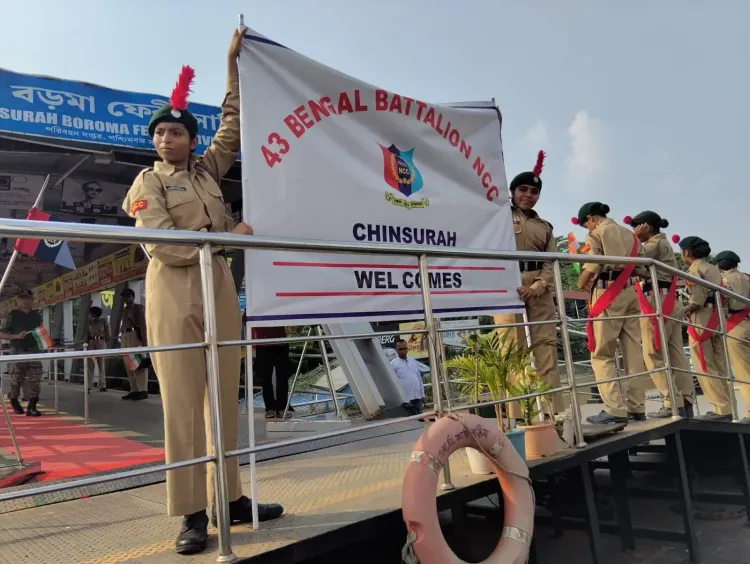
Sixty Naval NCC cadets of the West Bengal and Sikkim Directorate completed the 410-kilometre Hooghly Sankalp – MENU 2026 sailing expedition on 8 October 2026, arriving at the Man o' War Jetty in Kolkata to a rousing reception from senior dignitaries and family members. The gruelling voyage began at the Farakka lock gate on 25 September and covered the entire stretch of National Waterway-1 down to Kolkata aboard whaler boats.
The Expedition at a Glance
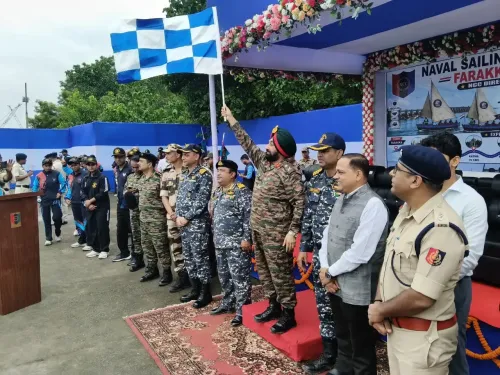
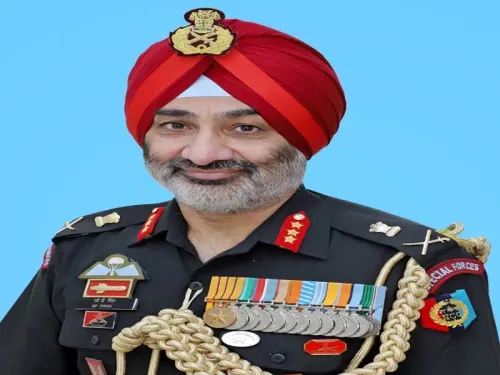
The fleet of whaler boats was escorted by an Inland Waterways Authority of India (IWAI) vessel and dedicated safety boats throughout the journey. The cadets — both boys and girls — rowed under the leadership of expedition commander Cdr Sanjib Sharan and safety officer Cdr Mrinmoy Ghosh. The expedition was originally flagged off by Major General A.P.S. Chahal, Additional Director General, NCC, West Bengal and Sikkim Directorate.
Hundreds of spectators lined the jetty to watch the boats glide in, marking what officials described as the successful culmination of an 'immensely rewarding journey.'
The Floating Classroom: Community Outreach and Ecology
Far from a conventional adventure exercise, Hooghly Sankalp was designed as a mobile awareness platform. During stopovers along the river, the cadets conducted live water-purity tests, demonstrated rainwater harvesting models, and championed Gangetic river dolphin conservation. According to an official statement, the expedition 'touched countless lives through impactful community outreach and ecological and river-health initiatives.'
The cadets also promoted the consumption of millets among riverside communities and urged people to join the Nasha Mukt Bharat Abhiyan — the Centre's anti-drug campaign. They held discussions on cyber safety, covering both device security and the prevention of cyber fraud.
Health awareness was another pillar of the outreach: the cadets explained the risks of the Human Papilloma Virus (HPV), a leading cause of cervical cancer, and encouraged young girls to get vaccinated. They additionally participated in anti-child marriage campaigns at the grassroots level — a dimension that sets this voyage apart from standard NCC adventure missions.
Border Visit and National Integration
The cadets made a symbolic stopover at the India-Bangladesh border, where they interacted with Border Security Force (BSF) personnel. As a mark of appreciation for the BSF's role in border defence, the cadets tied rakhis on the jawans' wrists. The gesture was widely appreciated as a message of national integration, officials said.
The group also visited an NTPC power plant and several historical sites along the route as part of the expedition's educational mandate.
Waterways as Sustainable Transport: The Policy Dimension
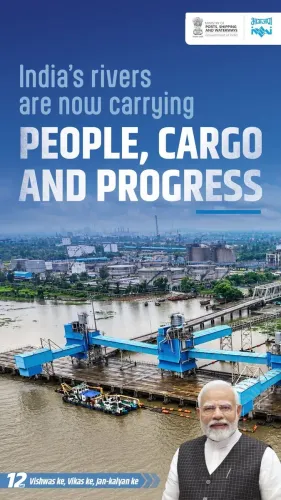
Beyond youth development, Hooghly Sankalp carried a deliberate policy message. The expedition worked closely with IWAI to highlight the potential of National Waterway-1 for sustainable goods and passenger movement. Waterways, according to the official, offer cost savings of 50–60 per cent compared with road transport and produce significantly lower emissions. The Centre has been actively exploring inland waterways for cargo movement, and this expedition served as a live demonstration of that vision.
What Comes Next
With Hooghly Sankalp – MENU 2026 concluded, the focus shifts to documenting and scaling the community-outreach model it pioneered. The expedition's integration of adventure training with river-health advocacy, public health campaigns, and waterway promotion offers a template that NCC directorates in other river-rich states may look to replicate.
Point of View
But the policy subtext deserves more attention. By embedding IWAI officials and a waterway-promotion mandate into what is formally a youth-training exercise, the armed forces are quietly doing outreach work that the transport ministry struggles to achieve through conventional campaigns. The 50–60 per cent cost-saving figure for inland versus road transport is not new — it has been cited for years — yet cargo volumes on National Waterway-1 remain a fraction of their potential. Whether cadets tying rakhis on BSF jawans and conducting water-purity tests can shift public perception of rivers as transport corridors is doubtful; harder regulatory and infrastructure work is still needed. Still, as soft-power exercises go, this one covered more ground — literally and figuratively — than most.
NationPress
8 Oct 2026
Frequently Asked Questions
What is the Hooghly Sankalp – MENU 2026 expedition?
Hooghly Sankalp – MENU 2026 is a 410-kilometre sailing expedition by 60 Naval NCC cadets of the West Bengal and Sikkim Directorate, travelling from the Farakka lock gate to Kolkata along National Waterway-1. It was designed to combine adventure training with community outreach, river-health advocacy, and promotion of inland waterways as a sustainable transport option.
When did the NCC cadets start and finish the voyage?
The cadets departed from the Farakka lock gate on 25 September 2026 and arrived at the Man o' War Jetty in Kolkata on 8 October 2026, completing the journey in approximately 13 days.
What community outreach did the cadets carry out during the expedition?
During stopovers, the cadets conducted live water-purity tests, demonstrated rainwater harvesting, championed Gangetic river dolphin conservation, promoted millet consumption, ran cyber-safety awareness sessions, discussed HPV vaccination for cervical cancer prevention, and participated in anti-child-marriage campaigns. They also visited the India-Bangladesh border and interacted with BSF personnel.
Why does the expedition promote inland waterways?
Inland waterways such as National Waterway-1 offer cost savings of 50–60 per cent compared with road transport and produce lower carbon emissions. The expedition worked with the Inland Waterways Authority of India (IWAI) to demonstrate the route's potential for sustainable movement of goods and people, supporting a broader government push to expand waterway-based cargo transport.
Who led the Hooghly Sankalp expedition?
The expedition was led by commander Cdr Sanjib Sharan, with Cdr Mrinmoy Ghosh serving as safety officer. It was originally flagged off by Major General A.P.S. Chahal, Additional Director General, NCC, West Bengal and Sikkim Directorate.