Sonowal: 10 Crore+ Passengers Use Waterways Annually
Synopsis
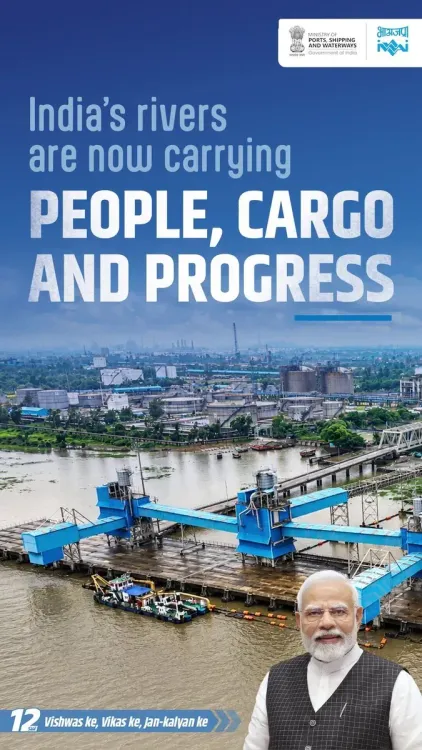
Union Ports Minister Sarbananda Sonowal on 6 July 2026 marked 12 years of inland waterway growth under PM Modi, citing over 10 crore annual passengers and a 334 per cent rise in operational cruise tourism waterways since 2014.
Key Takeaways
Over 10 crore passengers are moved annually on India's inland waterways, according to Minister Sonowal's post dated 6 July 2026 .
Operational waterways available for river cruise tourism have risen by 334 per cent over the past 12 years.
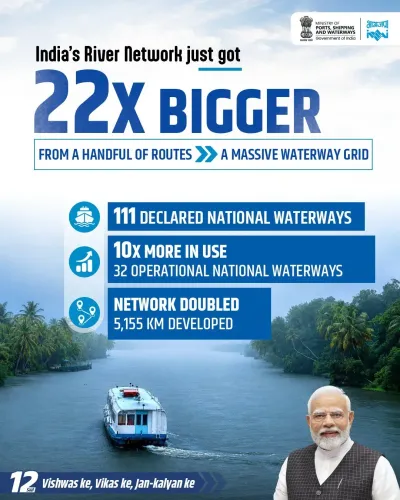
The National Waterways Act, 2016 notified 111 inland waterways as national waterways, forming the legislative backbone of the expansion.
The Jal Marg Vikas Project on National Waterway-1 (Ganga) , backed by the World Bank , was approved in 2014-15 as an early flagship initiative.
Inland waterway projects are now integrated into the PM Gati Shakti multimodal logistics framework alongside the Sagarmala Programme .
The Inland Waterways Authority of India (IWAI) oversees development and regulation of the national waterway network.
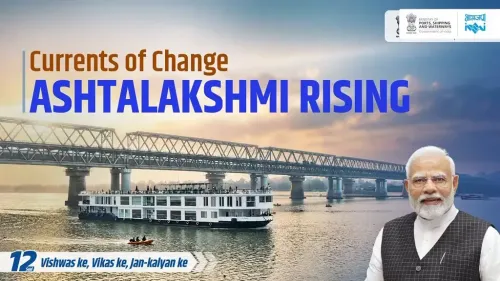
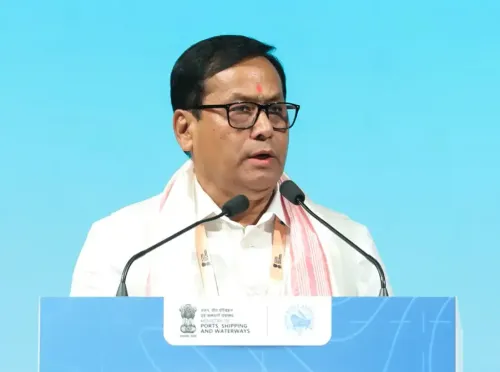
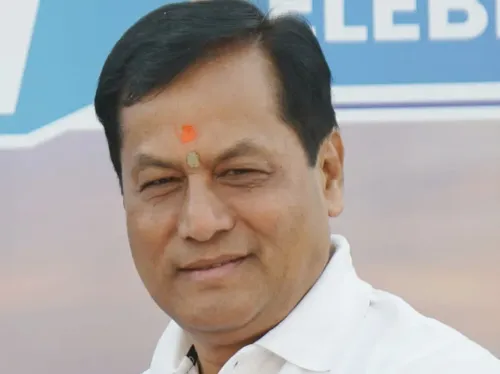
Union Ports and Shipping Minister Sarbananda Sonowal on Monday, 6 July 2026, marked 12 years of inland waterway development under the Narendra Modi government, citing a surge in river transport usage and a 334 per cent increase in operational waterways open for river cruise tourism.
Context
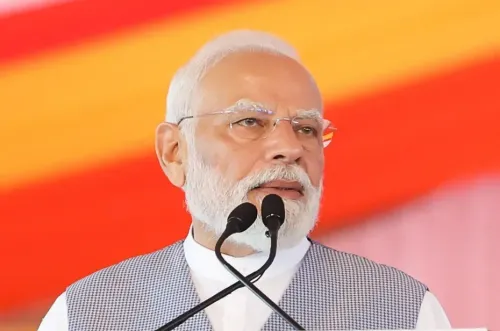
Sonowal's post, tagged #12YearsOfJalmargSeVikas ('12 years of progress through water routes'), states that over 10 crore passengers are now moved annually on India's inland waterways — a figure the minister presents as evidence of water transport becoming 'a daily reality for millions.' The post credits the transformation to the vision of Prime Minister Narendra Modi, who took office in May 2014.
The minister also highlighted a 334 per cent increase in the number of operational waterways available for river cruise tourism, positioning the sector as both an economic driver and a vehicle for cultural aspirations tied to India's river heritage.
Policy Backdrop
The inland waterway push traces its formal legislative origin to the National Waterways Act, 2016, which notified 111 inland waterways as national waterways, replacing a narrower 1982 Act and providing the statutory scaffolding for large-scale investment. Before that, the Jal Marg Vikas Project — approved in 2014-15 with World Bank support — targeted National Waterway-1 on the Ganga, developing cargo and passenger infrastructure along one of India's most storied river corridors.
The Sagarmala Programme, launched in 2015, wove inland waterway connectivity into a broader port-led growth strategy. More recently, these projects have been subsumed under the PM Gati Shakti framework, which treats river navigation as a low-cost, low-emission complement to road and rail within an integrated multimodal logistics network.
The Inland Waterways Authority of India (IWAI) serves as the statutory body responsible for developing, maintaining, and regulating declared national waterways, coordinating with state governments and private operators to expand the operational network.
Stakeholders and Impact
The beneficiaries of the expanded network span a wide geography: commuters and freight operators along the Ganga and Brahmaputra corridors, river cruise operators who have seen new tourism routes open up, and riparian states that gain connectivity options beyond congested road and rail links. For communities in Assam, Uttar Pradesh, Bihar, and West Bengal, inland water transport has historically been an affordable lifeline that fell into neglect over decades of under-investment.
The river cruise tourism segment, in particular, has drawn private-sector interest, with operators running voyages that combine heritage, pilgrimage, and leisure on routes that were commercially dormant until recently. The growth in this segment feeds into the government's broader push to diversify India's tourism product and generate employment along river banks.
What's Next
The ministry is expected to push for the rollout of additional national waterways beyond the current operational network. Analysts tracking the sector will watch the next Union Budget for fresh allocations toward waterway infrastructure and any new tourism-linked waterway corridors that could be announced. The integration of inland water transport with multimodal logistics hubs under PM Gati Shakti remains a work in progress, with several notified waterways yet to receive full navigational infrastructure. Sustained passenger growth will depend on last-mile connectivity at river terminals and the pace of dredging and maintenance work across the expanded network.
Point of View
Signalling the BJP's intent to blend cultural nationalism with development optics ahead of state election cycles. The 334 per cent cruise tourism figure, even if unverified independently, anchors the narrative in a high-visibility, aspirational segment that resonates with an emerging middle-class leisure market. By invoking PM Modi's 'vision' as the singular driver, the post reinforces the centralised brand of governance that the ruling party has consistently projected since 2014. The broader implication is that inland waterways are being positioned not just as logistics infrastructure but as a soft-power asset — linking river heritage, pilgrimage tourism, and economic growth into a unified electoral message.
NationPress
5 Oct 2026
Frequently Asked Questions
How many passengers use India's inland waterways every year?
According to Union Minister Sarbananda Sonowal's post on 6 July 2026, over 10 crore passengers are moved annually on India's inland waterways.
What is the Jal Marg Vikas Project?
The Jal Marg Vikas Project is a World Bank-supported initiative approved in 2014-15 to develop cargo and passenger infrastructure on National Waterway-1 along the Ganga river.
How many national waterways does India have?
The National Waterways Act, 2016 notified 111 inland waterways as national waterways, replacing an older 1982 Act that covered far fewer routes.
What is the Sagarmala Programme?
The Sagarmala Programme, launched in 2015, is a government initiative that includes inland waterway connectivity as part of a port-led economic growth strategy.
What is the role of IWAI in India's waterway development?
The Inland Waterways Authority of India (IWAI) is the statutory body responsible for developing, maintaining, and regulating India's declared national waterways.