How is NCDC Collaborating with WHO to Enhance Influenza Preparedness?
Synopsis
In an effort to bolster India's response to influenza, the NCDC and WHO are hosting a critical meeting. This initiative aims to unify various sectors in preparing for the upcoming influenza season. Key stakeholders will discuss strategies to improve surveillance and communication, ensuring a robust public health response.
Key Takeaways
Strengthening collaboration: The event emphasizes the need for interministerial and intersectoral cooperation.
Preparedness checklist: Development of a practical checklist to evaluate readiness and identify gaps.
Real-time monitoring: The IDSP is vital for tracking seasonal influenza trends.
One Health approach: Linking human, animal, and environmental health systems for comprehensive preparedness.
Timely information sharing: Importance of coordinated actions and clarity in roles.
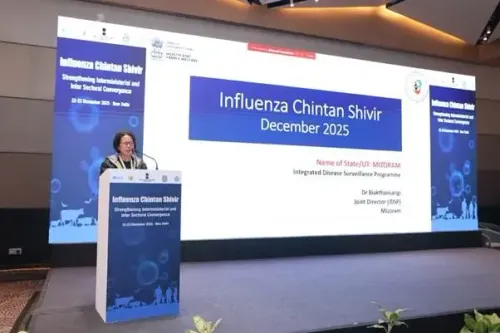
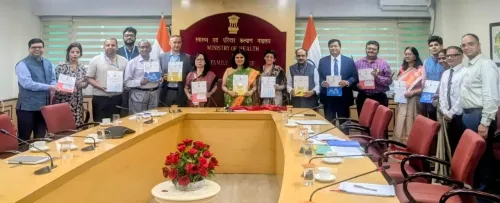
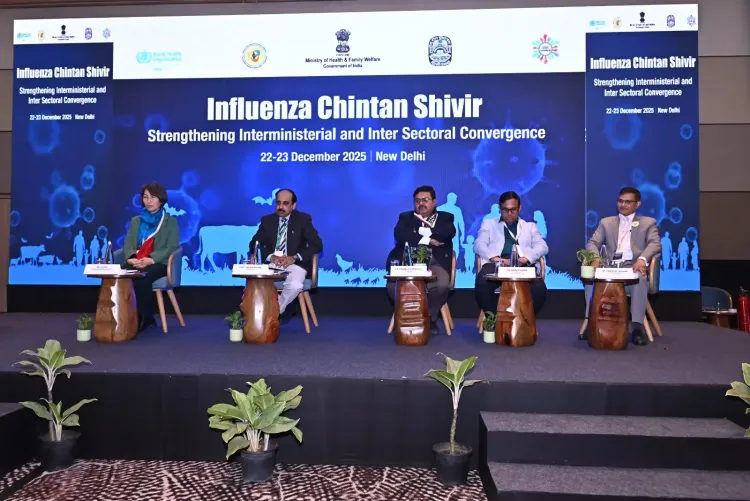
New Delhi, Dec 22 (NationPress) The National Centre for Disease Control (NCDC), part of the Ministry of Health and Family Welfare (MoHFW), in partnership with the World Health Organization (WHO) India, initiated a two-day conference on Monday aimed at bolstering influenza preparedness across the nation.
The Chintan Shivir, themed “Strengthening Interministerial and Intersectoral Convergence for Influenza Preparedness and Response,” is taking place from December 22 to 23 in New Delhi. Its objective is to create a structured environment for discussions among vital stakeholders to fortify readiness and response strategies before the impending influenza season.
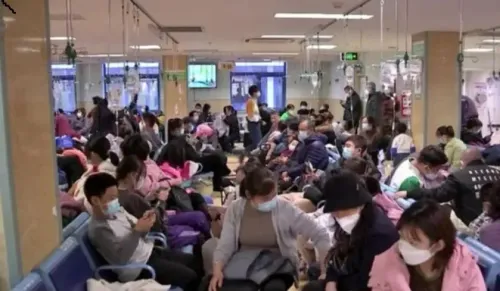
This meeting is particularly significant as influenza remains a considerable public health concern in India and worldwide. This highly contagious respiratory illness, triggered by influenza viruses that affect the nose, throat, and lungs, is marked by periodic outbreaks that lead to considerable morbidity and mortality, especially among at-risk groups such as young children, elderly individuals, pregnant women, and those with chronic health conditions.
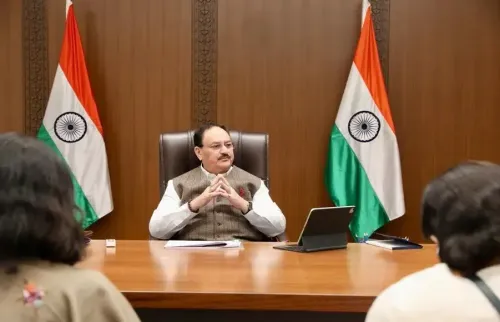
JP Nadda, the Union Health Minister, emphasized the importance of the Chintan Shivir, stating, “This is a crucial opportunity for stakeholders to discuss various aspects of preparedness to build resilience against influenza.”
He further mentioned, “Ensuring preparedness and response activities, including surge capacities, is essential for the upcoming influenza season.”
The Union Health Minister highlighted the significance of the Integrated Disease Surveillance Programme (IDSP), asserting that collaborative and coordinated efforts between the Centre and States are vital for establishing effective surveillance systems throughout India.
The Ministry has been diligently monitoring seasonal influenza patterns across States and Union Territories in real-time via the IDSP network.
Discussions at the meeting reiterated that influenza readiness should not be isolated but must be enhanced through collaborative efforts across sectors for surveillance, early warning systems, laboratory preparedness, clinical readiness, and efficient risk communication.
Participation from approximately 110 representatives from various ministries, departments, and institutions contributed to formulating a more organized and actionable framework for preparedness assessment by States, UTs, and institutions. This includes the creation of a practical preparedness checklist designed to assist in readiness evaluations, identify gaps, and guide timely follow-up actions. The meeting underscored the necessity for prompt information sharing, clear delineation of roles and responsibilities, and coordinated actions across departments,” the Ministry reported.
The Chintan Shivir also marked a pivotal advancement towards enhancing One Health-based preparedness by integrating human, animal, and environmental health systems.
“By promoting a whole-of-government approach through a One Health perspective, this initiative enhances India’s pandemic preparedness and response capabilities while advancing both national and global health security, in alignment with the principle of Vasudhaiva Kutumbakam,” the Ministry concluded.
Point of View
Initiatives like the Chintan Shivir highlight the importance of coordinated efforts at all levels of government and health organizations. Strengthening influenza preparedness is not just a task for one entity; it requires a unified approach that encompasses various sectors to protect vulnerable populations effectively. The proactive measures discussed in this meeting are essential for ensuring the health security of our nation.
NationPress
21 Sept 2026
Frequently Asked Questions
What is the purpose of the Chintan Shivir?
The Chintan Shivir aims to strengthen influenza preparedness by facilitating discussions among key stakeholders on enhancing response mechanisms and collaboration across sectors.
Who is organizing the meeting?
The meeting is organized by the National Centre for Disease Control (NCDC) in collaboration with the World Health Organization (WHO) India.
When is the Chintan Shivir taking place?
The Chintan Shivir is scheduled for December 22 to 23, 2023.
Why is influenza preparedness important?
Influenza poses significant public health risks, especially to vulnerable groups. Adequate preparedness can reduce morbidity and mortality associated with seasonal outbreaks.
How is the IDSP involved in this initiative?
The Integrated Disease Surveillance Programme (IDSP) plays a crucial role in monitoring influenza trends and ensuring effective surveillance systems across India.