NCW POSH Act consultation flags digital harassment, gig worker gaps
Synopsis
India's POSH Act was written for the office cubicle — but work has moved far beyond it. The NCW's national consultation has put digital harassment and the near-total exclusion of gig, platform, and home-based workers from the law's protections squarely on the government's reform agenda, with a formal Recommendation Report now headed to New Delhi.
Key Takeaways
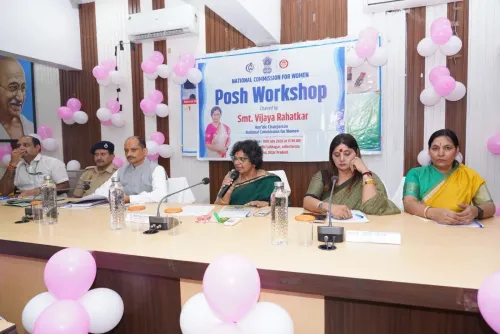
The NCW concluded a two-day national consultation on the POSH Act in New Delhi on 19 July 2025 .
Digital workplace harassment and protection gaps for gig, platform, and home-based workers were the central concerns raised.
NCW Chairperson Vijaya Rahatkar called for legal and institutional mechanisms to keep pace with hybrid work, remote work, and AI-driven workplaces.
Union Minister Annpurna Devi inaugurated the programme, calling a dignified workplace 'the key to women-led development.' A consolidated Recommendation Report will be submitted to the Government of India to strengthen the POSH Act's implementation framework.
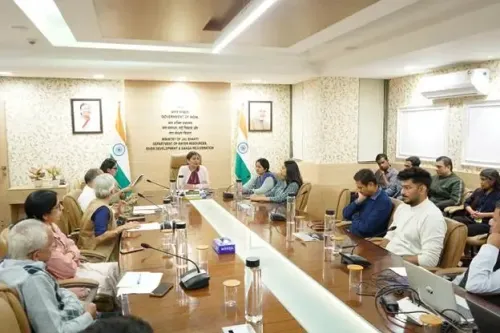
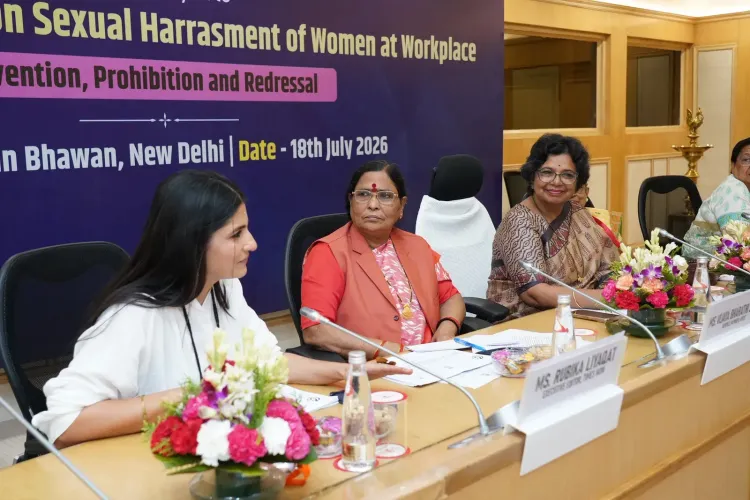
The National Commission for Women (NCW) concluded a two-day national consultation on the Sexual Harassment of Women at Workplace (Prevention, Prohibition and Redressal) Act, 2013 — commonly known as the POSH Act — in New Delhi on Saturday, 19 July 2025, with digital workplace harassment and the exclusion of gig, platform, and home-based workers emerging as the most pressing concerns among participants.
The programme brought together retired judges of the Delhi High Court, Additional Solicitors General of India, senior advocates, and policymakers to deliberate on strengthening the Act's implementation framework, according to an official statement.
What the Consultation Covered
NCW Chairperson Vijaya Rahatkar described the POSH Act as 'not merely a legal framework but an instrument of trust that assures every working woman that her dignity, rights and aspirations will be protected.' She stressed that as workplaces evolve through hybrid models, digital communication, remote work, and artificial intelligence, institutional mechanisms and legal responses must evolve in step.
Rahatkar identified awareness, prevention, and institutional sensitivity as the three strongest pillars of workplace safety — and argued that all three require urgent reinforcement in the context of new work arrangements.
Key Reforms Debated
Experts at the consultation discussed improving institutional accountability, tightening monitoring mechanisms, and enforcing procedural timelines under the POSH framework. A recurring theme was the need to ensure the law remains responsive to the rapidly changing nature of work — particularly for workers who fall outside traditional employer-employee definitions.
Participants underscored that legal compliance alone is insufficient. They called for continuous capacity building, stronger grievance redressal mechanisms, and collaborative efforts among employers, institutions, and government stakeholders to build workplaces grounded in dignity and equality.
What the Government Said
Union Minister for Women and Child Development Annpurna Devi, who inaugurated the programme on Friday, 18 July 2025, said that 'a dignified workplace is the key to women-led development.' The Minister affirmed that every woman has the right to work without fear and that creating a safe work environment is a shared responsibility of governments, employers, and institutions.
What Comes Next
The NCW stated that deliberations and recommendations from this national consultation — combined with inputs from earlier regional consultations and nationwide stakeholder engagements — will be consolidated into a comprehensive Recommendation Report for submission to the Government of India. The report is expected to propose specific amendments or supplementary guidelines to strengthen the POSH Act's implementation framework and its rules.
With gig and platform workers now numbering in the tens of millions across India, how the government responds to these recommendations could determine whether the POSH Act's protections extend to one of the country's fastest-growing workforce segments.
Point of View
Yet its coverage has never caught up with how India actually works. The rise of gig platforms, remote contracts, and AI-mediated workplaces has created vast grey zones where harassment occurs but no Internal Committee exists to address it. The NCW consultation is a necessary corrective, but a Recommendation Report is only as powerful as the government's willingness to legislate on it — and previous reform cycles on POSH have moved slowly. The real test will be whether the upcoming report proposes enforceable coverage for platform workers or settles for advisory language that changes nothing on the ground.
NationPress
17 Oct 2026
Frequently Asked Questions
What is the POSH Act and why is it under review?
The Sexual Harassment of Women at Workplace (Prevention, Prohibition and Redressal) Act, 2013 — the POSH Act — is India's primary law protecting women from workplace sexual harassment. It is under review because the rise of digital workplaces, remote work, and gig employment has created categories of workers who fall outside its current protections.
What did the NCW consultation recommend?
The consultation called for stronger institutional accountability, faster procedural timelines, continuous capacity building, and robust grievance redressal mechanisms. Participants specifically highlighted the need to extend POSH protections to gig, platform, and home-based workers, and to address harassment in digital and hybrid work environments.
Who participated in the NCW's national consultation?
The two-day programme brought together retired judges of the Delhi High Court, Additional Solicitors General of India, senior advocates, policymakers, and NCW officials, along with inputs gathered from earlier regional consultations and nationwide stakeholder engagements.
What happens after the consultation?
The NCW will consolidate the recommendations into a formal Recommendation Report and submit it to the Government of India. The report is intended to propose specific measures to strengthen the POSH Act's implementation framework and its rules.
Are gig workers currently protected under the POSH Act?
Gig, platform, and home-based workers occupy an ambiguous position under the current POSH Act, which was designed around traditional employer-employee relationships. The NCW consultation identified this gap as a priority area, but no legislative change has been announced yet.