Nepal floods: Ex-minister blames China for withholding alert, 734 dead
Synopsis
Nepal's former environment minister has accused China of withholding upstream glacial data before the 26 August disaster that killed 734 people — and a separate report alleges Beijing deleted footage of the destruction from Chinese social media. The allegations raise urgent questions about cross-border early-warning protocols in one of the world's most disaster-prone corridors.
Key Takeaways
Former Nepal minister Madhav Prasad Chaulagain alleged China issued no timely warning before the 26 August glacial flash flood.
The disaster has claimed 734 lives ; 2,498 people remain out of contact, including 589 foreigners , according to NDRRMA .
Chaulagain called the withholding of upstream data 'against humanity' and insisted the collapse originated in Tibet , not Nepal.
A report by The Times of Israel alleged China removed flood videos from domestic social media platforms after they began circulating.
Nepal's early-warning systems were not designed for ice-rock falls of this type — a gap the former minister described as a planning failure.
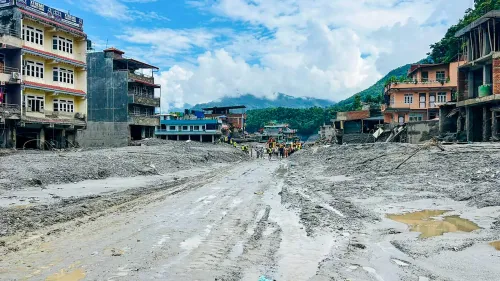
Nepal's former Forest and Environment Minister Madhav Prasad Chaulagain has alleged that China failed to issue any timely warning before catastrophic flash floods and glacial collapse struck the Nepal-Tibet border on Wednesday, 26 August, killing at least 734 people and leaving 2,498 others out of contact. Chaulagain called the withholding of upstream data 'against humanity', in remarks that have sharpened diplomatic scrutiny of Beijing's role in the disaster.
What the Former Minister Said
Chaulagain directly contested Beijing's position that the collapse originated on Nepali territory, insisting the disaster began in Tibet. 'Things are not so clear,' he said, calling for greater transparency from the Chinese side. He argued that had an early warning been issued, downstream communities could have been evacuated in time.
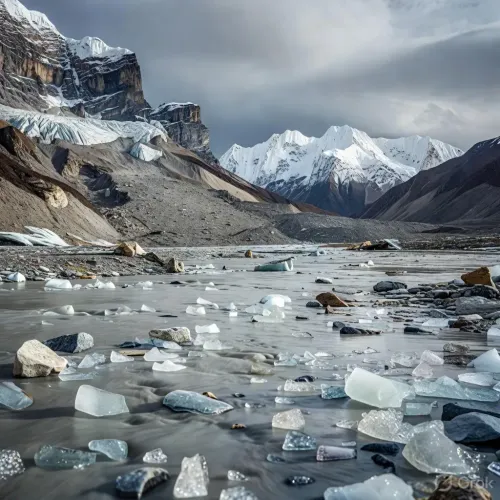
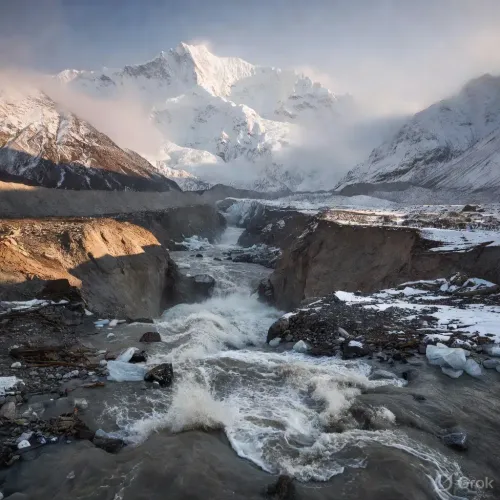
The former minister also pointed to a structural gap in Nepal's own preparedness. The country's early-warning systems and environmental impact assessments for hydropower projects were concentrated on glacial lake outbursts — not on the kind of ice-rock falls and glacier-fed river system collapse that struck the Lhende Khola, feeding into the Bhote Koshi and Trishuli river systems. 'This was never envisioned,' he said, describing the event as a planning failure as much as a natural one.
China Allegedly Deleting Flood Footage
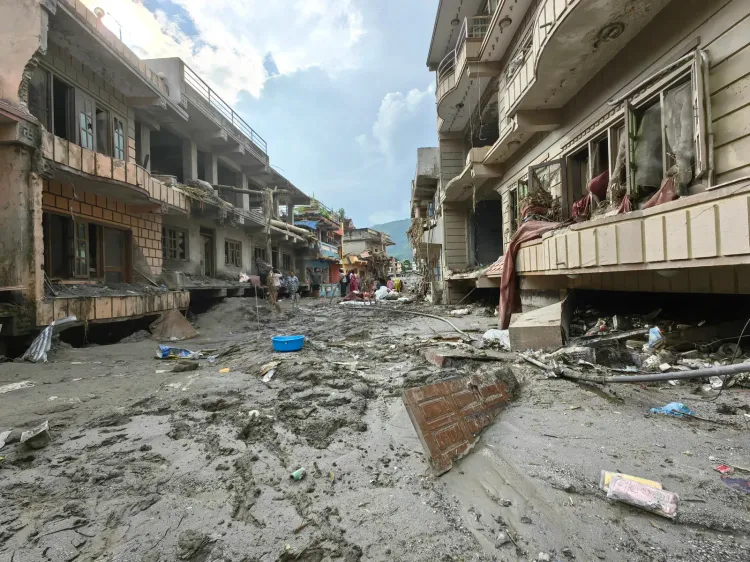
Adding to the controversy, a report by The Times of Israel claimed that videos documenting the destruction caused by the floods and mudslides in Tibet began appearing on Chinese social media platforms within hours of the disaster — only to be subsequently removed. Security footage, reportedly verified by international media, showed a massive wall of mud and debris crashing over buildings at Gyirong Port as people fled.
A Bhutanese journalist cited in the report highlighted the removal of the flood footage from Chinese platforms, stressing that the material documented a natural disaster — not political protest or anti-government activity. The deletions, critics argue, deprived downstream nations of real-time visual intelligence that could have informed emergency response.
Scale of the Disaster
Nepal's National Disaster Risk Reduction and Management Authority (NDRRMA) confirmed that the 26 August tragedy has claimed 734 lives as of the latest count. A further 2,498 people remain out of contact, among them 589 foreigners. The disaster is among the deadliest flood events in Nepal's recent history, and the scale of the toll has intensified calls for a cross-border early-warning mechanism between Nepal, China, and India.
The Broader Warning-System Gap
The Nepal-Tibet border sits atop one of the world's most seismically and climatically volatile corridors. While bilateral agreements on hydrological data-sharing between Nepal and China exist on paper, Chaulagain's remarks suggest those protocols either failed or were not activated in time. This is not the first time downstream South Asian nations have raised concerns about the timeliness of upstream data from China during flood events — similar complaints have been raised by Bangladesh and India in previous monsoon seasons.
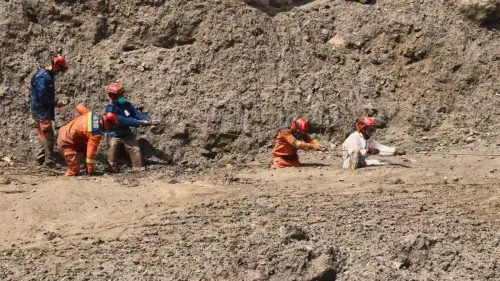
With search-and-rescue operations still ongoing and hundreds of foreigners unaccounted for, pressure is mounting on both Kathmandu and Beijing to provide a full account of what data was available and when.
Point of View
But it has rarely been stated this bluntly by a named former official. What makes this episode different is the alleged deletion of social media footage, which, if verified, would suggest a deliberate effort to control the information environment even as rescue operations were under way downstream. Nepal's own admission that its warning systems never accounted for glacier-fed river collapse is equally troubling: it points to a systemic blind spot in a country where hydropower expansion continues at pace. The political pressure on Kathmandu is acute — it must press Beijing for answers without fracturing a relationship it cannot afford to lose.
NationPress
15 Oct 2026
Frequently Asked Questions
What did Nepal's former minister allege about China's role in the flash floods?
Former Forest and Environment Minister Madhav Prasad Chaulagain alleged that China failed to issue any timely warning before the glacial collapse struck the Nepal-Tibet border on 26 August, calling the withholding of upstream data 'against humanity.' He also insisted the disaster originated in Tibet, rejecting Beijing's claim that it began on Nepali soil.
How many people have died in the Nepal flash floods?
The Nepal National Disaster Risk Reduction and Management Authority (NDRRMA) confirmed 734 deaths as of the latest count. An additional 2,498 people remain out of contact, including 589 foreigners.
Why is China accused of deleting flood videos?
According to a report by The Times of Israel, videos of the destruction at Gyirong Port and surrounding areas appeared on Chinese social media platforms within hours of the disaster but were subsequently removed. A Bhutanese journalist cited in the report noted the footage documented a natural disaster, not political content, raising concerns about transparency.
What is the significance of the Nepal-Tibet border glacier collapse?
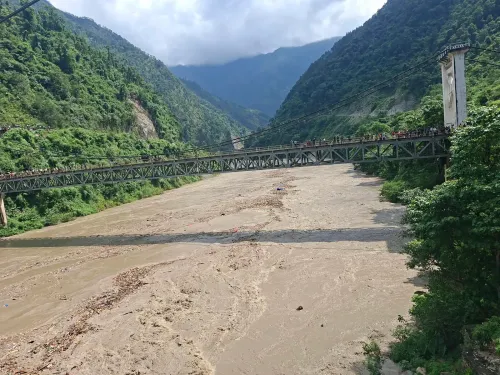
The collapse triggered a massive surge of mud, rock, and water through the Lhende Khola river into the Bhote Koshi and Trishuli river systems, causing widespread destruction. The event exposed gaps in Nepal's early-warning infrastructure, which was designed for glacial lake outbursts rather than ice-rock falls of this nature.
Has China responded to the allegations about the flood warning?
Beijing has maintained that the collapse originated on Nepali territory, a claim the former Nepali minister directly rejected. No detailed Chinese government response to the warning-failure allegations had been reported at the time of publication.