NHRC issues notice to Punjab over lathi-charge on Barnala sanitation workers
Synopsis
The NHRC has put Punjab's top officials on notice after police allegedly lathi-charged sanitation workers — including women — protesting in Barnala over job security and wages. With a two-week deadline for an Action Taken Report, the Commission is demanding answers on who authorised the force, how many were injured, and whether standard protocols were followed.
Key Takeaways
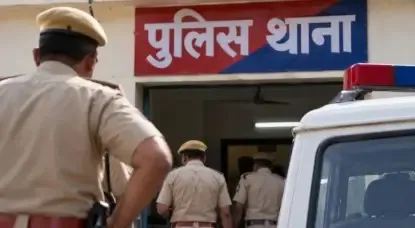
The NHRC has taken cognisance of an alleged lathi-charge by Punjab Police on sanitation workers in Barnala on 25 July .
Notices have been issued to the Punjab Chief Secretary and DGP , with a two-week deadline to submit an Action Taken Report (ATR) .
The workers — including women — were protesting over service regularisation , wage enhancement , and job security .
The NHRC has sought details of injured workers, MLCs , FIRs , video recordings, and whether the police SOP on use of force was followed.
Action was initiated under Section 12 of the Protection of Human Rights Act, 1993 .
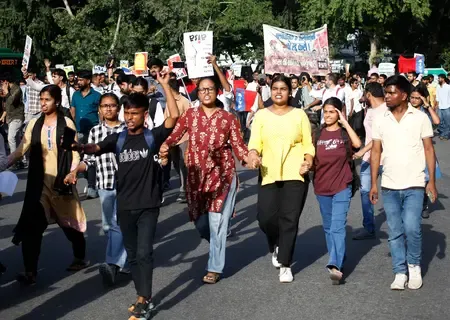
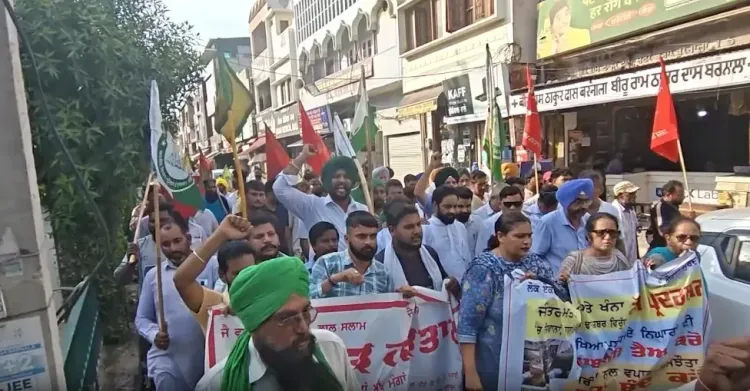
The National Human Rights Commission (NHRC) has taken cognisance of a complaint alleging that Punjab Police used excessive force against sanitation workers — including women — who were peacefully protesting in Barnala on 25 July over demands for service regularisation, wage enhancement, and job security. The apex human rights body has directed senior state officials to submit a detailed response within two weeks.
Notices Issued to Top Punjab Officials
A Bench presided over by NHRC Member Priyank Kanoongo has issued notices to the Punjab Chief Secretary and the Director General of Police (DGP), directing them to inquire into the allegations and furnish a detailed Action Taken Report (ATR) within two weeks. The action has been initiated under Section 12 of the Protection of Human Rights Act, 1993, which empowers the NHRC to inquire into alleged violations of human rights.
What the Complaint Alleges
According to the complaint, the sanitation workers had assembled peacefully in Barnala when police allegedly resorted to a lathi-charge, violating their fundamental rights to peaceful assembly and to seek redressal of employment-related grievances. The complainant has sought an independent inquiry into the incident, medical details of those injured, compensation for victims, and disciplinary as well as legal action against the officials responsible.
Observing that the allegations, if true, prima facie disclose violations of human rights, the NHRC noted that the state government must be called upon to account for its conduct.
Scope of the Report Sought
The NHRC has asked Punjab authorities to address multiple dimensions of the incident. These include the circumstances and justification for ordering the lathi-charge, the identity of the competent authority that authorised the use of force, and copies of any written orders issued. The Commission has also sought the number of sanitation workers injured, the nature and current status of their injuries, and copies of medico-legal certificates (MLCs), casualty records, and treatment documents. It has further asked authorities to explain if MLCs were not prepared.
Additionally, the NHRC has sought information on any compensation or ex gratia assistance provided to the injured workers, along with details of First Information Reports (FIRs), Daily Diary Reports (DDRs), departmental proceedings, or criminal cases registered in connection with the incident.
Accountability and Procedural Compliance Under Scrutiny
The Commission has asked whether any departmental, magisterial, or independent inquiry has been ordered into the incident and whether the Standard Operating Procedure (SOP) governing police use of force was followed. Relevant records sought include video recordings, deployment orders, wireless logbooks, and use-of-force reports.
The NHRC has also asked the state to detail steps taken to prevent recurrence of such incidents and to safeguard the rights and dignity of sanitation workers while maintaining public order. This comes amid a broader pattern of sanitation and contractual workers across several Indian states staging protests over irregular pay, lack of permanent employment status, and absence of social security benefits.
What Happens Next
The Punjab government now has two weeks to submit its ATR to the NHRC. Failure to comply or an unsatisfactory response could prompt the Commission to escalate the matter, including recommending compensation or further inquiry. The incident puts the spotlight on the treatment of contractual municipal workers — a constituency that critics argue remains among the most vulnerable to both economic precarity and state overreach.
Point of View
Often without permanent status, union recognition, or legal protection — making them disproportionately exposed when they exercise the right to protest. Punjab's response to the notice will be telling: a thin or evasive ATR risks escalation, including a compensation recommendation that the state would find politically uncomfortable. Mainstream coverage tends to treat such NHRC notices as procedural — they are not. The Commission's detailed information checklist, including demands for video recordings and use-of-force logs, suggests it is building a record, not just issuing a routine summons.
NationPress
25 Oct 2026
Frequently Asked Questions
Why has the NHRC issued notices to Punjab over the Barnala incident?
The NHRC issued notices to the Punjab Chief Secretary and DGP after a complaint alleged that police used excessive force, including a lathi-charge, against sanitation workers peacefully protesting in Barnala on 25 July over service regularisation, wages, and job security. The Commission found the allegations prima facie indicative of human rights violations.
What are the sanitation workers demanding?
The sanitation workers were protesting for service regularisation, wage enhancement, and job security. Many contractual municipal workers in India lack permanent employment status and associated benefits, which has driven repeated protests across states.
What must the Punjab government submit to the NHRC?
Punjab authorities must submit a detailed Action Taken Report within two weeks, covering the justification for the lathi-charge, the authority that ordered it, the number and condition of injured workers, medico-legal certificates, FIRs, video recordings, and whether the police SOP on use of force was followed.
Under which law has the NHRC acted?
The NHRC has acted under Section 12 of the Protection of Human Rights Act, 1993, which empowers it to inquire into alleged violations of human rights by state actors.
What could happen if Punjab does not respond satisfactorily?
If the Punjab government fails to comply or submits an inadequate response, the NHRC can escalate the matter, including recommending monetary compensation for the victims and directing further independent inquiry into the conduct of the officials involved.