NHRC issues notice to Punjab over unsafe buses in Tirth Yatra scheme
Synopsis
India's top human rights body has put Punjab on notice over fire-safety and evacuation risks in the sleeper buses used to ferry elderly pilgrims under a state welfare scheme. With a seven-day deadline for action reports — and a clear warning that lip-service responses won't be accepted — the NHRC is signalling that welfare-scheme operators are not above mandatory safety law.
Key Takeaways
The NHRC has taken cognisance of unsafe bus allegations under Punjab's Mukhyamantri Tirth Yatra Yojana , which serves senior citizens and economically disadvantaged pilgrims.
Concerns include unauthorised modifications , blocked emergency exits, and inadequate fire detection and evacuation arrangements.
Notices issued to the Punjab Chief Secretary and the Union Ministry of Road Transport and Highways under Section 12 of the Protection of Human Rights Act, 1993 .
The Punjab Chief Secretary has been directed to personally oversee an immediate inspection; non-compliant buses must be withdrawn from service .
Both authorities must submit detailed Action Taken Reports (ATRs) within seven days ; general assurances will not be accepted.
The NHRC has flagged similar sleeper-bus safety failures in earlier proceedings, indicating a persistent compliance gap .
The National Human Rights Commission (NHRC) has taken cognisance of allegations concerning unsafe and potentially non-compliant air-conditioned sleeper buses deployed under the Punjab government's Mukhyamantri Tirth Yatra Yojana, a welfare scheme designed to facilitate pilgrimages for senior citizens and economically disadvantaged individuals. The Commission has issued formal notices to the Punjab Chief Secretary and the Union Ministry of Road Transport and Highways, directing both authorities to submit detailed reports within seven days.
What the Complaint Alleges
The complaint raises serious concerns about structural irregularities in the buses operating under the scheme. Specific allegations include unauthorised structural modifications, partitions and doors separating drivers' cabins from passenger compartments, obstruction of emergency exits and windows, and inadequate arrangements for fire detection, suppression, and emergency evacuation. These concerns are particularly acute given that the primary beneficiaries are elderly and vulnerable passengers.
NHRC Directions to Punjab Government
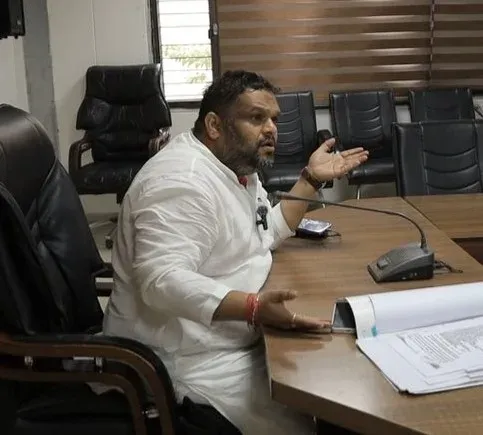
The NHRC, chaired by Member Priyank Kanoongo, has directed the Punjab Chief Secretary to personally oversee an immediate and comprehensive inspection of every bus operating under the pilgrimage scheme. Any vehicle found to be in violation of mandatory safety standards must be withdrawn from service until all deficiencies are rectified and compliance is verified by a competent authority.
The Chief Secretary's report must include the total number of buses deployed, details of inspections conducted, deficiencies identified, corrective steps initiated, vehicles taken off service, and action taken to fix accountability among officials and operators. The NHRC has made clear that general assurances of compliance or the mere forwarding of departmental responses will not satisfy its requirements.
What the Centre Has Been Asked to Do
The Ministry of Road Transport and Highways has been directed to examine compliance with applicable bus-body design standards, Automotive Industry Standards, and guidelines issued by the Central Institute of Road Transport (CIRT) in Pune. It must also review enforcement measures taken following earlier proceedings and outline concrete steps to prevent unsafe sleeper buses from operating on public roads.
Pattern of Concerns at the NHRC
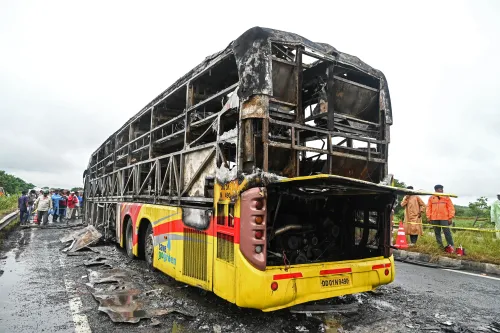
This is not the first time the NHRC has flagged passenger-safety violations in sleeper buses. The Commission had previously taken cognisance of similar cases involving fatal bus accidents where design flaws — particularly driver cabin separation — hampered fire detection, crew-passenger communication, and emergency evacuation. In those earlier proceedings, responses were sought from the Ministry of Road Transport and Highways, the CIRT, and several state governments including Punjab. The latest action suggests those earlier concerns were not fully addressed.
Notably, the NHRC underlined that government-sponsored welfare schemes carry a heightened duty of care, warning that any failure to submit substantive reports within the stipulated period will be viewed seriously. The Commission stressed that mandatory safety standards cannot be treated as optional, and that human life and passenger safety must remain paramount.
What Happens Next
Both the Punjab government and the Union Ministry have seven days to file detailed Action Taken Reports (ATRs). The NHRC's response to those reports will determine whether further proceedings — including show-cause notices or recommendations to the government — are initiated. Advocates for road safety argue that the outcome of this proceeding could set a precedent for how state-run pilgrimage and welfare transport schemes are regulated nationwide.
Point of View
Sleeper-bus design standards remain a regulatory grey zone in India, with the CIRT guidelines often unenforced at the state level. If the NHRC's seven-day deadline produces only routine forwarding of files, the Commission's own credibility as an enforcement mechanism will be tested.
NationPress
24 Oct 2026
Frequently Asked Questions
What is the Punjab Mukhyamantri Tirth Yatra Yojana?
It is a Punjab government welfare scheme that facilitates pilgrimages for senior citizens and economically disadvantaged residents, deploying air-conditioned sleeper buses for transportation. The NHRC has raised concerns that some of these buses may not meet mandatory safety standards.
Why has the NHRC issued notices over the scheme's buses?
The NHRC acted on a complaint alleging unauthorised structural modifications, obstructed emergency exits, and inadequate fire detection and evacuation systems in the sleeper buses used under the scheme. The Commission stressed that safety cannot be compromised in a welfare initiative, especially one serving elderly passengers.
What has the NHRC directed the Punjab government to do?
The Punjab Chief Secretary has been asked to personally oversee an immediate and comprehensive inspection of all buses under the scheme, withdraw non-compliant vehicles from service, and submit a detailed Action Taken Report within seven days covering inspections, deficiencies found, corrective steps, and accountability action.
What role does the Ministry of Road Transport and Highways play?
The Ministry has been directed to examine compliance with bus-body design standards, Automotive Industry Standards, and CIRT guidelines, and to review enforcement measures following earlier NHRC proceedings. It must also outline concrete steps to prevent unsafe sleeper buses from continuing to operate.
Has the NHRC raised similar concerns before?
Yes. The Commission has previously taken cognisance of fatal bus accidents involving design flaws — particularly driver cabin separation — that compromised fire detection and emergency evacuation. Responses had been sought from the Ministry, CIRT, and several state governments including Punjab, making the latest action a follow-up to unresolved earlier concerns.