NIA court sentences 9 to life in 2019 Hyderabad human trafficking case
Synopsis
Nine accused, eight of them Bangladeshi nationals, have been sentenced to life imprisonment by an NIA special court in Hyderabad for trafficking Bangladeshi women into India and forcing them into prostitution. The 2019 case — which began with the rescue of four women from brothels in Hyderabad — marks a significant cross-border trafficking conviction, with three accused still absconding.
Key Takeaways
A Special NIA Court in Hyderabad sentenced nine accused — including eight Bangladeshi nationals — to life imprisonment on 17 September 2026 .
The case dates to September 2019 , when four Bangladeshi women were rescued from brothels in Hyderabad by Telangana Police.
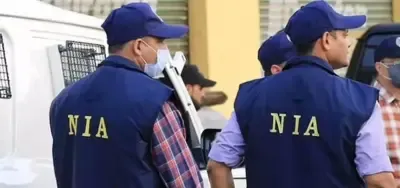
The NIA took over the case on 12 October 2019 and filed a chargesheet against 12 accused on 17 October 2020 .
The court also imposed a combined fine of ₹1,37,000 , with three months additional imprisonment in default of payment.
Three accused — A1, A3, and A7 — remain absconding and were not part of the sentencing.
Convictions were under the IPC , the Foreigners Act, 1946 , and the Immoral Traffic (Prevention) Act, 1956 .
A Special Court for NIA Cases in Hyderabad has sentenced nine accused — including eight Bangladeshi nationals — to life imprisonment in connection with a 2019 human trafficking case in which Bangladeshi women were lured into India with false promises of employment and subsequently forced into prostitution. The verdict was passed on 17 September 2026, according to the National Investigation Agency (NIA).
What the Court Ordered
In addition to life terms, the court imposed a total fine of ₹1,37,000 on the convicted accused. Those unable to pay the fine face an additional three months of simple imprisonment in default. The convictions were secured under multiple statutes, including the Indian Penal Code (IPC), the Foreigners Act, 1946, and the Immoral Traffic (Prevention) Act, 1956.
The nine individuals sentenced are: Ruhul Amin Dhali (A2), Mohd Yousuf Khan alias Md Imran (A4), Bithi Begum alias Khadija Shaik (A5), Imamul Ghazi alias Mohd Rana Hussain (A6), Mohammed Al Mamun (A8), Sojib Shaik (A9), Suresh Kumar Das alias Sagor (A10), Mohd Abdulla Munshi alias Abdul Sarkar (A11), and Mohd Ayub Shaik (A12).
How the Case Began
The original case was registered by the Telangana Police at Pahadi Shareef Police Station, Hyderabad, following a rescue operation in September 2019. During the operation, three Bangladeshi women were rescued from a brothel operating in Jalpally village, while a fourth woman was recovered from a house in Mahimood Colony, Balapur, Hyderabad. The trafficking network operated by luring victims with promises of lucrative employment and decent wages before forcing them into prostitution.
The NIA took over the investigation and re-registered the case on 12 October 2019 as RC-03/2019/NIA/HYD. Accused were subsequently arrested from various locations across West Bengal and Telangana during 2019 and 2020.
NIA's Chargesheet and Absconding Accused
The agency filed a chargesheet against 12 accused on 17 October 2020. Three of those named — A1, A3, and A7 — remained absconding at the time of filing and were not among those sentenced. The prosecution built its case on establishing the network's cross-border trafficking routes and the roles played by each individual in the operation.
Significance of the Verdict
This case is notable for the NIA's direct involvement in a cross-border human trafficking investigation — an area traditionally handled by state police forces. The conviction of eight foreign nationals on Indian soil underscores growing judicial acknowledgement of transnational trafficking networks exploiting India-Bangladesh migration corridors. This comes amid broader concerns about the scale of irregular migration and exploitation along the West Bengal border route. Three accused remain at large, and their eventual extradition or arrest could further expose the full extent of the network's operations.
Point of View
However, is the slow grind of justice: a 2019 rescue has taken until 2026 to reach sentencing, and three key accused still remain at large. The India-Bangladesh trafficking corridor through West Bengal remains structurally active, and this verdict, while meaningful, addresses the foot soldiers of the network rather than its architects. The NIA's expanded mandate in trafficking cases is welcome, but without international cooperation on extradition and source-country enforcement, convictions like this risk being the exception rather than the rule.
NationPress
18 Sept 2026
Frequently Asked Questions
What was the 2019 Hyderabad human trafficking case?
The case involved a cross-border network that trafficked Bangladeshi women into India by promising them employment, then forcing them into prostitution. In September 2019, Telangana Police rescued four Bangladeshi women from brothels in Hyderabad, leading to the arrests and the NIA's subsequent takeover of the investigation.
Who were the nine accused sentenced to life imprisonment?
The nine sentenced are Ruhul Amin Dhali, Mohd Yousuf Khan alias Md Imran, Bithi Begum alias Khadija Shaik, Imamul Ghazi alias Mohd Rana Hussain, Mohammed Al Mamun, Sojib Shaik, Suresh Kumar Das alias Sagor, Mohd Abdulla Munshi alias Abdul Sarkar, and Mohd Ayub Shaik. Eight of the nine are Bangladeshi nationals.
Why did the NIA take over the case from Telangana Police?
The NIA took over because the case involved a transnational trafficking network operating across international borders, which falls within the agency's mandate. It re-registered the case on 12 October 2019 as RC-03/2019/NIA/HYD and led all subsequent investigation and prosecution.
Are all accused in the case convicted?
No. The NIA filed a chargesheet against 12 accused, but three — identified as A1, A3, and A7 — were absconding at the time of filing and were not part of the sentencing on 17 September 2026. Their cases remain pending.
Under which laws were the accused prosecuted?
The accused were prosecuted under provisions of the Indian Penal Code (IPC), the Foreigners Act, 1946, and the Immoral Traffic (Prevention) Act, 1956 — a combination that reflects both the immigration and exploitation dimensions of the crime.