Rajasthan HC rejects bail of three Rohingya accused in trafficking case
Synopsis
The Rajasthan High Court has upheld the denial of bail to three Rohingya nationals accused of trafficking around 30 Bangladeshi girls across multiple Indian states using forged Aadhaar cards and fake identities — a case the NIA says is part of a broader conspiracy with potential anti-national dimensions.
Key Takeaways
The Rajasthan High Court on 10 July dismissed bail pleas of Mohammad Usman , Shafi Alam alias Shofi Alam , and Rabi-ul-Islam — three Rohingya nationals from Myanmar.
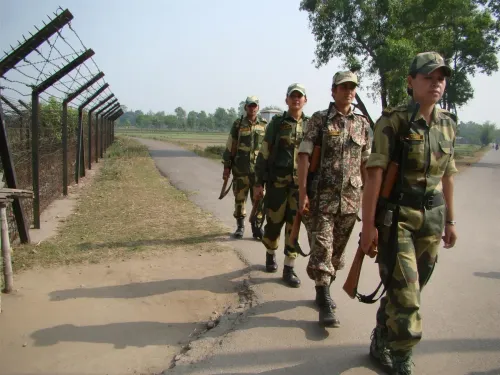
The NIA alleges the trio entered India via the Bangladesh border in 2011–12 using concealed identities and forged documents including Aadhaar cards .
Approximately 30 Bangladeshi girls were allegedly trafficked and sold in Hyderabad , Jammu and Kashmir , Assam , and Rajasthan .
The accused were arrested in 2023 from Rajasthan and Haryana ; their bail was first rejected by a Special NIA Court in Jaipur in 2024 .
The High Court cited flight risk and pending witness statements as grounds for dismissing the bail pleas; trial continues in judicial custody.
The Rajasthan High Court on 10 July rejected the bail applications of three Rohingya nationals from Myanmar accused of residing in India under forged identities and allegedly trafficking Bangladeshi girls to multiple states. A Division Bench of Justice Indrajit Singh and Justice Bhuwan Goyal dismissed the pleas of Mohammad Usman, Shafi Alam alias Shofi Alam, and Rabi-ul-Islam, keeping all three in judicial custody as the trial proceeds.
The Allegations Against the Accused
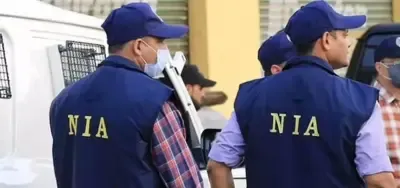
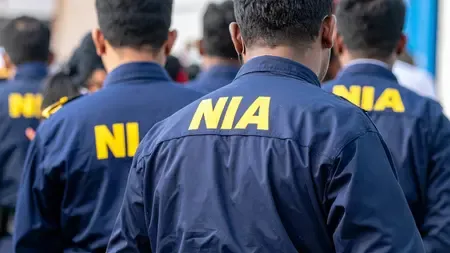
According to the National Investigation Agency (NIA), the three men entered India through the Bangladesh border during 2011–12 while concealing their Rohingya identities. Over the following years, they allegedly made multiple illegal trips to Bangladesh and, prior to their arrest in 2023, brought approximately 30 Bangladeshi girls into India without authorisation.
The NIA alleged that the trafficked girls were sold in Hyderabad, Jammu and Kashmir, Assam, and Rajasthan. The agency further claimed the accused procured Aadhaar cards, mobile SIM cards, and bank accounts using forged documents — enabling them to operate across state lines while evading detection.
Scope of the Alleged Network
Investigators alleged the trafficking operation was part of a larger conspiracy: the accused reportedly arranged marriages for the trafficked girls in different cities, ostensibly to assimilate them into Indian society. The NIA claimed the network intended these women to be available for exploitation in anti-national activities if required — an allegation the defence has contested.
At the time of arrest, Mohammad Usman was reportedly based in Jammu and Kashmir, Shafi Alam in Telangana, and Rabi-ul-Islam in Nuh, Haryana. The trio was arrested from Rajasthan and Haryana on the basis of intelligence inputs. Several human trafficking cases have reportedly been registered against them across different states.
What the Court Heard
Appearing for the NIA, Advocate Snehdeep Khyalia argued that the accused posed a high flight risk and that statements of several key witnesses, victims, and complainants were yet to be recorded. The prosecution urged the court to deny bail given the gravity of the charges and the transnational character of the alleged offence.
The defence countered that the accused had been falsely implicated, had already spent more than two years in custody, and that the trial was likely to be prolonged. Defence lawyers also submitted that statements of several important witnesses had already been recorded, weakening the NIA's argument against bail.
Background and What Comes Next
The bail applications had first been rejected by a Special NIA Court in Jaipur in 2024, prompting the accused to appeal to the High Court. With the High Court now also dismissing the pleas, the three men will remain in judicial custody while the NIA trial continues.
This case is among a growing number of NIA investigations involving Rohingya nationals and cross-border trafficking networks — a pattern that has drawn increasing judicial and policy scrutiny in recent years. The next significant development will be the recording of outstanding witness testimonies, which the NIA has flagged as critical to its case.
Point of View
Document fraud, and organised trafficking — three enforcement failures that rarely surface together in a single NIA chargesheet. The allegation that the network planned to exploit trafficked women for anti-national purposes, if proven, would mark a significant escalation in how courts and investigators understand Rohingya-linked crime in India. Yet the defence's point is not trivial: two-plus years in pre-trial custody without conviction is a liberty cost that courts must weigh, regardless of the gravity of charges. The pace of the NIA trial — and specifically when outstanding witness testimony is recorded — will determine whether this case delivers accountability or becomes another prolonged detention story.
NationPress
10 Oct 2026
Frequently Asked Questions
Why did the Rajasthan High Court reject bail for the three Rohingya accused?
The court dismissed the bail pleas of Mohammad Usman, Shafi Alam, and Rabi-ul-Islam primarily because the NIA argued they posed a high flight risk and that statements of key witnesses, victims, and complainants were yet to be recorded. The Division Bench of Justice Indrajit Singh and Justice Bhuwan Goyal upheld the earlier rejection by the Special NIA Court in Jaipur.
What are the charges against the three Rohingya nationals?
The NIA has accused the trio of entering India illegally through the Bangladesh border during 2011–12 using forged identities, procuring fraudulent Aadhaar cards and bank accounts, and trafficking approximately 30 Bangladeshi girls to Hyderabad, Jammu and Kashmir, Assam, and Rajasthan. The agency also alleges the network arranged marriages for the trafficked girls as part of a broader conspiracy.
When were the accused arrested and by whom?
The three men were arrested in 2023 by the National Investigation Agency (NIA) from Rajasthan and Haryana, based on intelligence inputs. Their bail was first rejected by a Special NIA Court in Jaipur in 2024 before they appealed to the Rajasthan High Court.
Who are the accused in the Rajasthan Rohingya trafficking case?
The accused are Mohammad Usman, who was reportedly residing in Jammu and Kashmir; Shafi Alam alias Shofi Alam, based in Telangana; and Rabi-ul-Islam, residing in Nuh, Haryana — all Rohingya nationals from Myanmar allegedly living under concealed identities in India.
What happens next in the case?
All three accused will remain in judicial custody while the NIA trial continues. The most critical near-term development is the recording of outstanding witness and victim statements, which the NIA has flagged as essential to its case. The defence may explore further legal remedies, but both prior courts have now denied bail.