CM Fadnavis Marks Ashadhi Wari with Pune Pilgrimage Post
Synopsis
Maharashtra Chief Minister Devendra Fadnavis marked the Ashadhi Wari on 11 July 2026 with a post on X referencing Pune and the annual Warkari pilgrimage to Pandharpur, continuing a tradition of high-level state engagement with Maharashtra's foremost devotional march.
Key Takeaways
CM Devendra Fadnavis posted on X on 11 July 2026 to acknowledge the Ashadhi Wari pilgrimage.
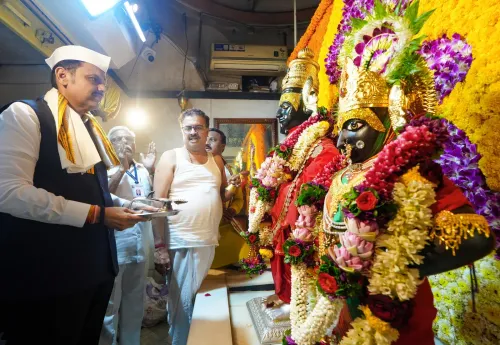
The Ashadhi Wari is an annual Warkari foot pilgrimage culminating at the Vitthal-Rukmini temple in Pandharpur, Solapur district .
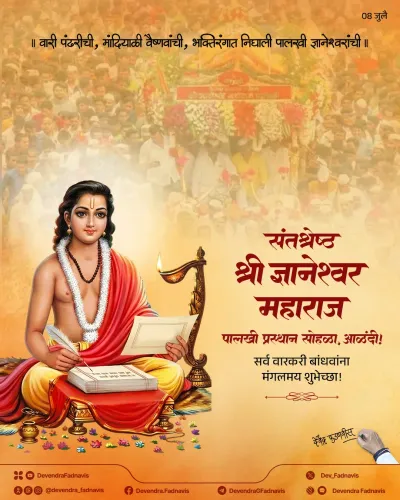
Pune is a major origin and transit point for Wari processions, including those from Alandi .
Maharashtra chief ministers across parties have historically associated themselves publicly with the Wari to affirm cultural continuity.
The state government coordinates security, medical aid, and traffic management for the multi-day pilgrimage involving lakhs of participants.
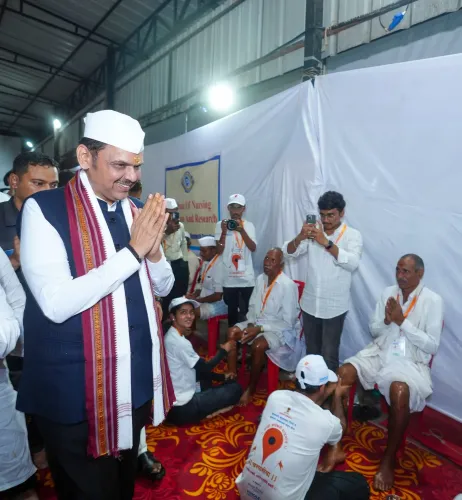
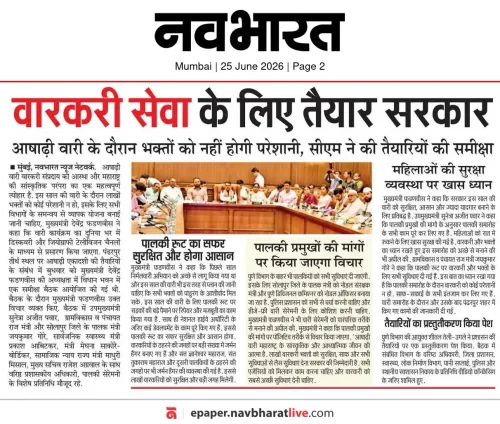
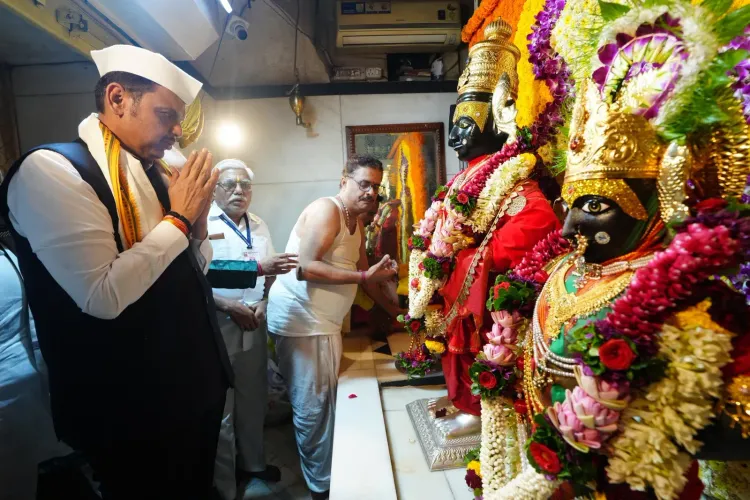
Maharashtra Chief Minister Devendra Fadnavis took to X on Saturday, 11 July 2026, to acknowledge the Ashadhi Wari, the annual Warkari pilgrimage that draws lakhs of devotees through Pune and onwards to Pandharpur, associating his office with one of Maharashtra's most enduring devotional traditions.
Context
The Ashadhi Wari is a centuries-old pilgrimage rooted in Maharashtra's bhakti tradition, culminating at the Vitthal-Rukmini temple in Pandharpur, Solapur district, on Ashadhi Ekadashi — the eleventh day of the bright fortnight in the Hindu month of Ashadha. Lakhs of Warkari pilgrims undertake a multi-day foot march each year, with major processions originating from Alandi and other sacred sites near Pune. The pilgrimage is considered among the largest annual religious gatherings in India.
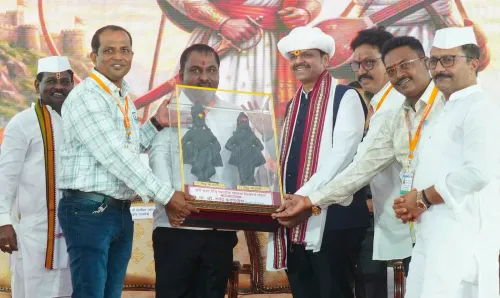
Chief Minister Fadnavis's post, carrying the hashtags #Maharashtra, #Pune, and #Ashadhiwari, signals the state government's recognition of the event at the highest executive level. Maharashtra chief ministers across party lines have historically used the occasion to affirm cultural continuity and demonstrate solidarity with the Warkari community.
Policy Backdrop
State governments in Maharashtra have long coordinated logistics around the Wari, deploying security personnel, medical teams, and traffic management infrastructure along the pilgrimage routes. The scale of the event — involving lakhs of participants walking for several days — demands significant administrative preparation across multiple districts including Pune, Solapur, and adjoining regions.
The Vitthal-Rukmini temple at Pandharpur and its surrounding infrastructure have been the focus of periodic state investment, reflecting the pilgrimage's economic and cultural weight. Public acknowledgement by the Chief Minister also serves as a signal to district administrations to maintain readiness for the influx of pilgrims.
Stakeholders and Impact
The primary stakeholders are the Warkari pilgrims — devotees of Sant Dnyaneshwar, Sant Tukaram, and other poet-saints of the Varkari sampradaya — whose participation in the Wari is both a religious obligation and a community practice passed through generations. For many, the annual march is the defining spiritual event of the year.
Local communities along the pilgrimage route, traders, and hospitality providers in Pune and Pandharpur also have a direct stake in the smooth conduct of the Wari. The Chief Minister's public engagement with the occasion reinforces the state's commitment to facilitating the pilgrimage without disruption.
What's Next
State government communications on pilgrim facilities, route management, and any infrastructure announcements tied to the Ashadhi Ekadashi period are expected in the days surrounding the event. CM Fadnavis's acknowledgement of the Wari underscores that the tradition will continue to receive high-level political and administrative attention, with the state's engagement likely to shape how future editions of the pilgrimage are organised and supported.
Point of View
Cross-caste devotional constituency that no ruling party can afford to overlook. By associating his office with the pilgrimage, Fadnavis reinforces the BJP-led government's claim to cultural stewardship of Maharashtra's bhakti heritage — a space long associated with diverse political traditions. The gesture also signals administrative intent, reminding district machinery of the logistical commitments the state has historically honoured around the Wari. Over time, such public engagements have become as much a governance signal as a cultural one.
NationPress
11 Jul 2026
Frequently Asked Questions
What is Ashadhi Wari?
Ashadhi Wari is an annual Warkari pilgrimage in Maharashtra in which lakhs of devotees walk on foot to the Vitthal-Rukmini temple in Pandharpur, Solapur district, arriving on Ashadhi Ekadashi — the eleventh day of the bright fortnight in the Hindu month of Ashadha.
Why did CM Devendra Fadnavis post about Ashadhi Wari?
CM Fadnavis posted on X on 11 July 2026 to publicly acknowledge the Ashadhi Wari, continuing a tradition among Maharashtra chief ministers of associating their office with this major devotional pilgrimage.
What is the route of the Ashadhi Wari from Pune?
A major Wari procession originates from Alandi near Pune, where the samadhi of Sant Dnyaneshwar is located, and proceeds on foot over several days to Pandharpur in Solapur district.
How does the Maharashtra government support the Ashadhi Wari?
The state government typically deploys security personnel, medical teams, and traffic management infrastructure along the pilgrimage routes to ensure the safe passage of lakhs of Warkari pilgrims.
Where is Pandharpur and why is it significant?
Pandharpur is a town in Solapur district, Maharashtra, and is the spiritual heart of the Warkari tradition, housing the Vitthal-Rukmini temple — the destination of the Ashadhi and Kartiki Wari pilgrimages.