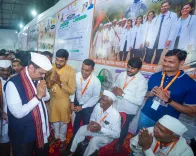
CM Fadnavis seeks blessings at Pune Wari Palkhi ceremony
Synopsis
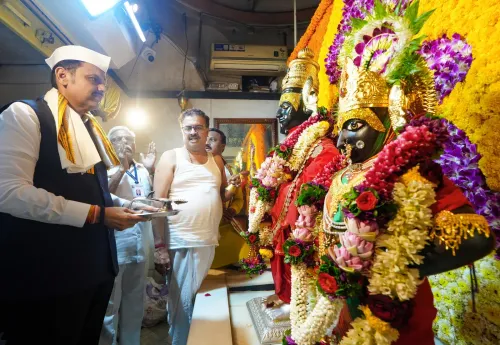
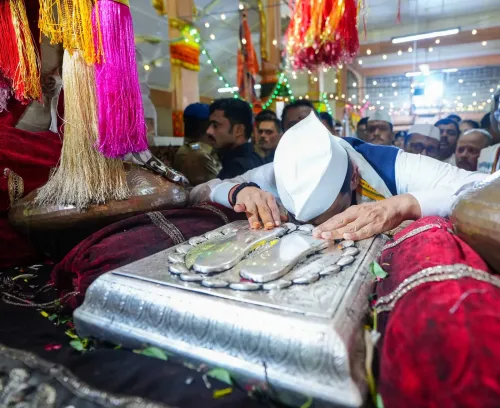
Maharashtra Chief Minister Devendra Fadnavis visited Shri Vitthal-Rukmini Mandir in Pune's Bhavani Peth on 10 July 2026, taking darshan of Sant Dnyaneshwar Mauli's sacred Padukas, performing Palkhi puja, and meeting Warkari pilgrims ahead of Ashadhi Ekadashi.
Key Takeaways
CM Devendra Fadnavis visited Shri Vitthal-Rukmini Mandir, Bhavani Peth, Pune on the night of 10 July 2026 .
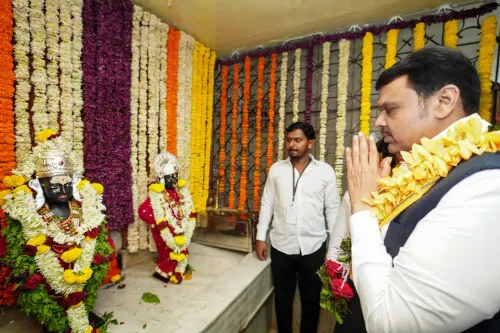
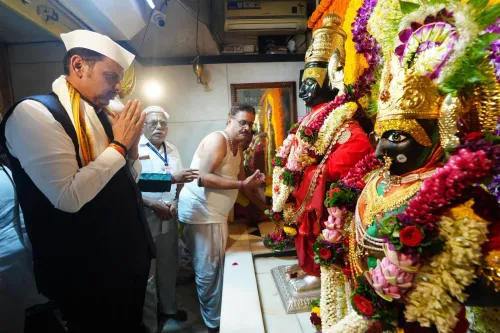
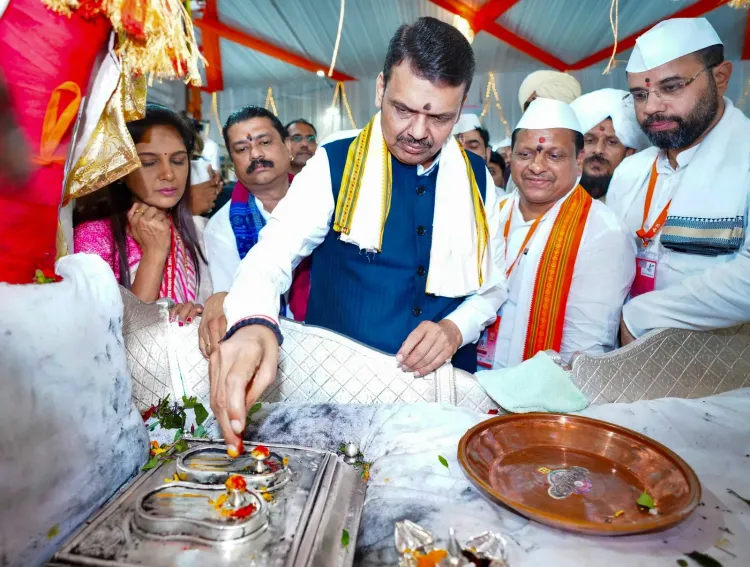
He took darshan of the sacred Padukas of Sant Dnyaneshwar Mauli and performed puja of the Palkhi .
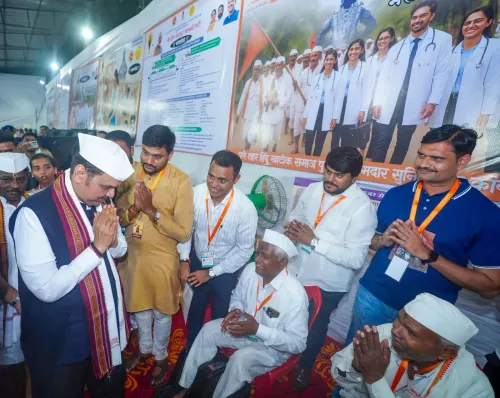
Fadnavis met Warkari devotees at the temple during the Palkhi's halt in Pune.
The visit is part of the annual Wari pilgrimage proceedings heading to Pandharpur for Ashadhi Ekadashi .
The Chief Minister posted in three languages — Marathi, Hindi, and English — reflecting the broad cultural significance of the occasion.
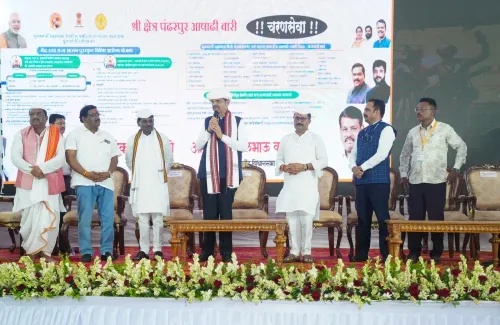
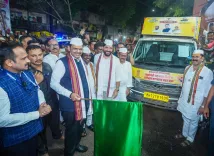
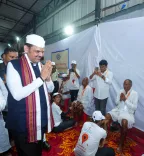
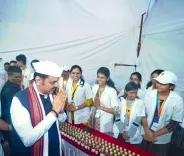
Maharashtra Chief Minister Devendra Fadnavis visited Shri Vitthal-Rukmini Mandir in Bhavani Peth, Pune, on 10 July 2026, where he took darshan of the sacred Padukas of Sant Dnyaneshwar Mauli, performed puja of the Palkhi, and met Warkari devotees as part of the annual Wari pilgrimage proceedings.
Context
Posting in Marathi, Hindi, and English, Fadnavis wrote: 'बोलावा विठ्ठल पहावा विठ्ठल!' ('Call upon Vitthal, behold Vitthal!') — the opening lines of a celebrated Varkari devotional verse. He described taking darshan of the 'sacred Padukas of SantShreshtha Shri Dnyaneshwar Mauli' and said that 'meeting the Warkaris on this sacred occasion filled my heart with an extraordinary sense of peace and joy.'
The visit took place at 10 pm on 10 July 2026 at the Bhavani Peth temple in Pune, which serves as a significant halt for the Dnyaneshwar Palkhi procession on its annual journey to Pandharpur.
Policy Backdrop
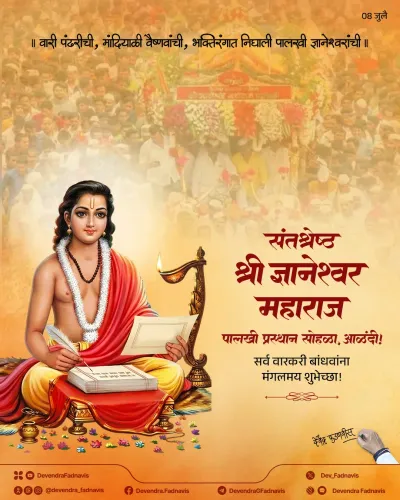
The Wari is one of Maharashtra's largest annual religious gatherings, drawing millions of Warkari pilgrims who walk hundreds of kilometres to the Vitthal temple at Pandharpur on the occasion of Ashadhi Ekadashi. The procession carrying the Padukas of 13th-century saint-poet Dnyaneshwar Mauli — one of the foremost figures of the Bhakti movement in Maharashtra — is the most prominent among several Palkhis that converge on Pandharpur.
Maharashtra's state government has historically been involved in facilitating the Wari through crowd management, road infrastructure, and security arrangements along the procession route. Senior political leaders across parties have a long tradition of joining segments of the pilgrimage or visiting associated temples as an expression of solidarity with the Varkari community.
Stakeholders and Impact
The Warkari community represents millions of devotees spread across Maharashtra and beyond, cutting across caste and class lines — a constituency of considerable social and political weight. The Chief Minister's late-evening visit to the Bhavani Peth temple underscores the state government's continued engagement with this tradition.
For ordinary pilgrims, the presence of the Chief Minister at a Palkhi halt is seen as an expression of official respect for the Varkari sampraday. The post's trilingual format — Marathi, Hindi, and English — signals an effort to reach the broadest possible audience across the state and beyond.
What's Next
The Dnyaneshwar Palkhi will continue its journey toward Pandharpur, where the culminating Ashadhi Ekadashi celebrations are expected to draw lakhs of pilgrims. State authorities are expected to maintain arrangements for crowd management, water, and medical facilities along the route. The Chief Minister's engagement with the Wari is likely to continue through official coordination as the procession approaches its destination.
Point of View
Which commands deep social resonance across the state. The trilingual post — Marathi, Hindi, English — is a deliberate outreach that extends the message beyond Maharashtra's borders. For a BJP government keen to consolidate its position in a state where the Wari draws millions, visible participation in the pilgrimage carries both cultural and electoral undertones. The engagement also signals continuity in the state's policy of treating the Wari as a matter of official priority, from infrastructure to security.
NationPress
11 Jul 2026
Frequently Asked Questions
Why did CM Devendra Fadnavis visit Bhavani Peth temple in Pune?
CM Fadnavis visited Shri Vitthal-Rukmini Mandir in Bhavani Peth, Pune, to take darshan of the sacred Padukas of Sant Dnyaneshwar Mauli, perform puja of the Palkhi, and meet Warkari pilgrims as part of the annual Wari pilgrimage proceedings.
What is the Dnyaneshwar Palkhi and where is it going?
The Dnyaneshwar Palkhi is a traditional palanquin procession carrying the sacred Padukas of 13th-century saint-poet Sant Dnyaneshwar Mauli. It travels from Alandi to Pandharpur as part of the annual Wari pilgrimage, culminating on Ashadhi Ekadashi.
What are Padukas in the Warkari tradition?
Padukas are sacred sandals or footwear of a revered saint, considered to embody the saint's divine presence. In the Warkari tradition, the Padukas of Sant Dnyaneshwar Mauli are carried in the Palkhi procession to Pandharpur as an object of devotion.
When is Ashadhi Ekadashi 2026?
Ashadhi Ekadashi falls in the Hindu month of Ashadha, typically in July. The Wari pilgrimage culminates at the Vitthal temple in Pandharpur on this day, drawing lakhs of Warkari pilgrims from across Maharashtra.