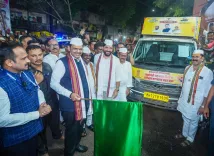
CM Fadnavis Visits Ashadhi Wari Seva Camp in Pune
Synopsis
Chief Minister Devendra Fadnavis visited a state-run pilgrim-service camp in Pune on 11 July 2026, organised by the Chief Minister's Assistance Fund for Ashadhi Wari Warkaris. He inspected facilities, interacted with pilgrims, and praised young volunteers for their selfless service ahead of the Pandharpur pilgrimage's peak.
Key Takeaways
CM Devendra Fadnavis visited the Charanseva camp for Ashadhi Wari pilgrims in Pune on 11 July 2026 .
The initiative was organised by the Chief Minister's Assistance Fund and the Charitable Hospital Aid Cell .
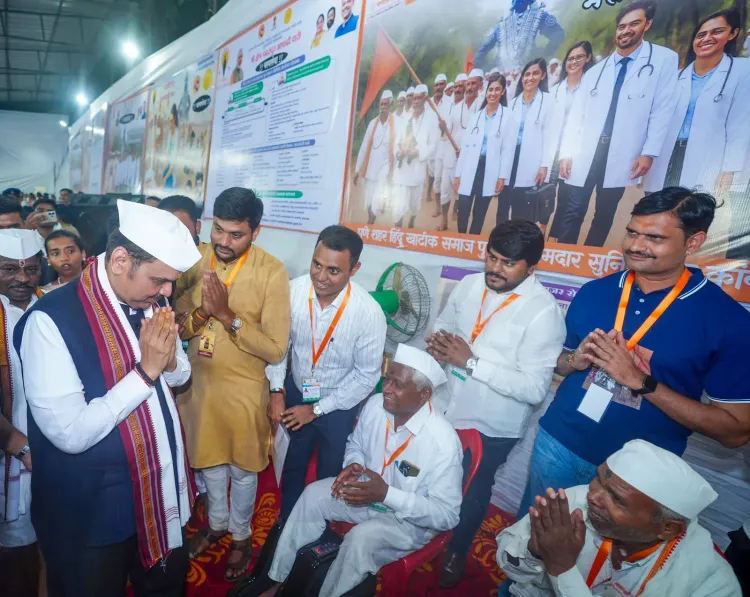
Fadnavis inspected pilgrim facilities and interacted directly with Warkari devotees at the camp.
He described serving Warkaris as 'a great blessing' and highlighted the Warkari tradition's message of equality, service, and devotion .
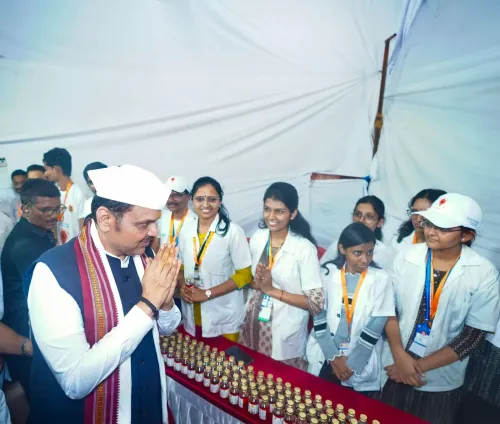
Young volunteers providing selfless service at the camp were specifically commended by the Chief Minister.
The Ashadhi Wari pilgrimage to Pandharpur is one of Maharashtra's largest annual religious gatherings, drawing hundreds of thousands of devotees.
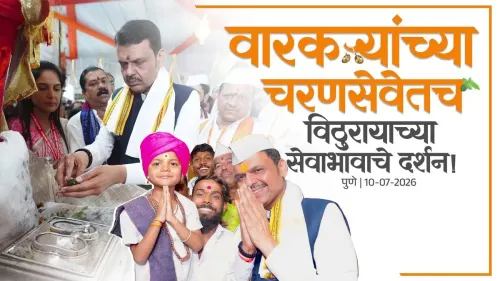
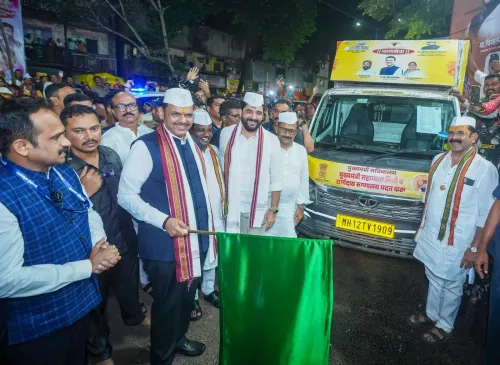
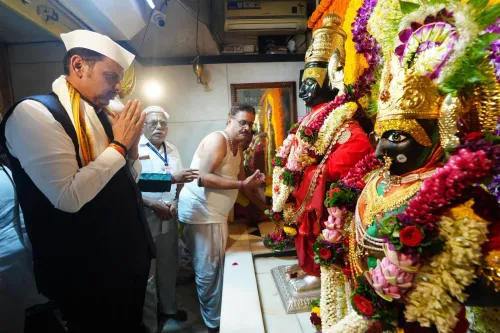
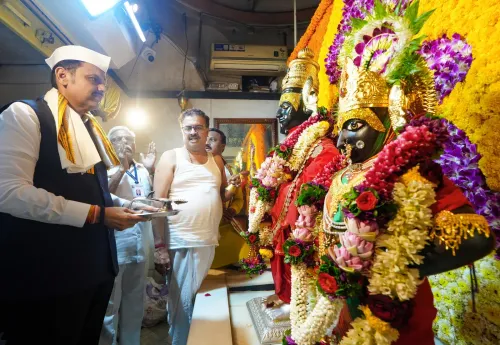
Chief Minister Devendra Fadnavis visited a pilgrim-service initiative in Pune on Saturday, 11 July 2026, organised by the Chief Minister's Assistance Fund and the Charitable Hospital Aid Cell under the banner 'Shrikhetra Pandharpur Ashadhi Wari Warkaryanche Charanseva' — a programme dedicated to the care and comfort of Ashadhi Wari pilgrims.
What Happened
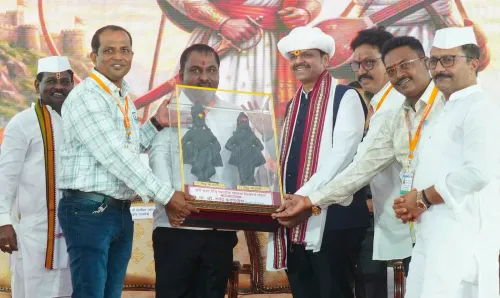
Fadnavis inspected various facilities set up at the camp and interacted directly with Warkari pilgrims who are en route to Pandharpur for the annual Ashadhi Wari pilgrimage. The Chief Minister's Office described the event as an expression of the state government's commitment to the welfare of pilgrims undertaking one of Maharashtra's most sacred journeys.
Addressing those present, Fadnavis reflected on the spiritual philosophy of the Warkari tradition, noting that devotees see the divine — 'Mauli' (the Mother) — in every person they encounter. He said the tradition of bowing at one another's feet carries a profound message of equality, service, and devotion. 'Getting the opportunity to serve the feet of these Warkaris is a great blessing,' he said.
Context
The Ashadhi Wari is a centuries-old pilgrimage to the Vitthal temple in Pandharpur, undertaken every year in the Hindu month of Ashadh (June–July). Hundreds of thousands of Warkaris — followers of the Warkari Sampradaya, a devotional tradition rooted in the teachings of saints Dnyaneshwar and Tukaram — walk hundreds of kilometres to reach Pandharpur.
The Warkari tradition is distinctive for its emphasis on social equality: pilgrims of all castes and backgrounds march together, touch each other's feet, and sing abhangas (devotional hymns). This egalitarian ethos has made the Wari both a religious and a social institution in Maharashtra.
Policy Backdrop
Maharashtra governments across administrations have routinely deployed state resources — medical camps, sanitation facilities, volunteer networks — to support pilgrims during the Ashadhi and Kartiki Wari cycles. The Chief Minister's Assistance Fund is a state welfare mechanism that channels emergency aid and charitable support, and its involvement in pilgrim welfare reflects a long-standing policy of combining administrative resources with cultural and religious support.
The participation of Fadnavis in the charanseva (foot-service) activity — personally engaging with pilgrims rather than merely inaugurating facilities — signals a deliberate alignment between political leadership and the devotional culture of Maharashtra's heartland.
Stakeholders and Impact
The primary beneficiaries are the Warkari pilgrims themselves, who receive medical assistance, rest facilities, and logistical support during their long march. Young volunteers staffing the camp were specifically commended by Fadnavis, who praised their spirit of selfless service. The Chief Minister's Office noted his appreciation for the dedication shown by these volunteers, particularly the youth.
Beyond immediate welfare, such state-organised seva camps reinforce the government's visible presence in Maharashtra's cultural life, channelling youth volunteerism into established devotional practices and strengthening social cohesion across communities.
What's Next
The Ashadhi Wari culminates at Pandharpur on Ashadhi Ekadashi, the eleventh day of the bright fortnight of Ashadh, which draws the largest congregation of pilgrims. State authorities are expected to maintain and scale up support infrastructure as the pilgrimage reaches its peak. Further announcements on pilgrim health arrangements and charitable fund utilisation ahead of the Kartiki Wari later in the year are also anticipated.
Point of View
The administration simultaneously projects an image of civic renewal tied to ancient devotional roots. This positions the ruling dispensation as a steward of Maharashtra's cultural identity at a time when such symbolism carries considerable political weight.
NationPress
11 Jul 2026
Frequently Asked Questions
What is the Ashadhi Wari pilgrimage?
The Ashadhi Wari is an annual pilgrimage to the Vitthal temple in Pandharpur, Maharashtra, undertaken by Warkari devotees in the Hindu month of Ashadh (June–July). It is one of the largest religious gatherings in Maharashtra, with hundreds of thousands of pilgrims walking from across the state to Pandharpur.
Why did CM Devendra Fadnavis visit the Wari seva camp in Pune?
Fadnavis visited the camp to inspect facilities set up for Ashadhi Wari pilgrims and to interact with Warkaris. The camp was organised by the Chief Minister's Assistance Fund and the Charitable Hospital Aid Cell to provide support services to pilgrims during their journey.
What is the Chief Minister's Assistance Fund in Maharashtra?
The Chief Minister's Assistance Fund is a state welfare mechanism in Maharashtra that provides emergency aid, medical assistance, and support for charitable activities. It has been used to support pilgrim welfare during major religious events such as the Ashadhi and Kartiki Wari.
What is the Warkari Sampradaya?
The Warkari Sampradaya is a devotional tradition rooted in Maharashtra, centred on the teachings of saints Dnyaneshwar and Tukaram. It emphasises equality, bhakti (devotion), and selfless service, and its followers — Warkaris — undertake regular pilgrimages to Pandharpur.
What did CM Fadnavis say about serving Warkari pilgrims?
Fadnavis said that getting the opportunity to serve the feet of Warkari pilgrims is 'a great blessing.' He also highlighted that the Warkari tradition's practice of bowing at each other's feet carries a message of equality, service, and devotion.