Nitish Kumar's Bihar exit was planned generational shift, says Dy CM Vijay Kumar Choudhary
Synopsis
Bihar Deputy CM Vijay Kumar Choudhary has broken his silence 25 days after Nitish Kumar's shock resignation, framing it not as a political crisis but a calculated generational handover. The explanation — coming from Shirdi, no less — also defends Nishant Kumar's entry as Health Minister as a party-driven consensus, not family privilege.
Key Takeaways
Vijay Kumar Choudhary clarified on 9 May that Nitish Kumar's resignation on 14 April was a planned generational transition, not a political compulsion.
Samrat Choudhary , a young BJP leader, was elevated to Bihar Chief Minister following Nitish Kumar's exit.
Nishant Kumar's appointment as Health Minister was described as the result of nearly six months of sustained demand from Janata Dal (United) party workers.
Deputy CM Choudhary countered dynastic politics criticism from Tejashwi Yadav by pointing to Lalu Prasad Yadav's own political legacy.
The NDA government under Samrat Choudhary has been declared stable, with Choudhary saying it could remain in power for many years.
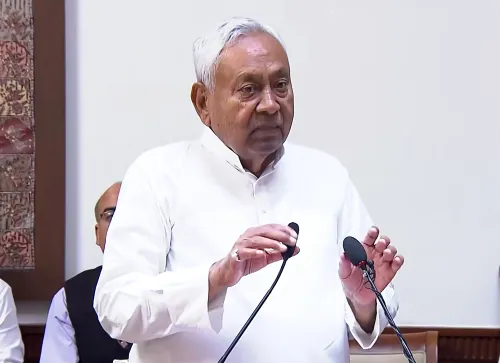
Bihar Deputy Chief Minister Vijay Kumar Choudhary on 9 May publicly explained that former Chief Minister Nitish Kumar's resignation on 14 April was not driven by any immediate political compulsion, but was a deliberate, planned transition designed to elevate the next generation of leadership in the state. The clarification came nearly 25 days after Nitish Kumar stepped down, ending close to two decades of his dominance in Bihar politics.
The Planned Transition Explained
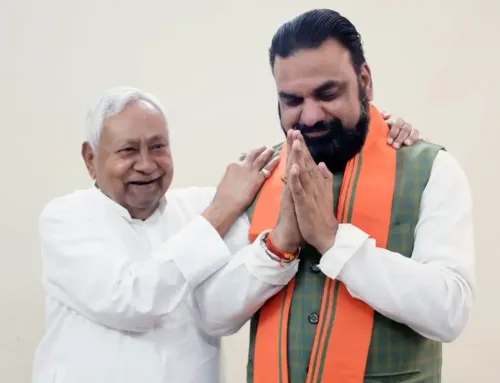
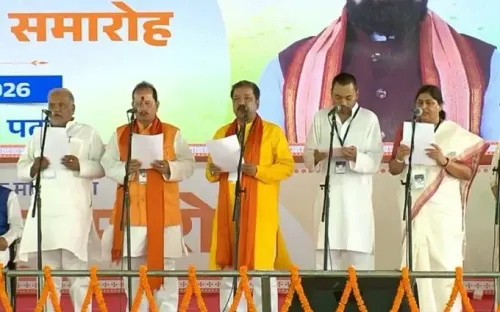
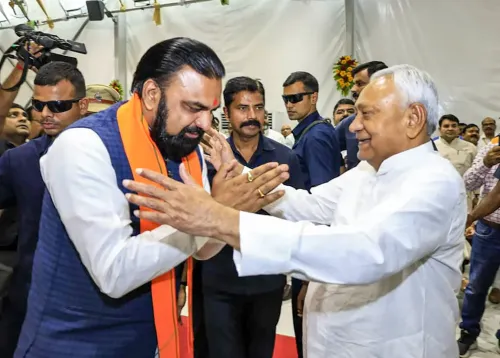
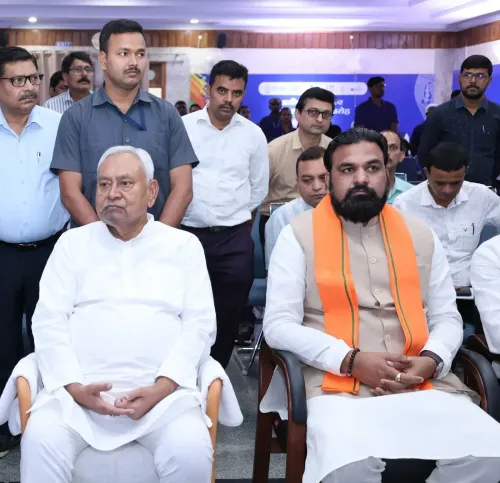
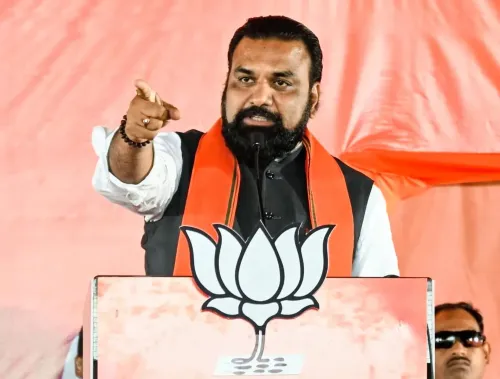
Choudhary stated that Nitish Kumar believed it was time to hand over the reins to a younger leader after his long tenure. He noted that the Bharatiya Janata Party (BJP) had consistently backed Nitish Kumar's leadership over the years, and in recognition of that sustained support, Nitish Kumar decided that a young BJP leader who had stood by him should be elevated to the top post. This decision paved the way for Samrat Choudhary to be sworn in as Bihar's new Chief Minister.
Nishant Kumar's Entry into Politics
Speaking during his visit to Shirdi, where he offered prayers at the shrine of Sai Baba, Vijay Kumar Choudhary also addressed the induction of Nishant Kumar — Nitish Kumar's son — into active politics. He revealed that party leaders within the Janata Dal (United) had been urging both Nitish Kumar and Nishant for nearly six months to allow Nishant to enter the political arena. Choudhary stressed that Nishant's appointment as Health Minister was not a unilateral family decision but the outcome of sustained demand from party workers, grounded in the belief that he would perform effectively in the role.
Countering the Dynastic Politics Charge
Responding to criticism from opposition leader Tejashwi Yadav, who had raised the issue of dynastic politics, Choudhary pointed to Lalu Prasad Yadav's own record of bringing his children into politics. He argued that Nishant Kumar's political entry was driven by organisational consensus rather than personal ambition — a distinction he said the opposition had conveniently ignored. This is not the first time the Bihar political landscape has witnessed such a debate; dynastic succession has long been a contested issue across party lines in the state.
NDA's Stability and Road Ahead
Choudhary further asserted that the National Democratic Alliance (NDA) government in Bihar remains stable and consistent. He said that just as Bihar was governed effectively under Nitish Kumar, the current NDA government led by Samrat Choudhary would continue to work in the public interest. He added that the government could remain in power for many years if it maintains the same governance approach. Notably, this is the first major leadership transition in Bihar's ruling coalition in nearly two decades, and its long-term political impact remains to be seen.
Point of View
Timing is rarely accidental. Framing the exit as a 'planned generational transition' is a politically convenient narrative that sidesteps any suggestion of internal pressure or coalition friction. The defence of Nishant Kumar's ministerial appointment as 'organisational consensus' rather than dynastic privilege is a difficult argument to sustain when the beneficiary is the outgoing chief minister's own son. Tejashwi Yadav's counter-attack on dynastic politics, meanwhile, opens a glass-house debate that neither the NDA nor the Rashtriya Janata Dal can win cleanly. The real test for Samrat Choudhary's government will be governance delivery, not the optics of succession.
NationPress
10 May 2026
Frequently Asked Questions
Why did Nitish Kumar resign as Bihar Chief Minister?
According to Bihar Deputy Chief Minister Vijay Kumar Choudhary, Nitish Kumar resigned on 14 April as part of a planned transition to give the next generation of leadership an opportunity, not due to any immediate political compulsion. Nitish Kumar had served Bihar for nearly two decades before stepping down.
Who became Bihar Chief Minister after Nitish Kumar?
Samrat Choudhary, a young BJP leader, was elevated to the Chief Minister's post following Nitish Kumar's resignation on 14 April. Deputy CM Vijay Kumar Choudhary stated that Nitish Kumar himself chose to back a BJP leader who had stood by him for a long time.
Why was Nishant Kumar appointed as Health Minister?
Vijay Kumar Choudhary said Nishant Kumar's appointment as Health Minister was the result of nearly six months of sustained demand from Janata Dal (United) party workers, not a unilateral family decision. He argued that Nishant was appointed based on belief in his ability to perform effectively in the role.
What did Vijay Kumar Choudhary say about dynastic politics?
Responding to criticism from opposition leader Tejashwi Yadav on dynastic politics, Choudhary pointed to Lalu Prasad Yadav's own record of bringing his children into politics. He argued that Nishant Kumar's entry was driven by organisational consensus rather than personal or family ambition.
Is the Bihar NDA government stable after the leadership change?
Deputy CM Vijay Kumar Choudhary has asserted that the NDA government under Samrat Choudhary remains stable and consistent. He said the government could remain in power for many years if it maintains the same governance approach followed under Nitish Kumar.