CM Dhami: NMCG Approves Rs 115.61 Cr for Haridwar Kumbh 2027

Synopsis
The NMCG Executive Committee has approved Rs 115.61 crore for an integrated sanitation and waste management plan for Haridwar Kumbh 2027. The fully centrally funded project covers 13,915 toilets, waste collection fleets, treatment plants, and a cloud-based monitoring dashboard. CM Dhami welcomed the sanction.
Key Takeaways
Rs 115.61 crore sanctioned by NMCG's 70th Executive Committee for Haridwar Kumbh Mela 2027 sanitation and waste management.
The project is fully funded under the central sector — no state share required.
Infrastructure includes 13,915 toilets , 8,065 urinals , and 2,000 bathing enclosures for pilgrims.
Solid waste management fleet covers 491 collection vehicles , 4,840 dustbins , 15 ghat-cleaning machines , and 2 trash booms .
A Faecal Sludge Treatment Plant , gas-based crematoriums , and transfer station facilities are included for liquid waste and related needs.
A cloud-based dashboard will enable real-time monitoring and management of all sanitation operations during the mela.
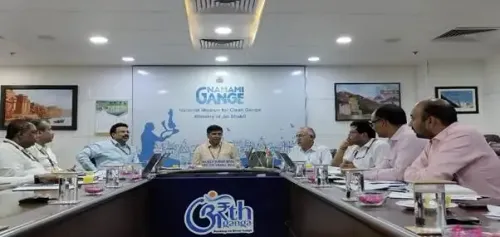
The Chief Minister's Office of Uttarakhand announced on Thursday, 11 June 2026 that the 70th Executive Committee meeting of the National Mission for Clean Ganga (NMCG) has sanctioned Rs 115.61 crore for an integrated sanitation, solid and liquid waste, and public health management plan for Haridwar Kumbh Mela 2027.
Context
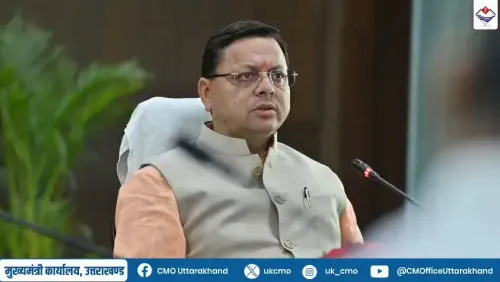
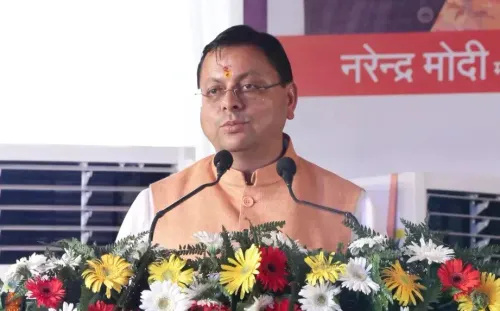
The approved scheme, titled 'Ekikrit Swachhata, Thos evam Taral Apashisht tatha Janswasthya Prabandhan Yojana' (Integrated Sanitation, Solid and Liquid Waste and Public Health Management Plan), is proposed entirely under the central sector, meaning the entire Rs 115.61 crore outlay will be borne by the Union government. Chief Minister Pushkar Singh Dhami welcomed the sanction, stating that the funds would strengthen sanitation, solid waste management, public health infrastructure, and monitoring systems for the 2027 Kumbh Mela at Haridwar. He also expressed gratitude to the Union Minister for Jal Shakti for facilitating the approval.
Policy Backdrop
The National Mission for Clean Ganga is the flagship programme under the Ministry of Jal Shakti, launched to rejuvenate the Ganga through pollution abatement and infrastructure creation. It operates under the broader Namami Gange programme, which was approved by the Cabinet in May 2015 with an initial outlay of Rs 20,000 crore. NMCG has previously routed dedicated sanitation and waste management funds for major Kumbh events, reflecting a pattern of using river conservation missions to meet environmental compliance standards at large religious gatherings.
The Haridwar Kumbh Mela is one of the largest Hindu pilgrimages held every 12 years on the banks of the Ganga, drawing tens of millions of devotees for ritual bathing. Ensuring river cleanliness and public hygiene during the event has been a recurring policy priority for both the central and state governments.
Scope of the Project
The sanctioned funds will be used to install 13,915 toilets, 8,065 urinals, and 2,000 bathing enclosures for pilgrims. For solid waste management, the plan provides for 4,840 dustbins, 31.38 lakh liner bags, 491 waste collection vehicles, 2 trash booms, 15 ghat-cleaning machines, 190 spraying machines and tractors, 55 fogging machines, and 30 grass-cutting machines, along with pesticides, PPE kits, first-aid kits, and road-cleaning consumables.
The project also includes the establishment of transfer station facilities, gas-based crematoriums, and a Faecal Sludge Treatment Plant. A cloud-based monitoring dashboard will be developed to strengthen real-time oversight and management of sanitation operations during the mela.
Stakeholders and Impact
The primary beneficiaries are the crores of pilgrims expected to visit Haridwar during the 2027 Kumbh Mela. Haridwar municipal bodies and state agencies will be responsible for the physical rollout of the infrastructure. The inclusion of a Faecal Sludge Treatment Plant and trash booms directly addresses the risk of Ganga river pollution during peak bathing days, a longstanding environmental concern raised by regulators and civil society.
What's Next
Attention will now shift to the tendering and on-ground deployment of the sanctioned infrastructure, including the 13,915 toilets and treatment plants, well ahead of the 2027 mela. NMCG progress reports on such projects are typically tabled in Parliament, making the execution timeline a matter of public accountability. The success of this centrally funded model at Haridwar could further consolidate the practice of channelling major pilgrimage sanitation needs through river conservation missions.
Point of View
Allowing the Centre to claim both environmental and religious governance dividends. The inclusion of a cloud-based monitoring dashboard and Faecal Sludge Treatment Plant signals a shift toward measurable, technology-backed accountability rather than purely ad hoc event management. For CM Dhami, the announcement is politically significant ahead of the 2027 mela, reinforcing Uttarakhand's positioning as a model for managed religious tourism. The key test will be whether procurement and deployment timelines hold — past Kumbh sanitation projects have faced last-mile execution gaps that tempered their environmental impact.
NationPress
25 Oct 2026
Frequently Asked Questions
How much money has been approved for Haridwar Kumbh Mela 2027 sanitation?
The NMCG Executive Committee has sanctioned Rs 115.61 crore for an integrated sanitation, solid and liquid waste, and public health management plan for Haridwar Kumbh Mela 2027. The project is entirely centrally funded.
How many toilets will be built for Haridwar Kumbh 2027?
The approved plan provides for 13,915 toilets, 8,065 urinals, and 2,000 bathing enclosures to be set up for pilgrims attending Haridwar Kumbh Mela 2027.
What is NMCG and why is it funding the Kumbh Mela?
The National Mission for Clean Ganga (NMCG) is a flagship central programme under the Ministry of Jal Shakti aimed at rejuvenating the Ganga. It funds sanitation and waste management at major events like the Kumbh Mela to prevent river pollution during peak pilgrim activity.
What waste management facilities are planned for Haridwar Kumbh 2027?
The project includes 491 waste collection vehicles, 4,840 dustbins, 31.38 lakh liner bags, 2 trash booms, 15 ghat-cleaning machines, a Faecal Sludge Treatment Plant, gas-based crematoriums, and a cloud-based monitoring dashboard.
What did CM Pushkar Singh Dhami say about the NMCG sanction?
CM Dhami said the approved funds will help strengthen sanitation, solid waste management, public health infrastructure, and monitoring for the 2027 Kumbh Mela at Haridwar. He also thanked the Union Minister for Jal Shakti for facilitating the approval.