No Lalbagh tunnel road, Karnataka to change alignment
Synopsis
Karnataka will not cut a tunnel through Bengaluru's Lalbagh. Krishna Byre Gowda said two alternative alignments are being surveyed; cost may rise, but tolls will not. The climbdown follows months of Save Lalbagh protests over trees, soil and the Peninsular Gneiss.
Key Takeaways
Krishna Byre Gowda said on 25 November 2026 that the tunnel road will not go through Lalbagh Botanical Garden .
Surveys are on for two alternative routes ; a final alignment will follow a pros-and-cons review.
The state decided in mid-November 2026 not to acquire Lalbagh land for the Hebbal–Silk Board project.
Alignment change may raise cost, but there will be no hike in toll charges ; Karnataka's share is about ₹7,000 crore .
Protesters had opposed use of up to six acres of Lalbagh land and ramps near the park. ₹75 lakh per ward has been earmarked for pothole filling, to be completed by December .
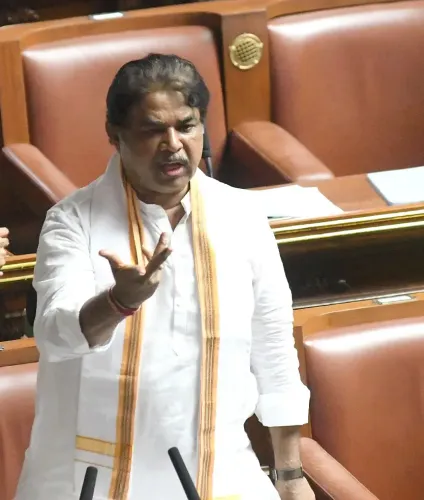
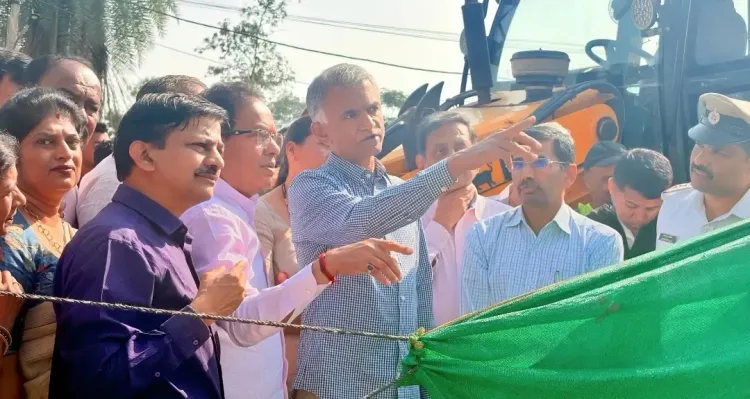
The Karnataka government will not build the proposed tunnel road through Bengaluru's historic Lalbagh Botanical Garden and will change the project's alignment, Minister for Bengaluru Development Krishna Byre Gowda said on Wednesday. Speaking to reporters in Bengaluru on 25 November 2026, he said the government was committed to protecting Lalbagh and would not disturb the garden for the Hebbal–Silk Board tunnel corridor.
Alternative alignments under survey
Gowda said surveys were underway to identify two alternative routes for the tunnel road. A final alignment would be selected after officials examine the pros and cons of the proposed options. This comes after the state decided in mid-November 2026 not to acquire land from Lalbagh, having identified four alternative routes following months of public pressure under the Save Lalbagh campaign.
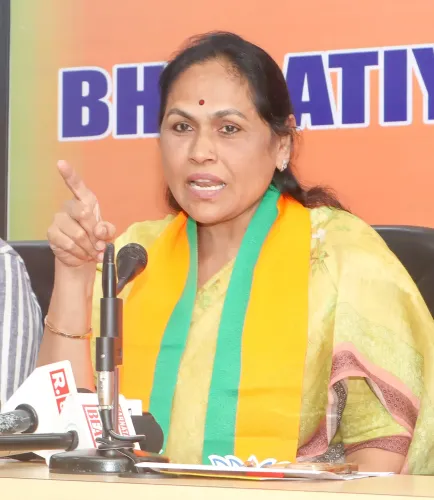
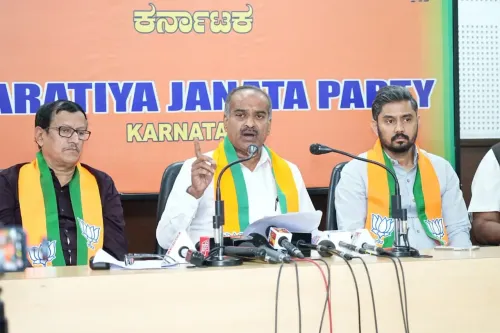
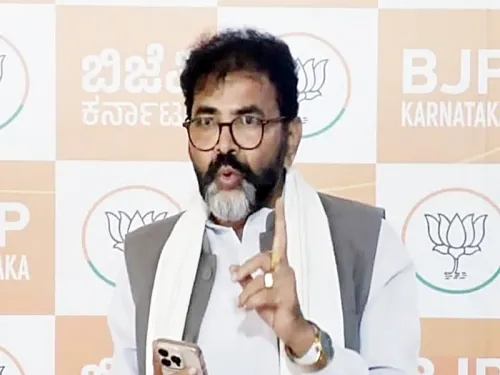
The Congress-led government has been examining alternatives amid concern over the garden's ecology. The Bharatiya Janata Party (BJP) has vehemently opposed the original proposal and written to the government against it. Notably, the Wednesday briefing is the clearest on-record assurance that the historic park itself is off the alignment map.
Cost, tolls and the state's ₹7,000 crore share
The minister clarified that although a change in alignment could increase the overall project cost, there would be no hike in toll charges. The government has asked the Chief Secretary to negotiate with the contractor. The state government would contribute around ₹7,000 crore towards the project, he said.
Officials have not yet placed a revised total cost in the public domain. Realignment typically lengthens tunnelling and can raise geological and land-acquisition risk, which is why the no-toll pledge and the contractor talks will be watched closely by commuters on the north–south corridor.
Save Lalbagh protests and what was at stake
The climbdown follows months of protests under the Save Lalbagh campaign. Protesters opposed plans to use Lalbagh land reportedly up to six acres, along with entry and exit ramps near the park, warning of harm to trees, soil stability and local biodiversity. Activists and residents also raised alarms over potential damage to the ancient Peninsular Gneiss rock formation inside the garden.
Citizens, resident welfare associations and environmentalists led by retired IFS officer A.N. Yellappa Reddy, along with political leaders including BJP MPs Tejasvi Surya, P.C. Mohan and C.N. Manjunath and Union Minister of State Shobha Karandlaje, held rallies and formed human chains at Lalbagh. The contest pitted a flagship mobility project against one of Bengaluru's oldest public gardens.
GBA review, potholes and footpath design
Separately, Gowda held a detailed review with officials from all five Bengaluru city corporations and all divisions of B-SMILE to assess ongoing road works, public grievances and the pace of infrastructure. He said adequate funds had been allocated to the Greater Bengaluru Authority (GBA) to expedite road works across the city.
The minister said ₹75 lakh had been earmarked for filling potholes in every ward and directed officials to complete that work by December. He also pulled up GBA officials over footpaths built at heights of up to two feet above road level, questioning how children, senior citizens and persons with disabilities could use them.
“Have you ever walked on these footpaths? If you construct footpaths two feet above road level, even healthy adults will struggle to use them. You never think about the people who use these footpaths. All you want is to somehow complete the work and raise bills for contractors,” he reportedly told the officials.
A final tunnel alignment is expected after the current surveys are completed and the Chief Secretary's talks with the contractor conclude. How the revised route treats nearby neighbourhoods, lakes and remaining green pockets will decide whether the Lalbagh reprieve becomes a template for other contested corridors in the city.
Point of View
But it does not settle Bengaluru's mobility crisis. Shifting the Hebbal–Silk Board tunnel off a historic garden only relocates environmental and cost risk onto whatever corridor is chosen next. The no-toll assurance while admitting a higher project cost leaves an open fiscal gap — either the state absorbs it from the ₹7,000 crore contribution or the contractor renegotiates scope. Two routes are still being surveyed after four were flagged earlier; without a public map, the Save Lalbagh win can still be undone by the next alignment.
NationPress
25 Nov 2026
Frequently Asked Questions
Will the Bengaluru tunnel road go through Lalbagh?
No. Minister for Bengaluru Development Krishna Byre Gowda said on 25 November 2026 that the Karnataka government will not build the proposed tunnel road through Lalbagh Botanical Garden and will change the alignment. He said the government would not disturb the historic garden for the project.
What alternative routes are being considered for the tunnel?
Surveys are underway to identify two alternative routes, and a final alignment will be selected after examining the pros and cons. This follows a mid-November 2026 decision not to acquire Lalbagh land, when four alternative routes had been identified.
Will toll charges increase if the tunnel alignment changes?
No. Gowda said there would be no hike in toll charges even if the change in alignment raises the overall project cost. The government has asked the Chief Secretary to negotiate with the contractor.
How much will Karnataka contribute to the tunnel road project?
The state government would contribute around ₹7,000 crore towards the project, according to Krishna Byre Gowda. A revised total project cost after realignment has not been made public.
Why did people protest the Lalbagh tunnel plan?
Protesters opposed the use of Lalbagh land reportedly up to six acres and entry and exit ramps near the park, warning of harm to trees, soil stability, biodiversity and the ancient Peninsular Gneiss rock. The Save Lalbagh campaign included rallies and human chains by citizens, environmentalists and BJP leaders.